
Calgary Fun Facts: Devonian Gardens Art Park
From a tourist perspective, Calgary’s Devonian Gardens is a hidden gem. It is literally “hidden” as it’s tucked away on the third floor of a mega shopping centre (The Core, that has no signage on the building) anchored by two office towers. From the street, you can see the huge glass atrium above but there is no signage that would tell a tourist there is a 2.5 acre park inside, with its 500 trees and 50 plant varieties.
Most Calgarians, except for recent newcomers, know about Devonian Gardens. But do they know that it is more than just a winter garden oasis but also a unique art gallery?
For many years I have been meaning to do a blog about the 30+ carvings in the gardens, but for some reason have never gotten around to it.
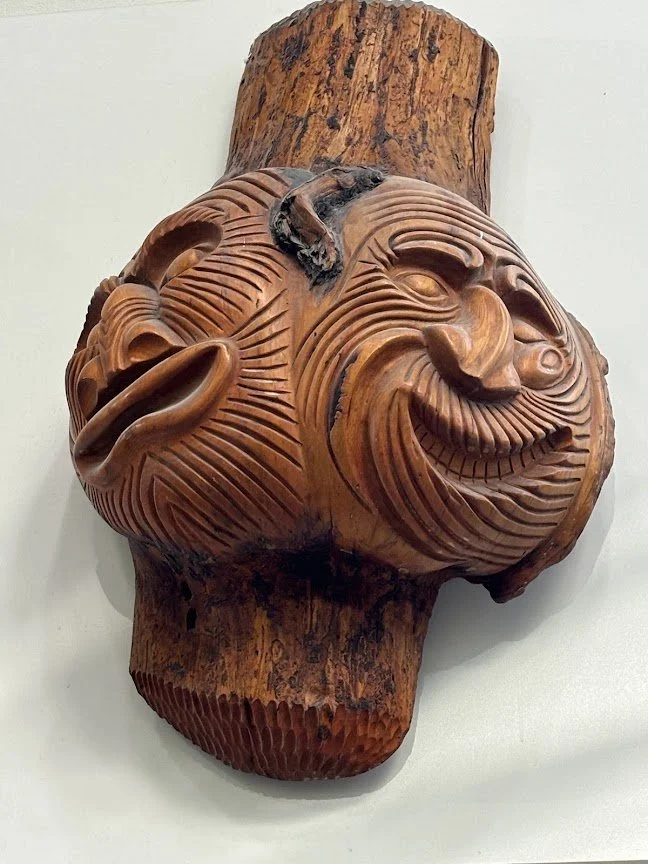
Devonian Gardens is home to 30 carvings by Tom Ward.
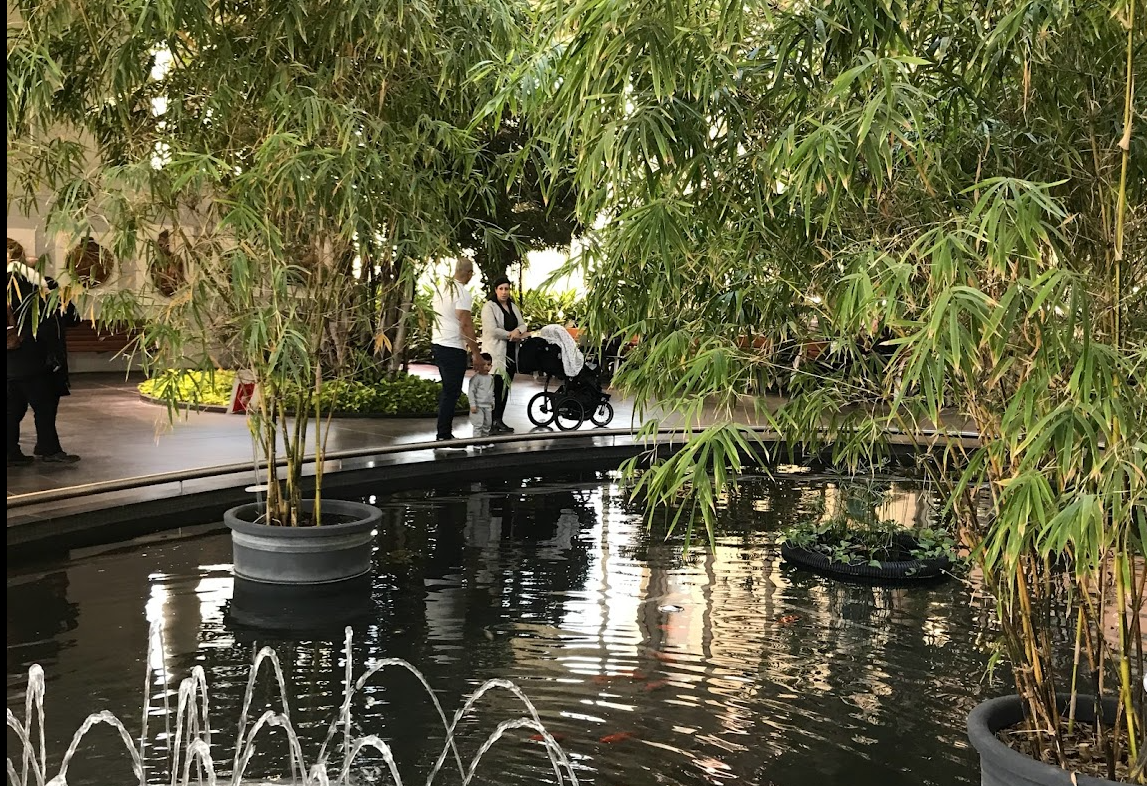
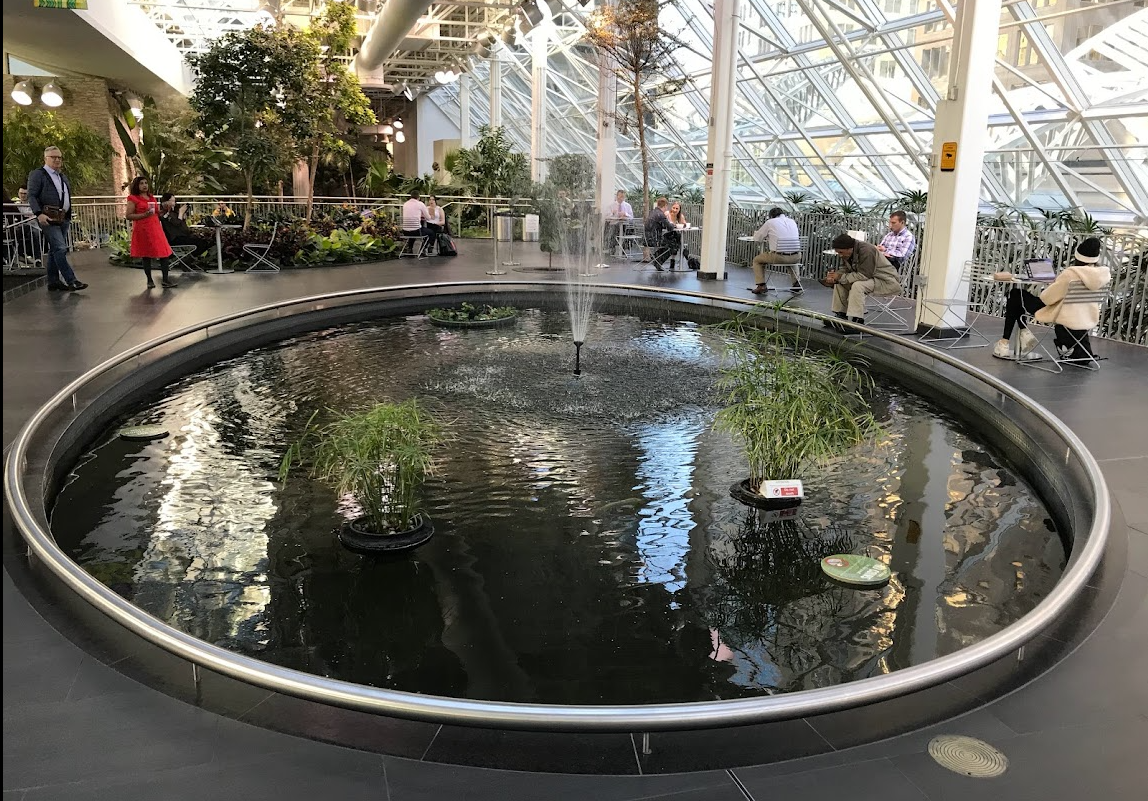
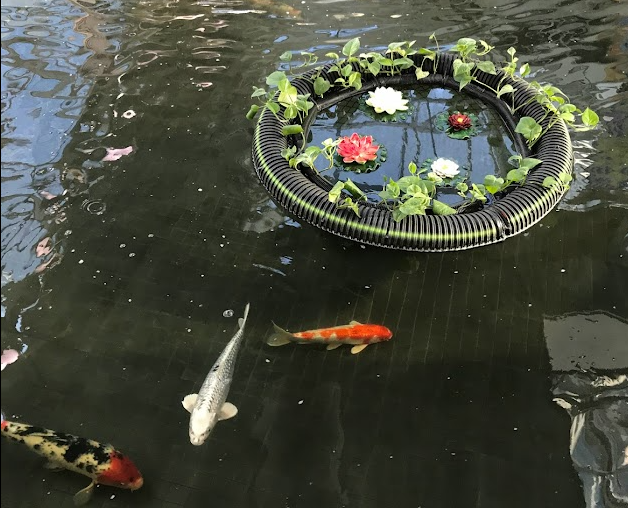
Devonian Gardens is a peaceful oasis in the middle of downtown.
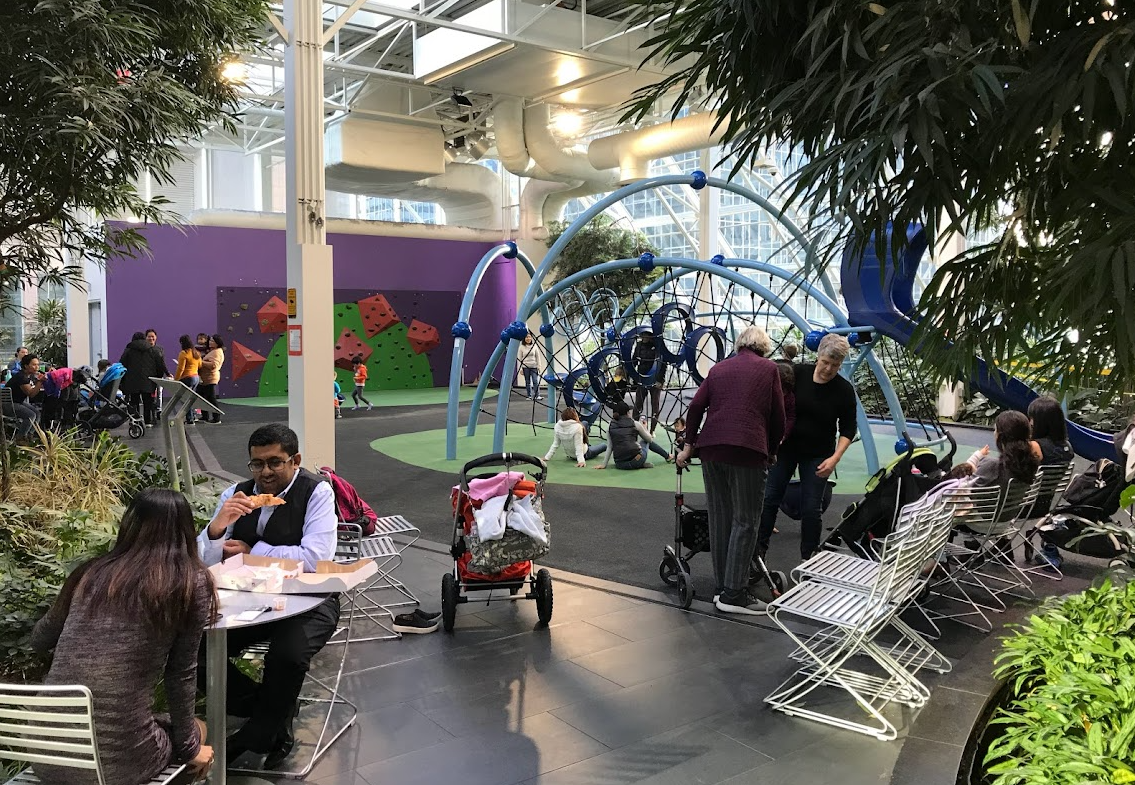
It even has a fun children’s playground.
Why now?
In March 2026, the carvings created by Tom Ward (now deceased) a longtime City of Calgary employee that have been on loan to the city for the past 40 years have recently been donated permanently by Wood’s family for display at Devonian Gardens and part of the Civic Art Collection.
Ward was the classic folk artist; he carved almost every day and created 200+ wood carvings from the late 1960s to 1984 when he passed away. He never sold any, just gave them to family and friends. There was never even a contract when the family loaned the carvings to the City in 1986 - just a handshake.
The family’s donation of Ward’s carvings to the City received significant media attention, which in turn was the catalyst for me to want to share with you how much I personally have enjoyed them over the years.
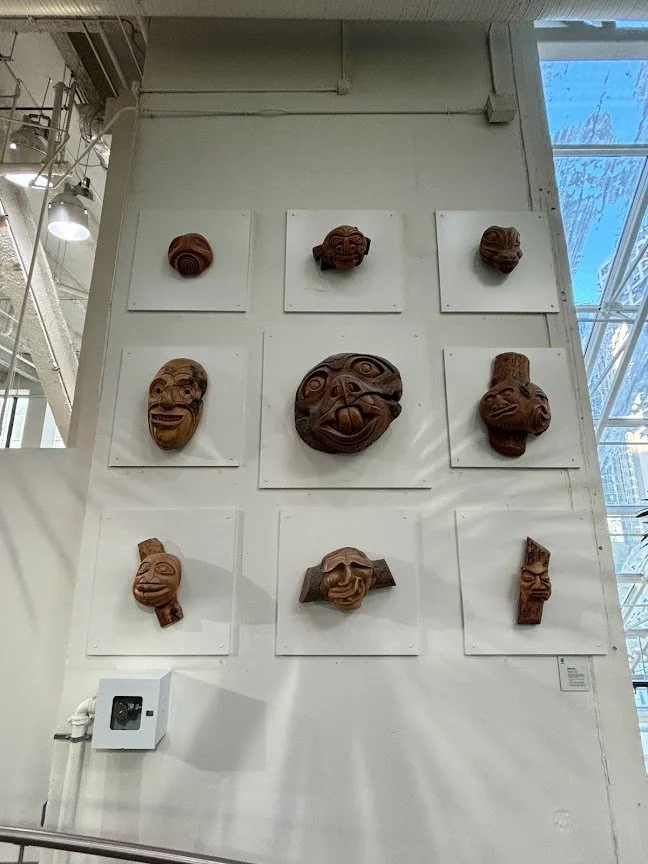
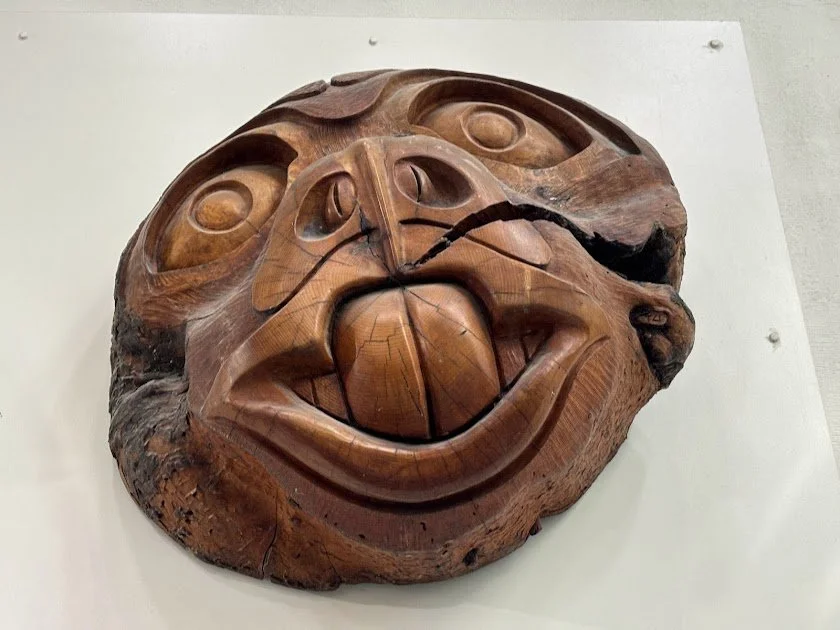
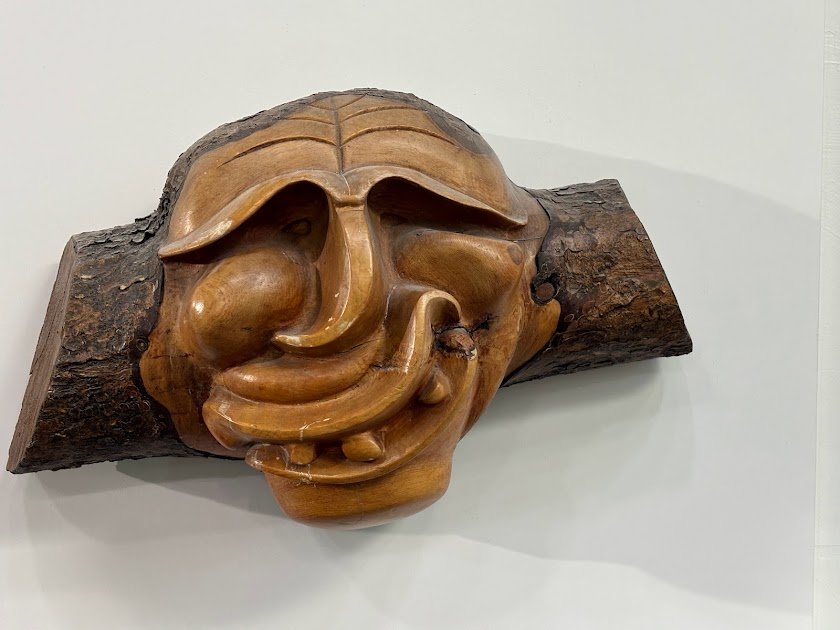
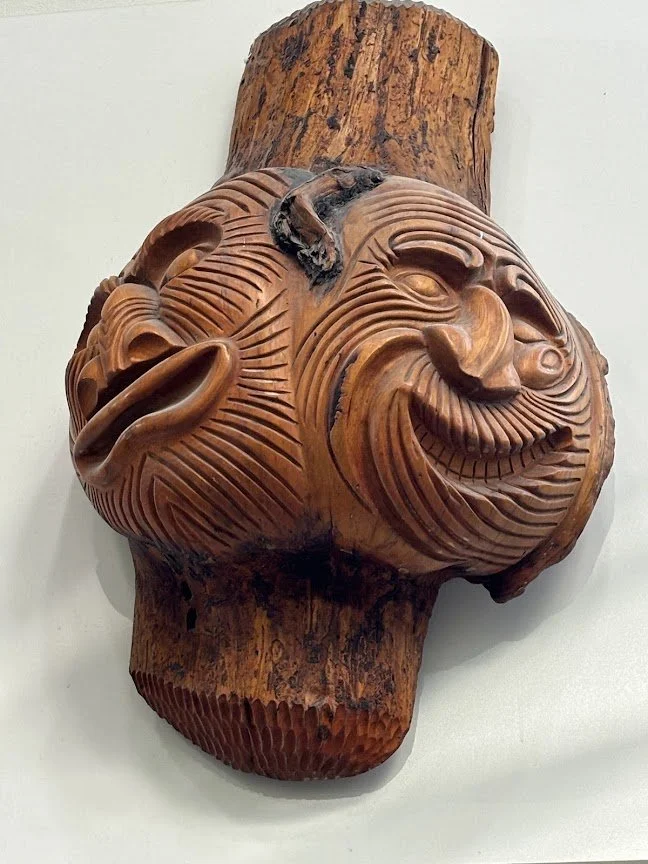
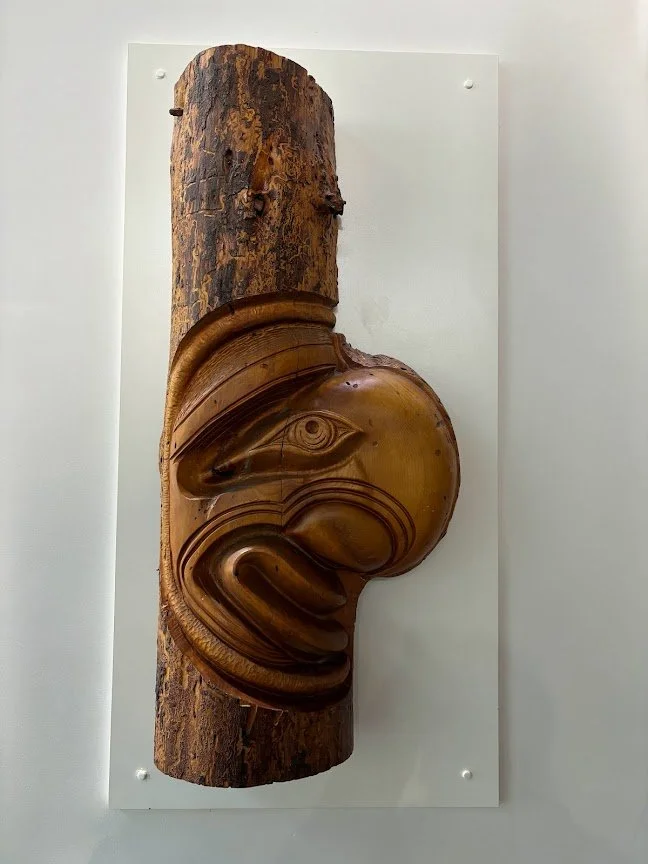
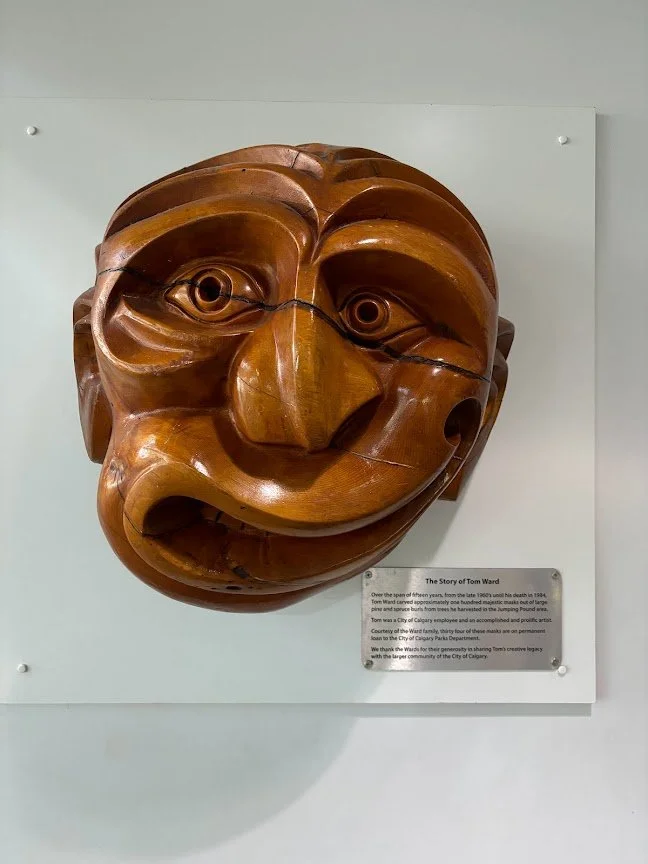
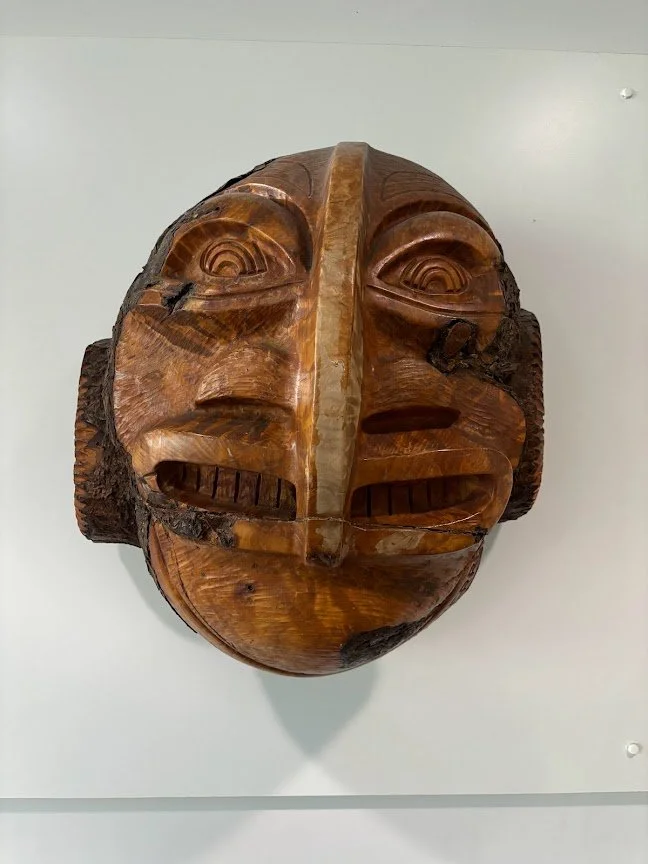
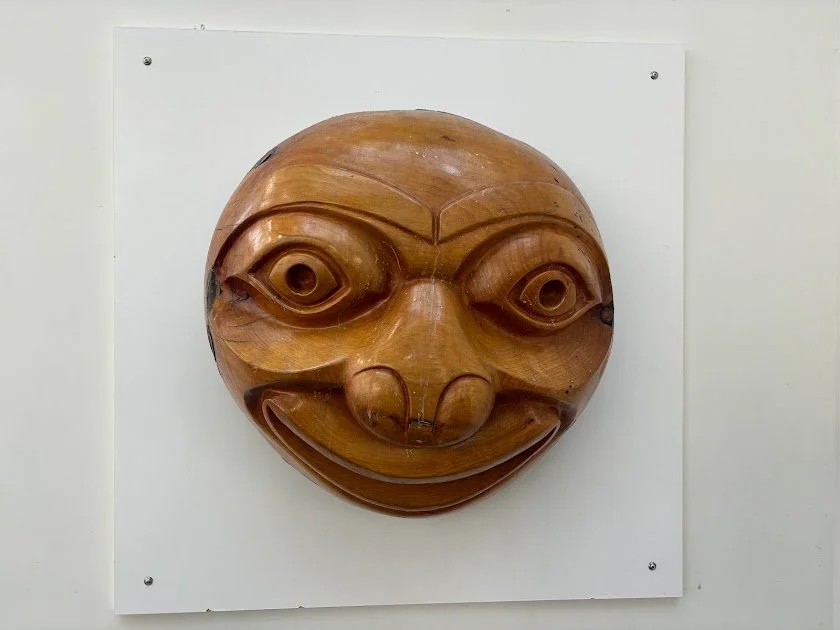
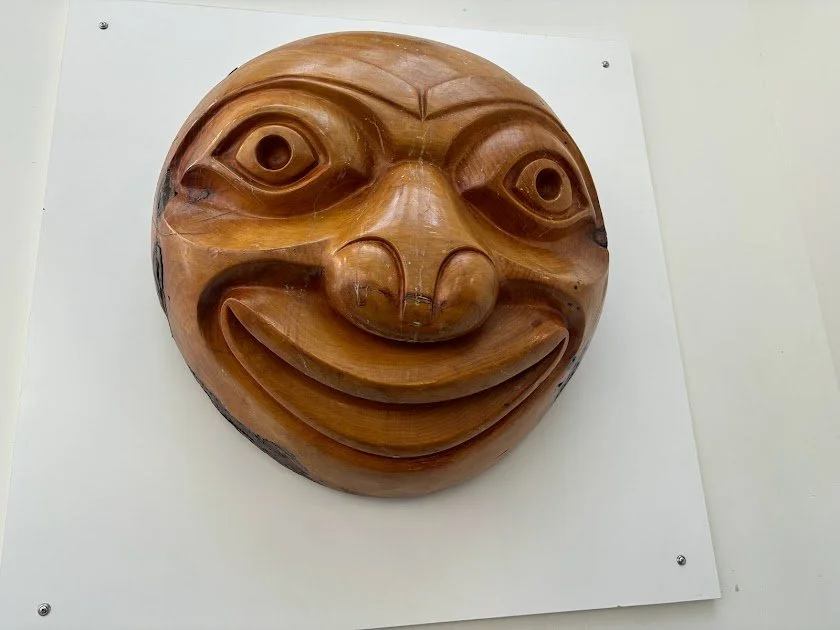
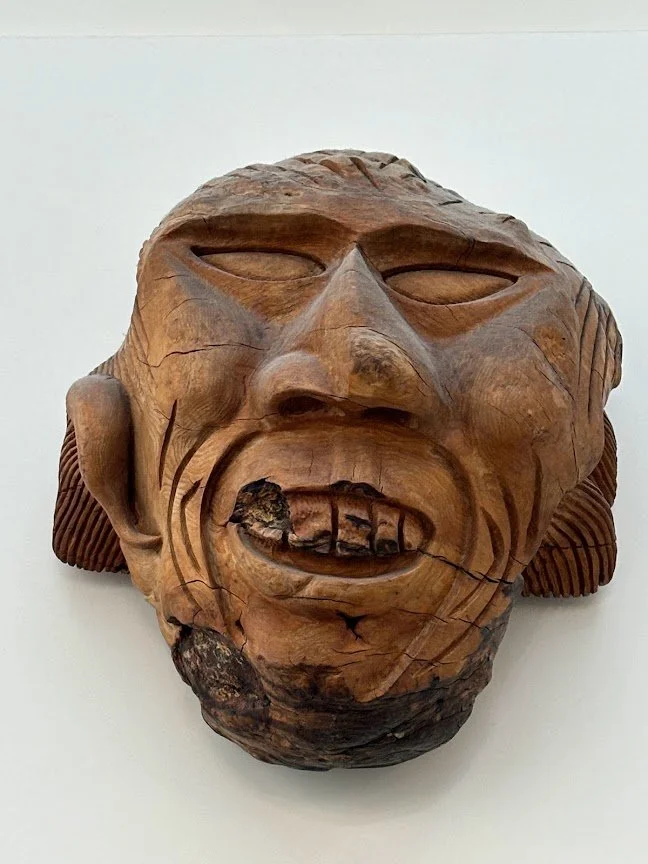
The Carvings
The carvings are displayed throughout the gardens, creating mini exhibitions amongst the vegetation. Ward’s carvings were obviously influenced by West Coast indigenous masks with their protruding noses, lips and eyes but while they may look like masks, they are hanging sculptures.
Ward mainly used pine and spruce burls he harvested from the Jumping Pound area west of Calgary. Burl wood has aswirling wood grain pattern found in rounded, knotted growths on trees, caused by stress, injury, or fungus. It is a difficult wood to work with using hand tools because the grain runs in multiple directions, requiring sharp tools and careful, slow cutting. But artists love burl wood as they can use each piece’s unique characteristics as inspiration for the art they want to create. In many ways it is a collaboration between the artist and nature.
There is a lovely synergy between the wood carvings and the vegetation in the garden that existed when the garden was first a dense tropical garden from when it opened in 1977 to 2008 when renovations began. And continued when Devonian Gardens was transformed into a series of formal gardens in 2012.
Ice Rink
Many Calgarians are surprised when I tell them that there was a small ice rink in Devonian Gardens when it first opened. It was located on the east side, next to the Lancaster Building. However, it didn’t last long due to structural issues, and it was too small to skate on. It became a pond for a while and was removed completely in the 2008 renovations. I inquired with the City’s Park department for more details on the ice rink and unfortunately, they had nothing on file and suggested I check with the City archives. I decided that can wait for another time.
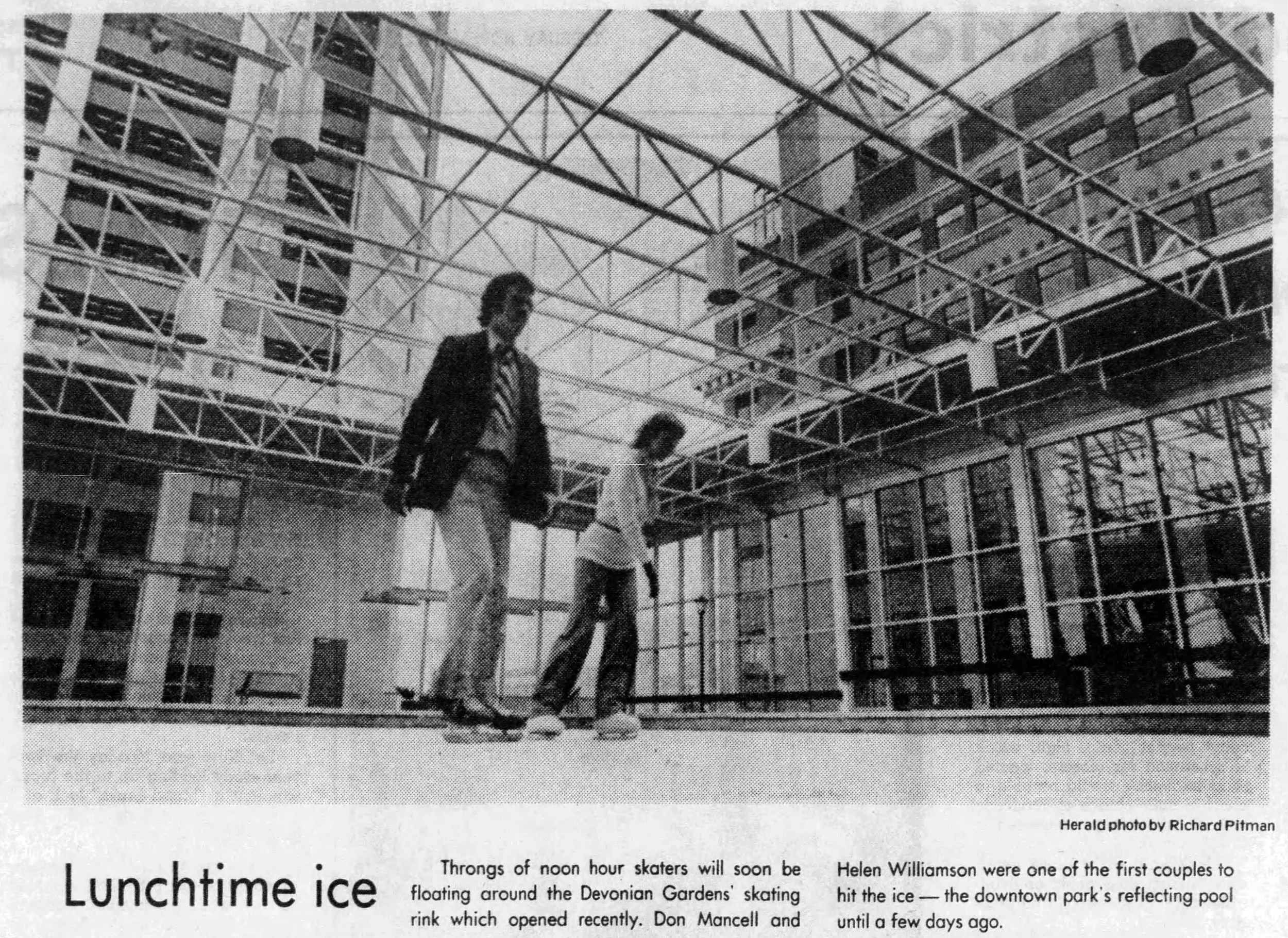
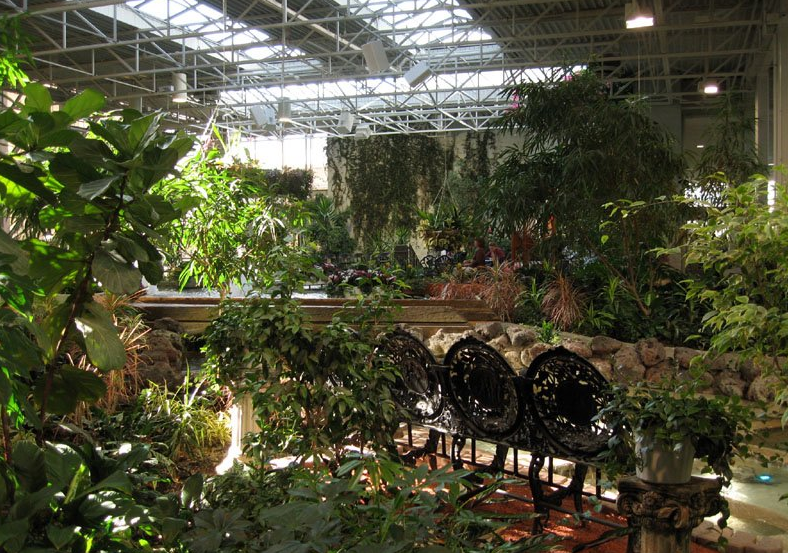
Here is an old photo of Devonian Garden’s original design as a tropical garden.
Fun Story
Back in 2015, I came back from Mexico City and was wandering Devonian Gardens when I happened upon a purple sculpture that reminded me of a massive yellow sculpture in the middle of a roundabout in Mexico City.
Back story: “El Caballito” is the title of a massive yellow steel sculpture by Mexican artist Sebastián (Enrique Carbajal) located on Paseo de la Reforma in Mexico City. Dedicated in 1992, this iconic, bright yellow, geometric "Horsehead" sculpture serves as a major, modern landmark, replacing a historic bronze statue of Carlos IV, which was removed in 1979. The piece had to act as a chimney that would dissipate the vapors from deep drainage below but wouldn't adversely affect the image of the Paseo de la Reforma.
Turns out the Devonian Gardens’ sculpture is also by Sebastián. It was part of a traveling exhibition of his work to three North American cities including Calgary and is one of only a few of his work with a purple finish. Look for it next time you are there.
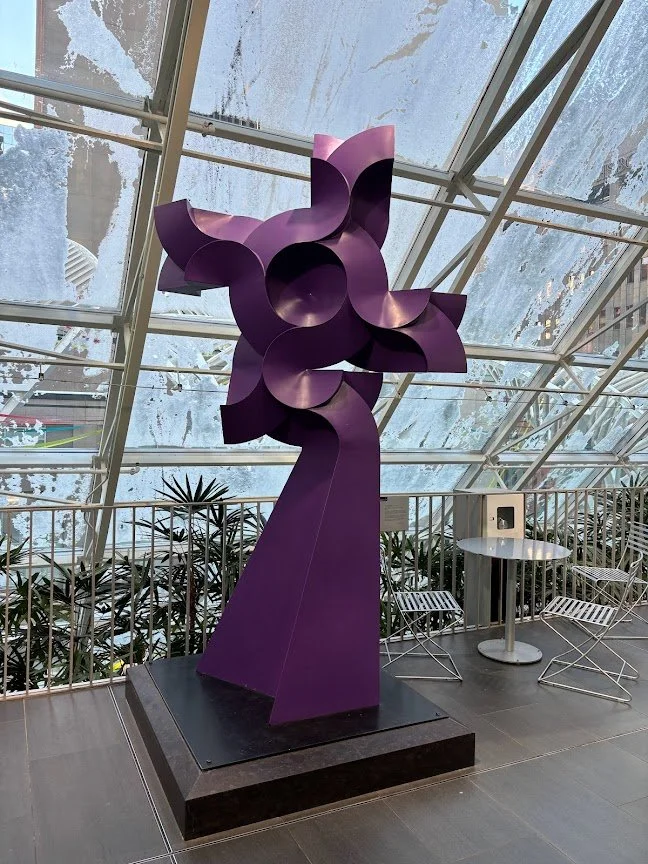
Roseta by Sebastian is just one of the many artworks in Devonian Gardens.
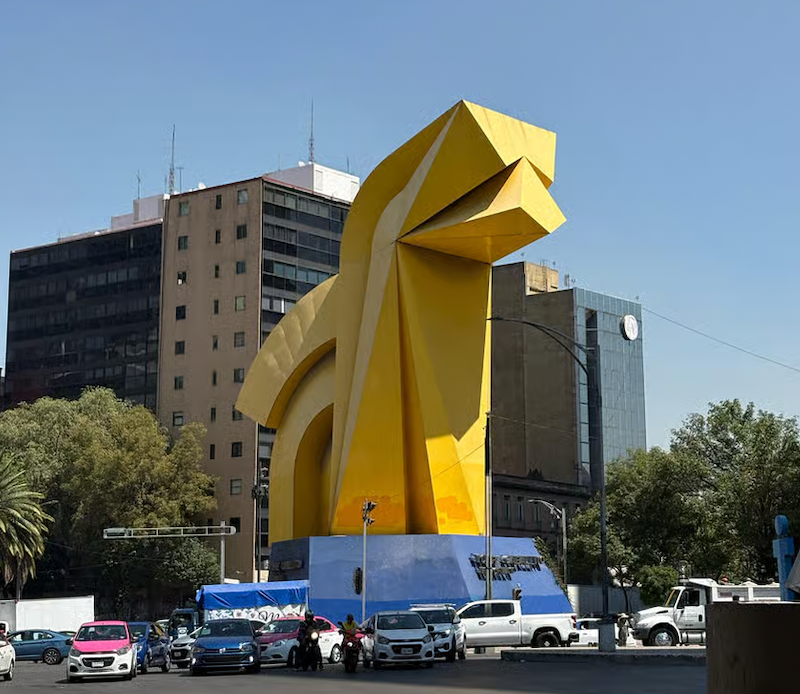
“El Caballito” is the title of a massive yellow steel sculpture by Mexican artist Sebastián (Enrique Carbajal) located on Paseo de la Reforma in Mexico City.
Devonian Name
The name "Devonian Gardens" references the donors - the Devonian Group of Charitable Foundations and Calford Properties – who funded the indoor botanical park's creation in 1977. It does not directly reference the Devonian geological period but rather honors the philanthropy of the foundation which was created by the family of oilman Eric Harvie.
That said, there is a good chance Harvie named his charity after the Devonian geology period (approx. 419–359 million years ago) which are the foundational source rocks and reservoirs for a massive portion of Alberta’s oil and gas, particularly within the Western Canadian Sedimentary Basin (WCSB), where he made his fortune.
Last Word
Downtown Calgary is like a mega public art gallery with literally hundreds of artworks in the lobbies and on the plazas of office buildings, as well as along the streets and in public spaces. In addition, there are hundreds of murals, making downtown a huge art park, of which Devonian Gardens is just one component.
