
Atlantic City Beyond Casinos: A Boardwalk Guide
Say "Atlantic City" and most people picture slot machines. Fair enough — the resorts built the town's reputation. But spend a day here on foot and a different city appears: a four-mile oceanfront Boardwalk, salt air, murals tucked into side streets, a 19th-century lighthouse and food that predates every gaming licence in New Jersey. This guide sketches a compact walking day where the casinos serve as landmarks on the skyline, not the destination.
How Atlantic City Is Laid Out
First, the question many visitors ask before booking: does Atlantic City still have casinos? Yes — and if you're wondering how many casinos are in Atlantic City, the last widely reported total was nine, according to state figures covered by the Associated Press. The city splits them into two zones:
The Boardwalk district — the classic oceanfront strip, where most resort towers line the beach and everything sits within walking distance.
The Marina district — a separate cluster across town by the bay, reachable by a short drive or bus rather than a stroll.
Properties open and close over the years, so the official destination directory is the place to confirm what's operating when you visit. For this route, treat the big towers simply as navigation aids — you never need to step onto a gaming floor. One budgeting note for Canadian readers: a separate explainer on the most popular payment method at online casinos among Canadians covers Interac deposits and withdrawals, but any gambling spend should remain outside the essential budget for transport, food and accommodation.
Walk the Boardwalk Before the Crowds
Go early. Before ten in the morning the Boardwalk belongs to joggers, gulls and anyone with a coffee, and the light on the ocean is at its best.
A few stops worth slowing down for:
The beach itself — the official visitor guide notes it's free to access, which is rarer on this coast than you'd think.
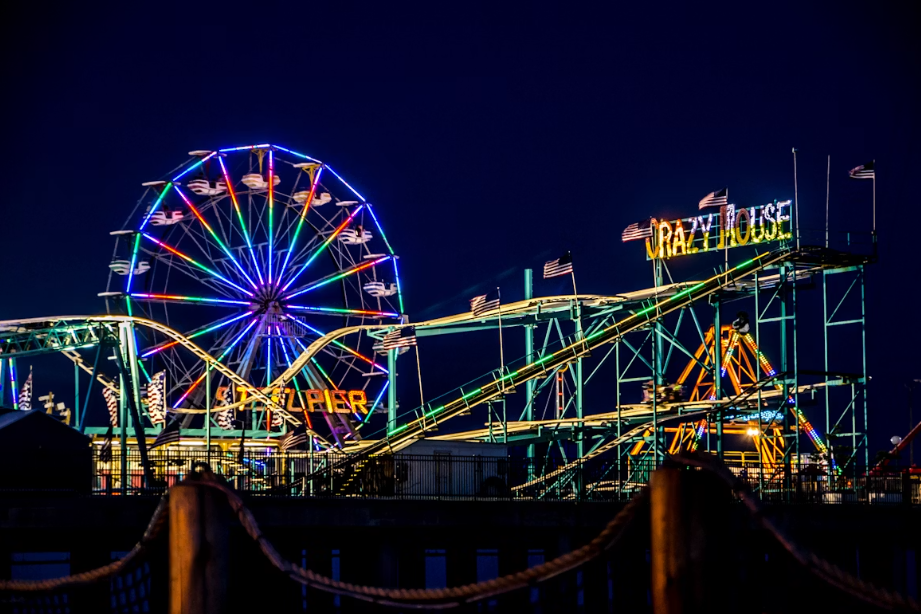
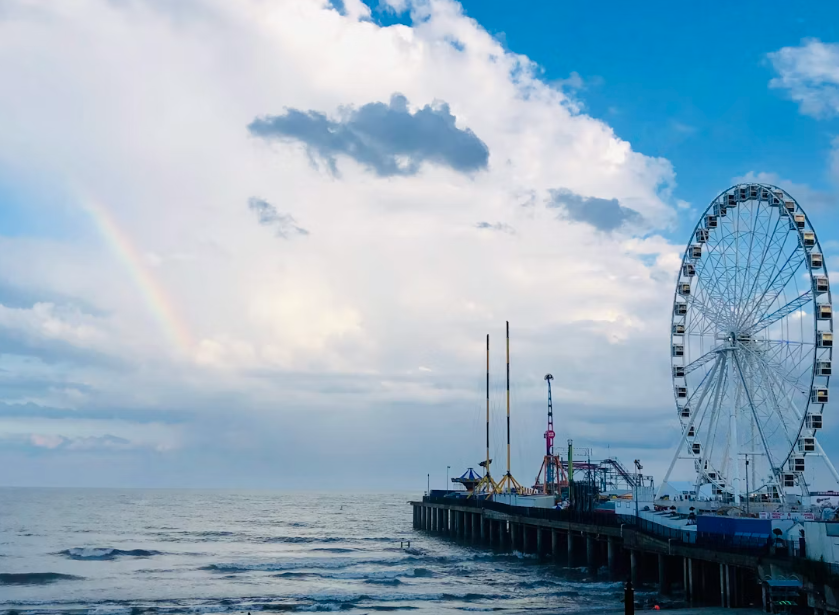
Steel Pier — an amusement pier jutting over the Atlantic, photogenic even when the rides are quiet.
Boardwalk Hall's exterior — a 1920s civic monument whose limestone façade tells you what this town's ambitions once looked like.
The real pleasure, though, is the contrast: century-old entertainment architecture standing shoulder to shoulder with glass resort towers. Read the Boardwalk as an open-air architecture exhibit and it doubles in value.
Rainy day? Duck into the Atlantic City Experience exhibit or one of the indoor arcades along the boards — check current hours before you count on either.
Follow the Mural Map Beyond the Resorts
Two blocks inland, the city changes character completely. Atlantic City has quietly become a serious public-art town: the Atlantic City Arts Foundation'smural map documents 105 murals supported since 2017, spread across working neighbourhoods rather than tourist corridors.
Don't attempt the whole map. Pick five or six works clustered near the Boardwalk, plan the loop in daylight and give yourself permission to wander between them. Look for artist signatures, the buildings the murals inhabit, the corner stores and porches around them — that's where the city's actual texture lives, and it's exactly the kind of detail a camera loves.

Add Absecon Lighthouse to the Route
At the north end of the island stands Absecon Lighthouse, a striped 19th-century tower that predates every casino by more than a century. It's an established visitor attraction, and it earns its place on the route for two reasons: maritime history you won't get anywhere else in town, and a completely different angle on the city's shape. Check current opening hours and access on the listing page before you go, and slot it in as either the start or the finish of a North Beach walk.
Pause for Food and Local Character
Boardwalk snacks are part of the ritual — salt water taffy, pizza by the slice — but anchor the day with one proper meal. Two approaches work:
Economical: a sub or seafood sandwich from a long-running local spot, eaten on the boards.
Sit-down: one of the old-school dining rooms in the surrounding blocks, where the décor has outlasted several resort rebrandings.
Whichever you choose, check opening days and whether you need a reservation. The best tables here tend to be the ones that have simply been there the longest.
Get Around Without Building the Day Around Parking
Park once and forget the car. The central Boardwalk area is genuinely walkable, and for longer hops the Jitney minibuses run along Pacific Avenue, with seasonal trams on the Boardwalk itself — schedules and fares are listed in the official visitor guide, so verify before relying on them. The Marina district is the one exception: it sits apart from the oceanfront and usually needs a ride.
A Simple 24-Hour Atlantic City Itinerary
Morning. Beach and Boardwalk before the crowds, coffee in hand, architecture and piers at your own pace.
Afternoon. A short mural loop inland, then Absecon Lighthouse if hours allow, with lunch somewhere along the way.
Evening. Back to the boards for sunset, then dinner, a show or a rooftop view. If the weather turns, swap any outdoor stop for an indoor exhibit and keep moving.
Four major stops is plenty. Leave room to linger.
Final Takeaway
Atlantic City still has its casinos, and they're impossible to miss on the skyline. But the city rewards the traveller who walks past them: toward the free beach, the murals, the lighthouse and the dining rooms that were serving long before the first chips hit the felt. Go slowly, look sideways, and the Boardwalk becomes just the first layer.
