
Dubai for the Urban Explorer: What the City Actually Looks Like on the Ground
I have been flaneuring cities for over 40 years. Walking slow. Looking at buildings. Sitting in public spaces. Watching how people use a city.
Dubai was different from any city I had walked before. Because Dubai is not really built for walking. And that changes everything about how you experience it
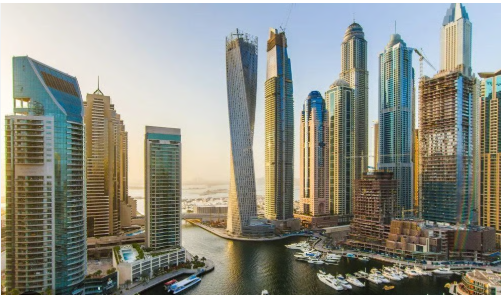
The Scale Is the First Shock
From the air, Dubai looks like a collection of towers dropped into a desert. That is basically accurate.
The distances between interesting places are huge. Downtown Dubai to Al Fahidi Historic District is about 4 kilometers. That sounds fine. But it is 45 degrees outside. The sidewalks disappear in some sections. Pedestrian crossings are rare.
Calgary has good walkability in its core. Stephen Avenue is designed for people. Dubai is not. Dubai is designed for cars.
Once you accept that, the city makes sense.
The Road System Is Impressive
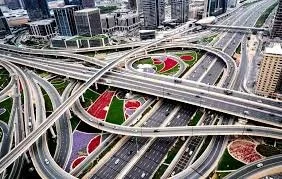
Sheikh Zayed Road is the spine of modern Dubai. Eight to twelve lanes wide. Towers lining both sides for kilometers. It is one of the most dramatic urban road corridors I have ever seen.
From an urban planning perspective, it is interesting. The road is fast and efficient. But it cuts neighborhoods off from each other. You cannot just cross it casually. You need an underpass or an overpass. The Dubai Metro runs alongside it. The metro is excellent. Clean, frequent, air conditioned. It connects the major hubs well.
But the metro does not reach the older parts of the city. It does not reach the creative districts. It does not reach the areas worth exploring if you are serious about understanding Dubai. That is where a car becomes essential. I looked into options and found that you can rent without deposit a vehicle from Trinity Rental.
I realized that you can rent Audi RS6 Dubai style performance vehicles that match the driving culture of the city itself. On Sheikh Zayed Road, driving something slow feels wrong. The road demands a car that can keep up.
To truly experience these roads, you need a service that understands the city. Trinity Rental offers a fleet of over 80 automobiles with minimal mileage, including the latest 2024 models. Here is why they stand out:
● Rent without deposit: No security deposit is required for your rental period.
● All-Inclusive Price: Your rental includes an increased daily limit of 300 km, full insurance, toll roads, and VAT.
● Flexible Payments: You can pay using cash, Visa, Mastercard, or even cryptocurrency.
● Total Convenience: They offer car delivery to any location, whether it is the airport, your office, or a hotel. A driver is also available if you prefer not to get behind the wheel yourself.
● Premium Service: Every client receives a full tank of fuel as a gift, and a dedicated manager is ready to answer your questions at any moment.
You get the freedom to explore every corner of Dubai without the typical rental stress. Whether you are cruising the main highway or finding hidden spots in the old city, having a new, high-performance car makes all the difference.
Al Fahidi: The Neighborhood That Survives
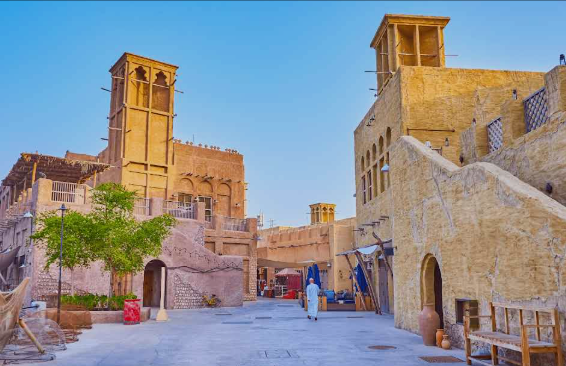
Al Fahidi Historic District is remarkable. It is small. Maybe six or seven city blocks. But it is the only part of Dubai that looks like it did 100 years ago.
Wind towers rise above the low buildings. These towers funneled cool air into rooms before air conditioning existed. They are simple and elegant. They work.
The narrow lanes between buildings create shade. That is good urban design. Old Dubai understood that shade was everything. Modern Dubai replaced shade with air conditioning.
The XVA Art Hotel is tucked into the district. A small courtyard, local art on the walls, quiet. It is the kind of urban accommodation that city lovers want. It sits right in the middle of one of the most interesting historic urban blocks in the Arab world.
The Dubai Museum is in a fort on the edge of the district. It costs almost nothing to enter. The collections show pre-oil Dubai. The fishing economy. The pearl diving industry. It is a good reminder of what this place was 70 years ago.
Alserkal Avenue: The Creative District
Dubai has a real arts district. Most people do not know this.
Alserkal Avenue is in Al Quoz. That is an industrial area. Old warehouses converted into galleries, studios, cinema, independent cafes, and performance spaces.
It reminds me of what cities like Calgary have been building toward with their own arts and culture districts. The bones are different here. These are real warehouses in a real industrial zone. But the energy is similar.
Carbon 12, Lawrie Shabibi, Leila Heller Gallery. Serious international contemporary art in a place most tourists never reach.
Getting there without a car is awkward. It is outside the metro zone. Taxis work but cost more for multiple gallery visits.
Public Space in Dubai
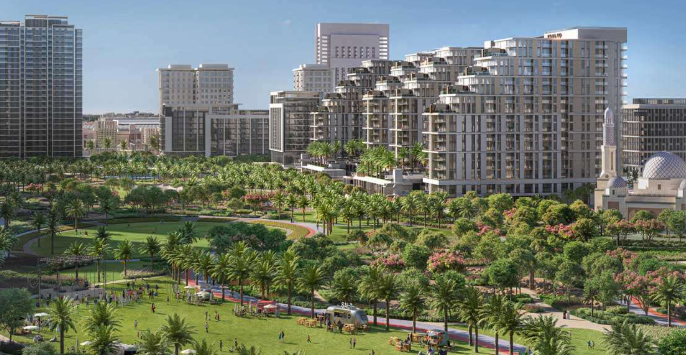
Dubai has been adding public space. The Dubai Water Canal development has a long pedestrian promenade. The Bluewaters Island area has outdoor space designed for walking. The Al Quoz Pond Park is a new green space that gets busy on cooler evenings.
But compared to cities like Calgary, which has one of the best urban pathway systems in North America, Dubai is still catching up on walkable public life.
The canal promenade is genuinely pleasant between October and April. In summer it is empty. The heat forces everyone indoors or into cars.
A city that cannot be used outdoors for five months of the year faces a real urban planning challenge. How do you build community around public space when the outdoor space is unusable half the year?
What Urban Travelers Should Focus On
Spend a morning in Al Fahidi. Walk every lane. Sit somewhere for tea. Look at how the old buildings handle heat without electricity.
Spend an afternoon in Alserkal Avenue. Go on a Thursday when galleries are open and active.
Drive Sheikh Zayed Road once just to feel the scale. It is unlike any road in North America.
Eat in Deira and Bur Dubai. That is where the city's real daily life happens. The food is good. The streets are busy. The pace is different from the tower districts.
If you are comparing urban experiences, I recently wrote about 25 beautiful places in Calgary and what makes its urban design stand out. The contrast with Dubai is worth thinking about:
For more on what good urban design looks like in a very different city, this piece on Calgary's best places is worth reading: Calgary: 25 Beautiful Places To Visit.
Dubai Is Worth Studying
I would not call Dubai a great walking city. Not yet.
But it is a genuinely interesting city to study. It built itself from desert to global hub in 40 years. The choices made along the way are visible in every block. The prioritization of the car. The indoor malls as social spaces. The towers as status. The historic district as an afterthought that survived.
Every city tells a story through its streets. Dubai's story is unlike any other.
