
Hidden Japan: Architectural Gems and Cultural Escapes
The Golden Route offers all the things it claims and shares the courtyards of the temples with tour buses, along with whatever else. What lies beyond that line is another Japan. Fishing towns that are transformed into art islands, hillside-held temple towns where cats line the alleys, alpine villages where sake breweries still draw on mountain water, and areas of Tokyo that local residents inhabit rather than front for tourists to snap photos of. It’s better to sort out connectivity for their Japan trip; many travelers travel from one region to another and do a SIM swap at every stop, so they're better off using an eSIM for Japan; maps, train times, and reservations will work the moment they land.
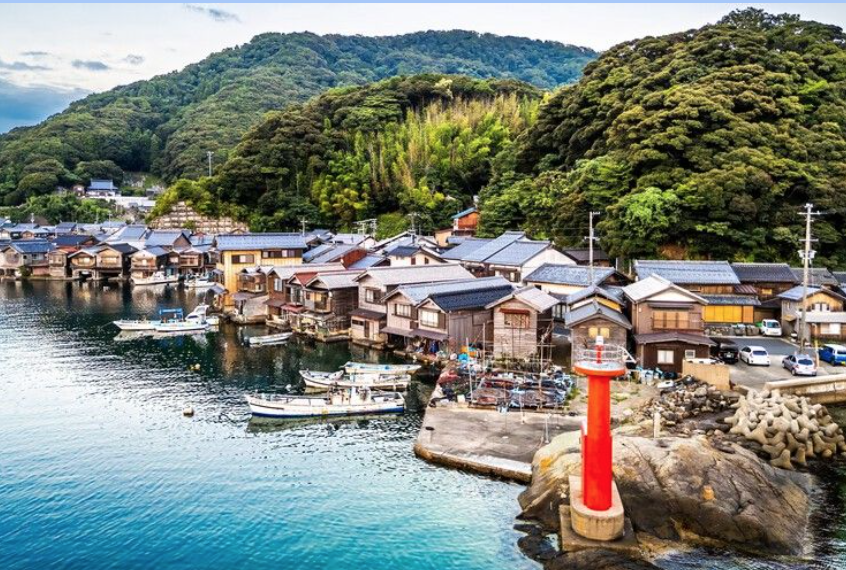
Modern Art and Coastal Architecture: the Seto Inland Sea Islands
An hour or so away from the Inland Sea islands, Onomichi sits on the edge of a steep hillside overlooking a narrow shipping channel, and was once a pirate haven, now a choice point for cyclists crossing the Shimanami Kaido, a cycle path stretching 70km between the Seto Inland Sea islands. It’s the character of the town. The narrow lanes, the rugged wooden houses, and the general atmosphere of a more distant era in Japan.
The Temple Walk links 25 temples and shrines together through the hillside, and begins from the white bridge, just north of the Hondori Shopping Arcade. The most popular spot to visit is Senko-ji, which lies on the top of Mount Daiho and can be reached by ropeway.
The temple is of ancient origin, built in 806. Midway in, be sure to stop at Cat Alley, a narrow street in front of Tenneiji Temple with countless real cats and handcrafted stone cat statues, known as “fukuishi neko” or “lucky stone cats”, which are believed to bring good luck. Onomichi has embraced the notion that it’s a cat haven, and the walls, shopfronts, and retooled cafes of the alley have joined in.
The Literature Path is a quiet little path opposite the cat-themed shops, winding through stones with poems and passages from great Japanese authors related to the town, downhill from Senkoji Park. At the bottom of the walk, at Jodo-ji, the conclusion of the Temple Walk, is a Japanese national treasure: the two-story pagoda by itself is worth the hike. Then enjoy a bowl of one of the town’s most popular local dishes: Onomichi Ramen is the number one dish in the area.
Alpine Craft and Heritage Streets: Takayama, the Hida Basin
Nestled deep in the Japanese Alps of Gifu, Takayama remained virtually untouched by the stresses of the 20th century. It was too remote a location to be important to the Japanese war and is so well-preserved that the residents of the old town were unaffected by the bombing of the war and avoided any subsequent destruction by the locals. The town as a whole looks like an Edo-period town - it is not a reconstruction.
Sanmachi Suji is the center of the old merchant district, consisting of three parallel lanes in the exact Edo-period appearance, and in some houses made out of cypress and cedar, merchant houses that were built over 400 years ago still remain. It is also about timing: from 8 am to 11 am, a Sanmachi in the morning is not the same as one in the afternoon, which means getting an early start is advantageous. The streets are also the focus of Takayama’s food culture, as centuries-old breweries allow visitors to sample the aromatic junmai and daiginjo sake from the purity of the mountain water, while also offering skewers of the region’s famed Hida beef cuisine.
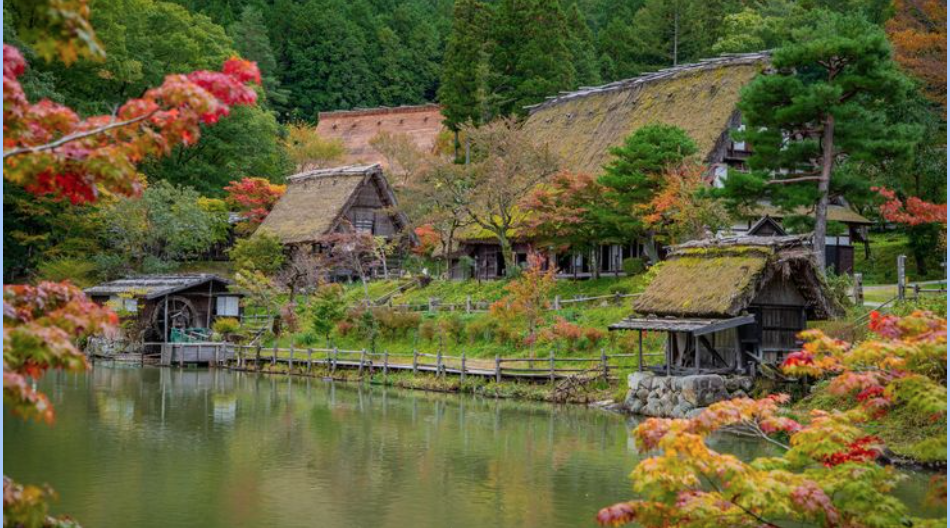
If the old town were about to become crowded, go to the riverside. The market at Miyagawa is open from 7 am to noon. The Jinya-mae is smaller, in front of the historic Takayama Jinya building, and is more of a farmers’ market with fewer tourists, and includes better flowers. Takayama Jinya is worth a visit afterward to learn more about the history of Takayama as a government office. From Takayama, you can make a great day trip to the UNESCO-listed Shirakawa-go village, which is around 40 minutes away by bus.
Urban Retro-Futurism: Exploring Tokyo’s Yanaka and Kichijoji
Not all off-the-beaten-track places are off the capital. Yanaka, in northeast Tokyo, is one of the few neighbourhoods left unscavenged by the earthquake of 1923 and wartime enemy bombing, and as a result, it retains much of its 19th-century appearance - not the recreated Tokyo of steel and concrete, but the Tokyo of decades ago. The small grilling stalls line the main shopping lane, Yanaka Ginza (Onomichi’s miniature version), and the area’s large population of cats has given rise to another nickname.
Small grilling stalls line the main shopping lane, and reminiscent of Onomichi, a number of senbei shops and secondhand book stores can also be found there, so much so that it has received another nickname among locals: Onomichi’s version. Cherry trees shade a part of the nearby Yanaka Cemetery, which is also a serene stroll around the mausoleums of shoguns and samurai families.
Laid out around the boating pond of Inokashira Park and its surrounding forest, Kichijoji, to the west of the city center, is a town consistently rated among the most desirable places to live in greater Tokyo, featuring a flavor of retro-futurism all its own. The Harmonica Yokocho alleyway close to the station is home to dozens of tiny bars and standing-room izakaya, remnants of the postwar era of black-market stalls previously located here. Its secondhand clothing shops, record stores, and independent coffee houses infuse it with a lived-in creative energy which is not to be compared with more polished shopping areas in other parts of town.
Seamless Regional Travel Across Honshu and the Islands
These spaces are stitched together, so it involves filling in real spaces from the Inland Sea to the Alps and back again to Tokyo - a bit of planning goes a long way. Both the islands and Onomichi are located within the corridor of the San’yo Shinkansen and, going over the ferry or local train, would naturally pass through Okayama or Hiroshima. Takayama is linked with Nagoya and the rest of the Alps by the limited express trains running through the Hida Basin, which is already interesting in itself. From here you will be whisked back to Tokyo. Both Yanaka and Kichijoji are just a short subway or JR ride from Tokyo’s main stations.
This is the kind of travel where poor signal coverage at times in the mountains and second-rate signals and poor port reception at ferry hubs mean that the loss of time spent searching for a signal value and checking the ferry timetable and other services is offset by a consistent signal strength when calling for booking or soft-phone meetings. Once it’s clear before they leave that the conversation is going to end up around the coast and up and down the hills and alleyways wherever the next turn heads, the bulk of their journey is just a series of “what is this, where shall we go next”.
