
Las Vegas on Foot: A Walking Guide to Downtown, the Arts District and the Strip
Las Vegas is usually described through its scale and its casino resorts, a reputation that has also carried over to online platforms such as sol casino. Yet the city rewards slower travel, and its giant resorts and long boulevards are only one side of it. Away from the main resort corridor, Downtown and the Arts District offer short walkable distances, layers of local history and a very different pace from the one most visitors expect.
Fremont Street: Where a Walking Day in Las Vegas Begins
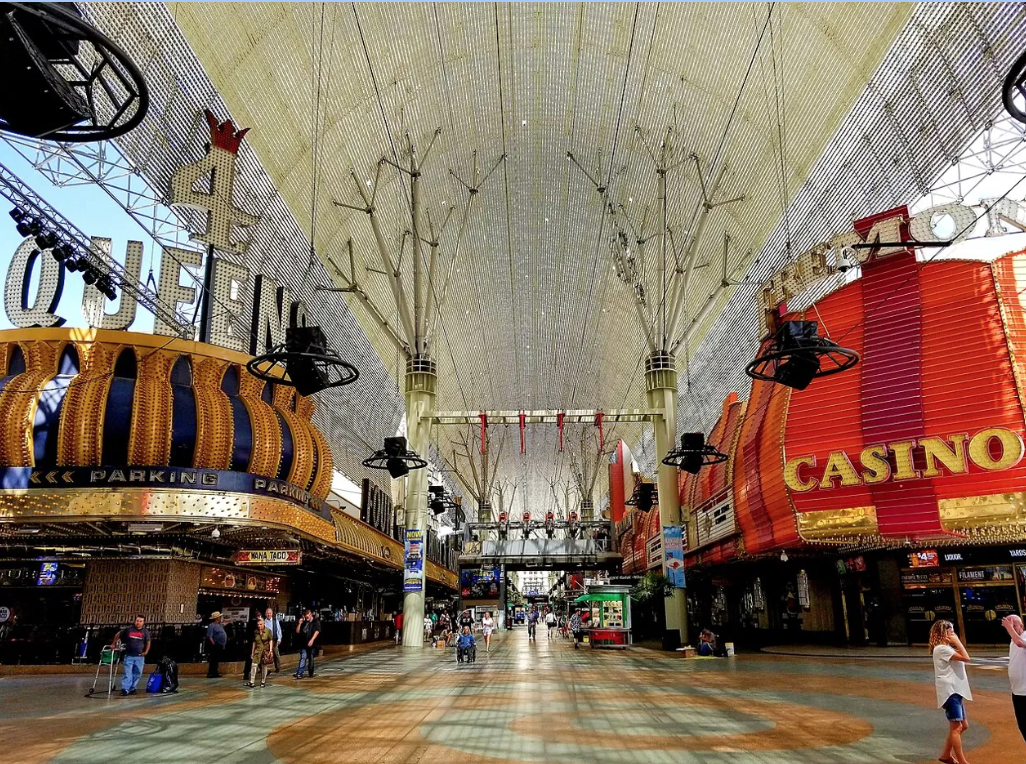
Fremont Street is where the city’s casino story began, and it remains the easiest place to start a walking day. The Fremont Street Experience opened on December 14, 1995, and covers five blocks of pedestrian street beneath a canopy of LED lights about 1,367 feet (417 metres) long. The Viva Vision light and video shows run in the evening, while daytime visits are quieter and make it easier to notice the older storefronts and vintage signs.
The surrounding blocks reward a few detours. The open-air Downtown Container Park, which opened in late 2013, is built from shipping containers and metal cubes and holds around 40 shops, restaurants and bars, along with a children’s playground and a stage for live music. Together with the small bars and converted shops nearby, it gives the area a neighbourhood feel that the larger resorts rarely match.
Neon Museum: A Walk Through Las Vegas Sign History
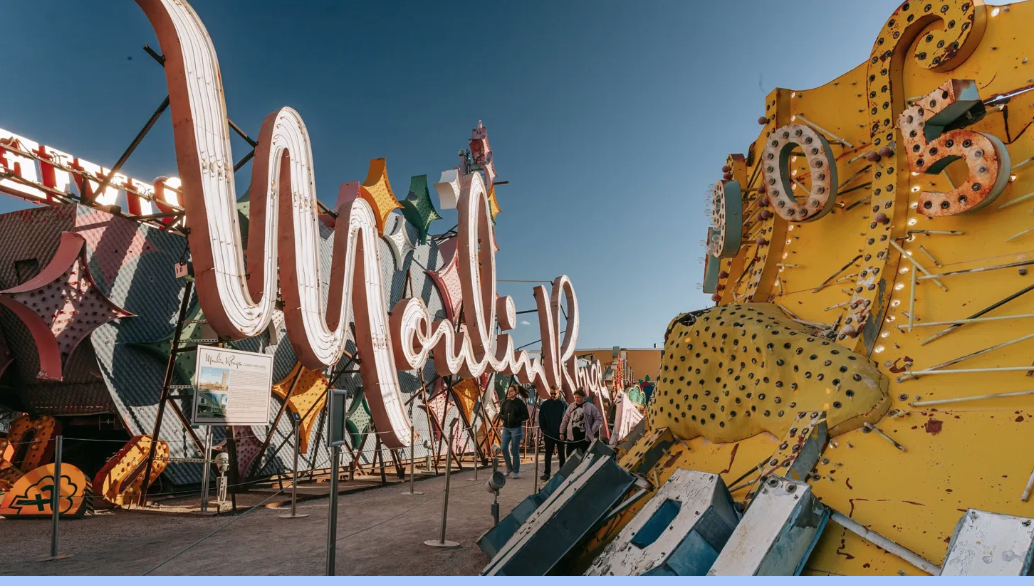
A short ride north of Fremont Street leads to the Neon Museum, which opened to the public on October 27, 2012. Its outdoor Neon Boneyard displays retired signs from hotel-casinos and other businesses across the Las Vegas Valley, including the Stardust, Riviera, Flamingo and Tropicana. Visitors can tour the grounds by day or after dark, when many of the unrestored signs are lit from outside. The vintage La Concha Motel lobby, with its shell-shaped roof, serves as the visitor centre.
18b Arts District: Murals, Galleries and Cafés
South of Downtown, the 18b Las Vegas Arts District takes its name from the 18 blocks it occupies. Murals appear on nearly every corner, and the neighbourhood includes the Arts Factory, which houses more than 30 artists and galleries, as well as vintage shops, bookstores, cafés and live-performance venues. The district’s First Friday street fair takes place monthly and is billed as the city’s largest, while Preview Thursday, the evening before, is a less crowded open-studio event.
Mob Museum: Las Vegas History in a 1933 Courthouse
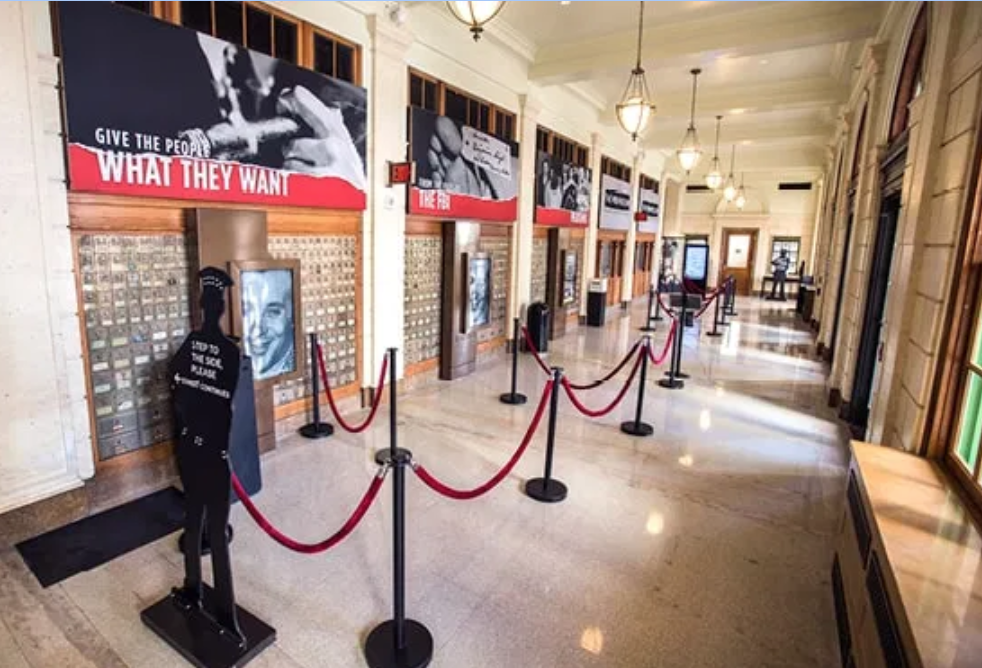
The Mob Museum occupies a former federal courthouse and post office dedicated in 1933 and opened as a museum on February 14, 2012. The courtroom hosted a 1950 hearing of the U.S. Senate’s Kefauver Committee, which investigated organized crime and its influence on gambling. The exhibits cover organized crime, law enforcement and the development of Nevada’s early gaming industry, and the neoclassical building is part of the experience.
Inside the Resorts: Architecture, Entertainment and Casino Culture
Even travellers who never place a bet tend to spend time inside the resorts, because many are designed as destinations in their own right, with gardens, art installations, theatres and food halls. Gaming has been part of the city’s identity since Nevada legalized it in 1931, and the resorts still reflect it in their design. In Nevada, gambling is limited to adults aged 21 and older, and visitors can explore the resorts’ public spaces without playing.
Walking the Strip: Distances and Transit Options
The Strip is about 4.2 miles (6.8 kilometres) long, and the distances can be deceiving. Resorts look close together, but the walk between them often includes long entrances, escalators and pedestrian bridges. Planning shorter segments, such as the stretch between Bellagio and the Cosmopolitan, keeps the day manageable. The Las Vegas Monorail, which runs 3.9 miles along the east side of the Strip between the Sahara and MGM Grand stations, and the city’s public bus routes provide options for covering the longer gaps.
Planning a Walking Trip: Weather and Getting Around
Climate is the main consideration. The average July high in Las Vegas is about 40°C, so spring and fall are more comfortable for extended walking. In the warmer months, early morning and after-dark outings are more practical, and carrying water is recommended in any season. Most of the Downtown attractions sit within a short ride of each other, which makes it possible to combine Fremont Street, the Neon Museum, the Arts District and the Mob Museum in a single weekend.
