
New Orlean’s Ice Cream Parlour Homes
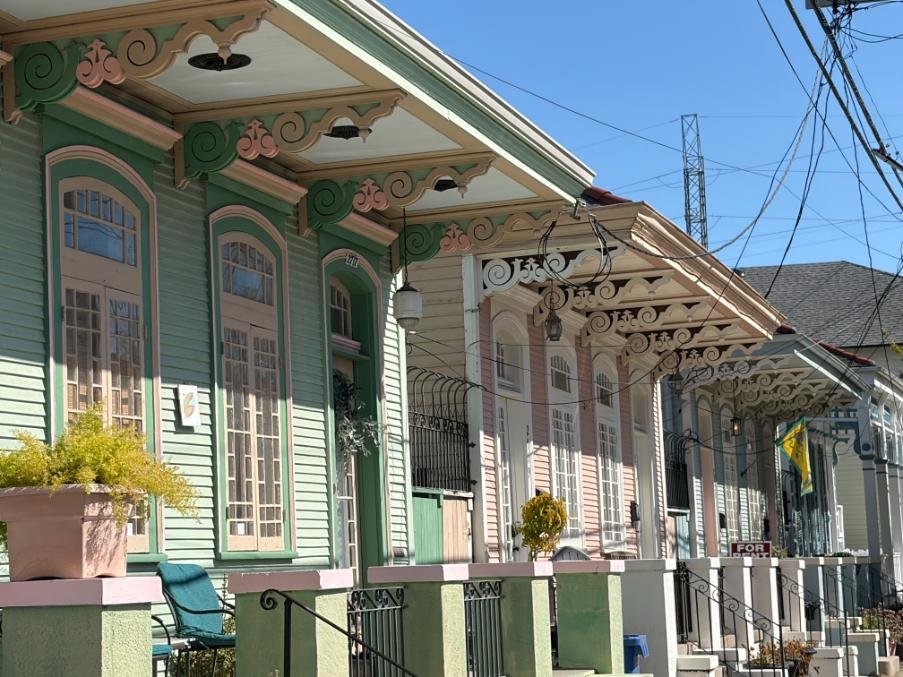
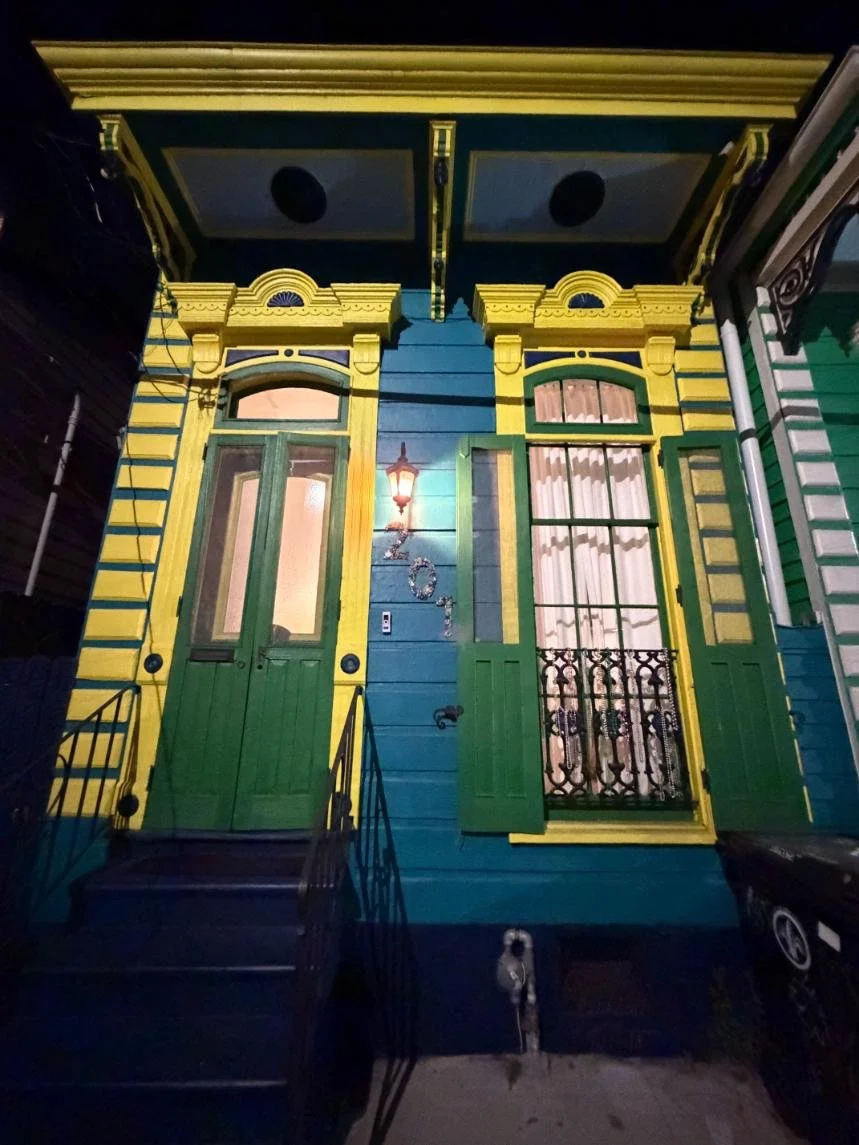
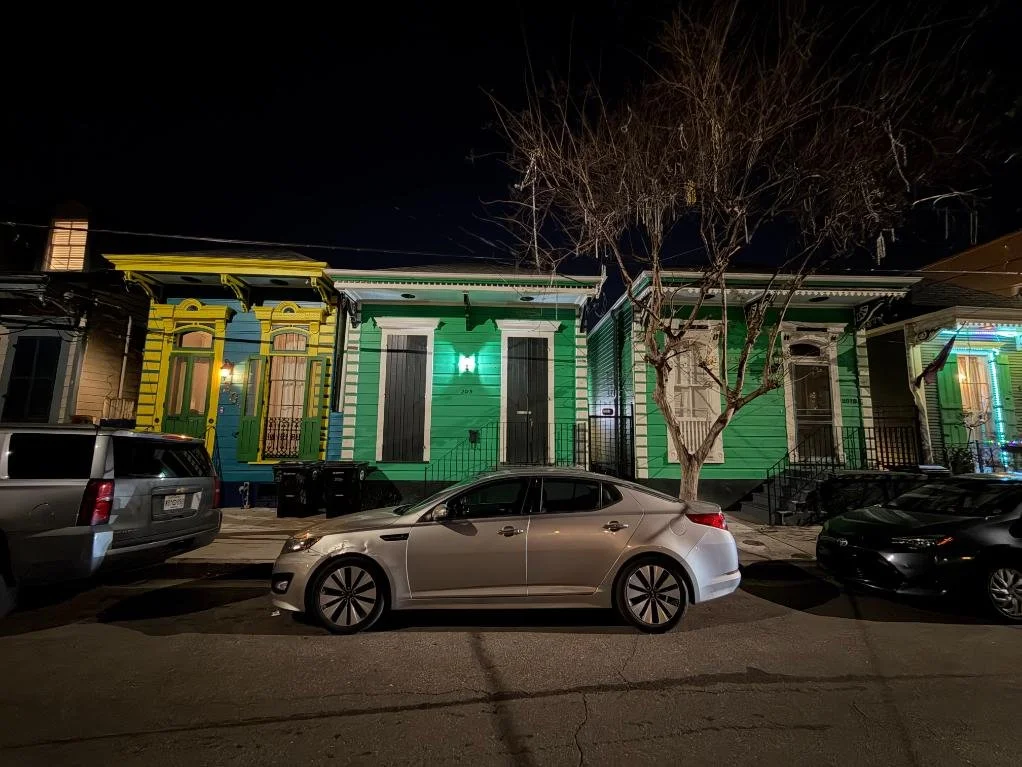
New Orleans is famous for its Garden District, with its elegant, heritage mansions and tree canopied streets. Yes, they are impressive, but I loved the tiny, historical “Ice Cream Parlour” homes found in the Marigny neighbourhood, on the other side of downtown.
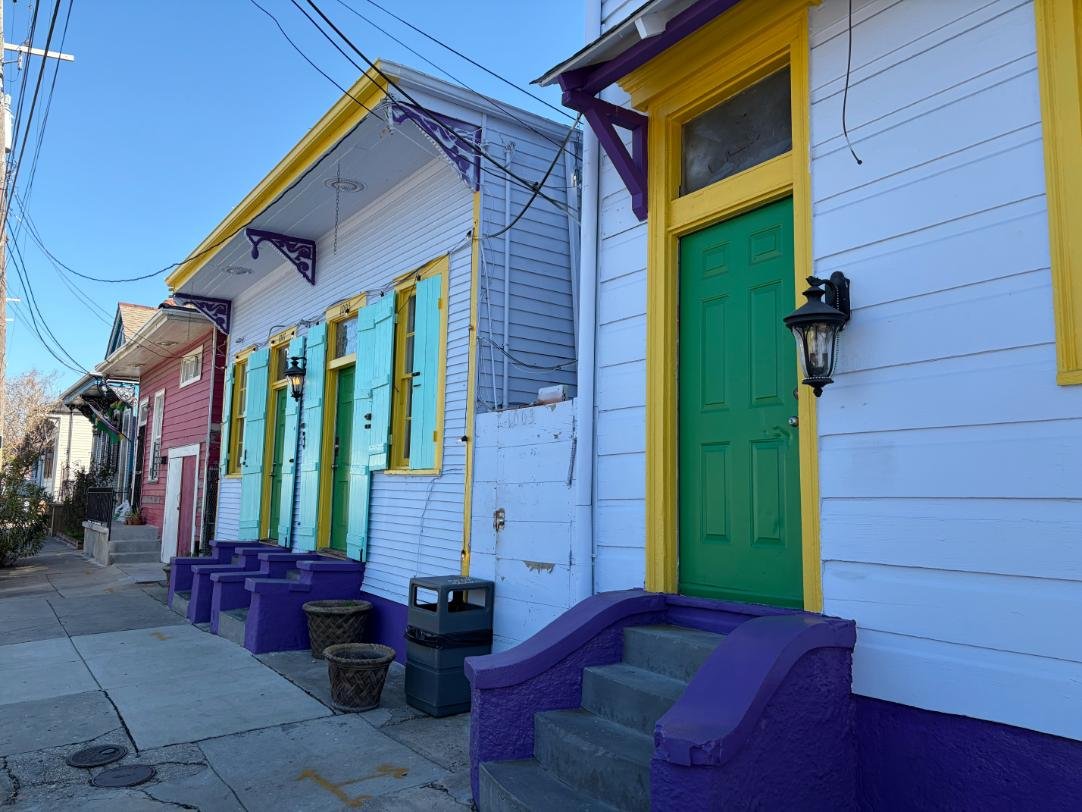
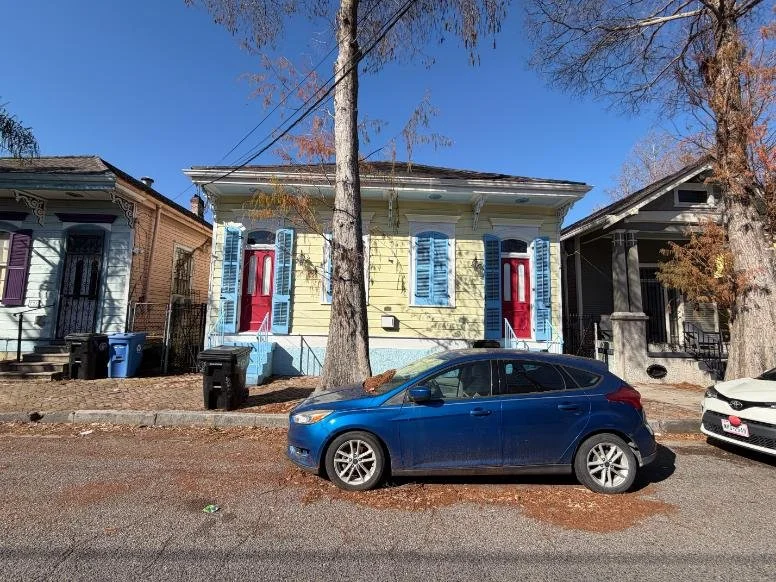
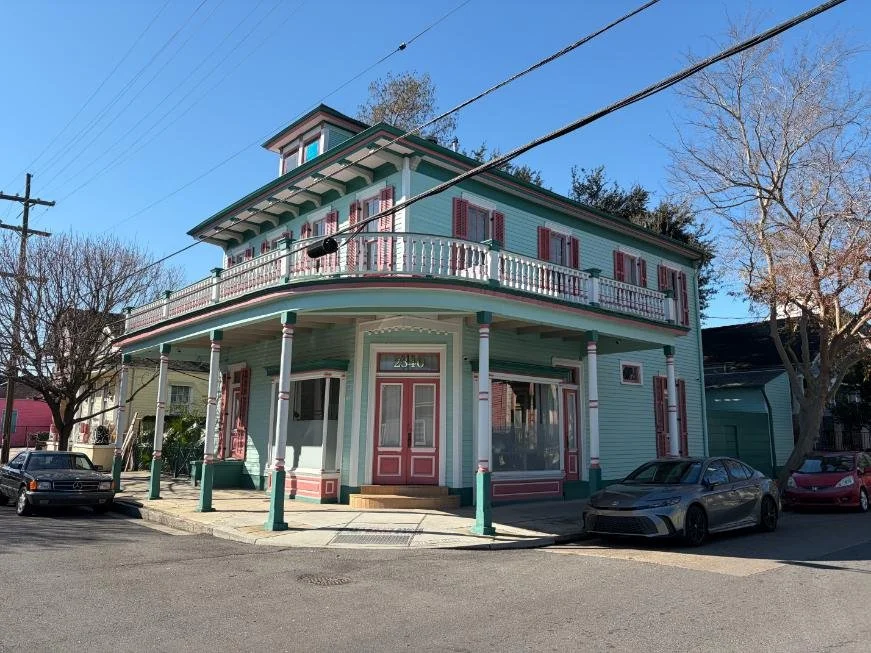
I nicknamed them “Ice Cream Parlour” homes for their playful, pastel colours - mint green, strawberry pink, lemon yellow, cherry red and chocolate brown, colours often associated with places that sell ice cream. They created a fun sense of place and very pedestrian-friendly streets, even when the sidewalks were treacherous (cracked, heaved and crumbling).
Stroll down Royal Street or Chartres Street in Marigny and you will see rows of restored, brightly colored tiny houses maybe only 500 square feet. These homes look like the children of the much larger “Painted Ladies” home made famous in San Franciso.
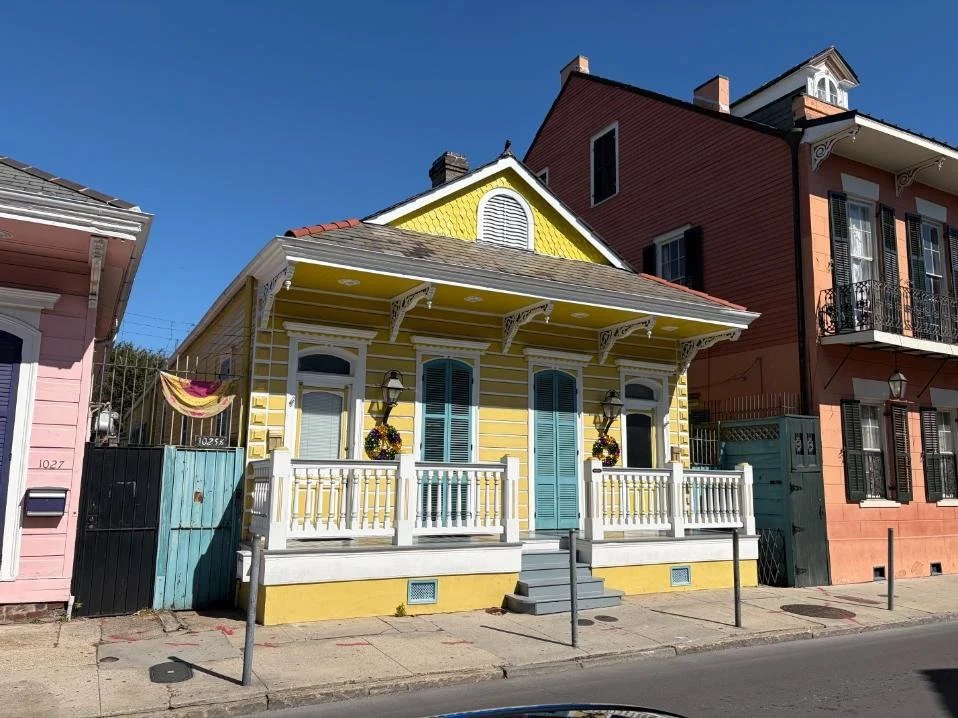
Side Note: By definition, "Painted Lady" homes are large, elegant Victorian or Edwardian homes painted in three or more contrasting colors. The bright colors are chosen to highlight the home's decorative wooden trim, bay windows, and steep roofs.
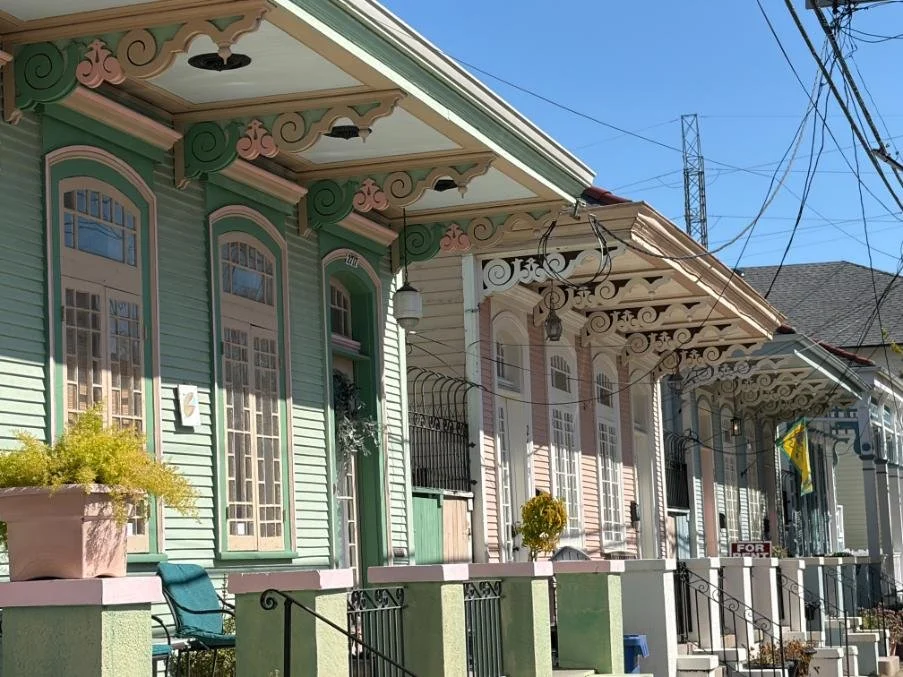
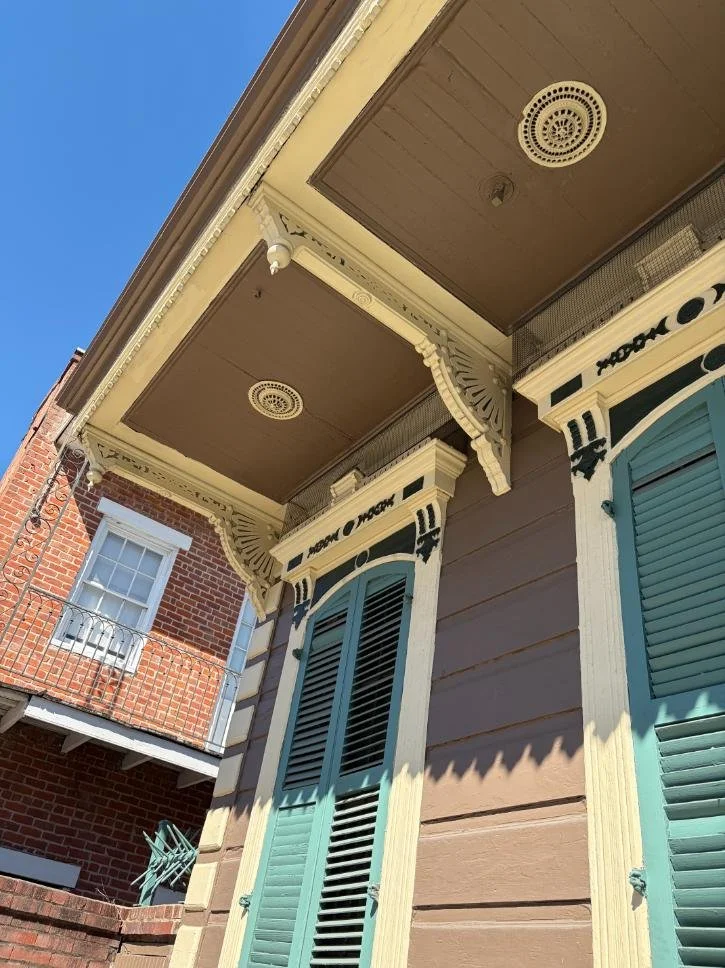
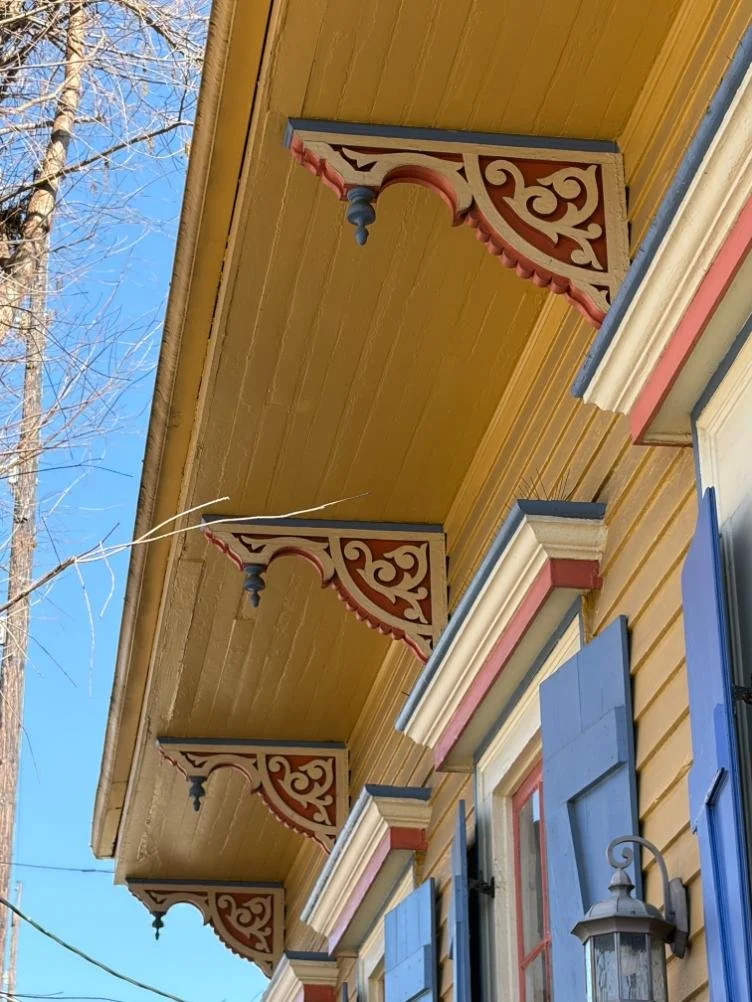
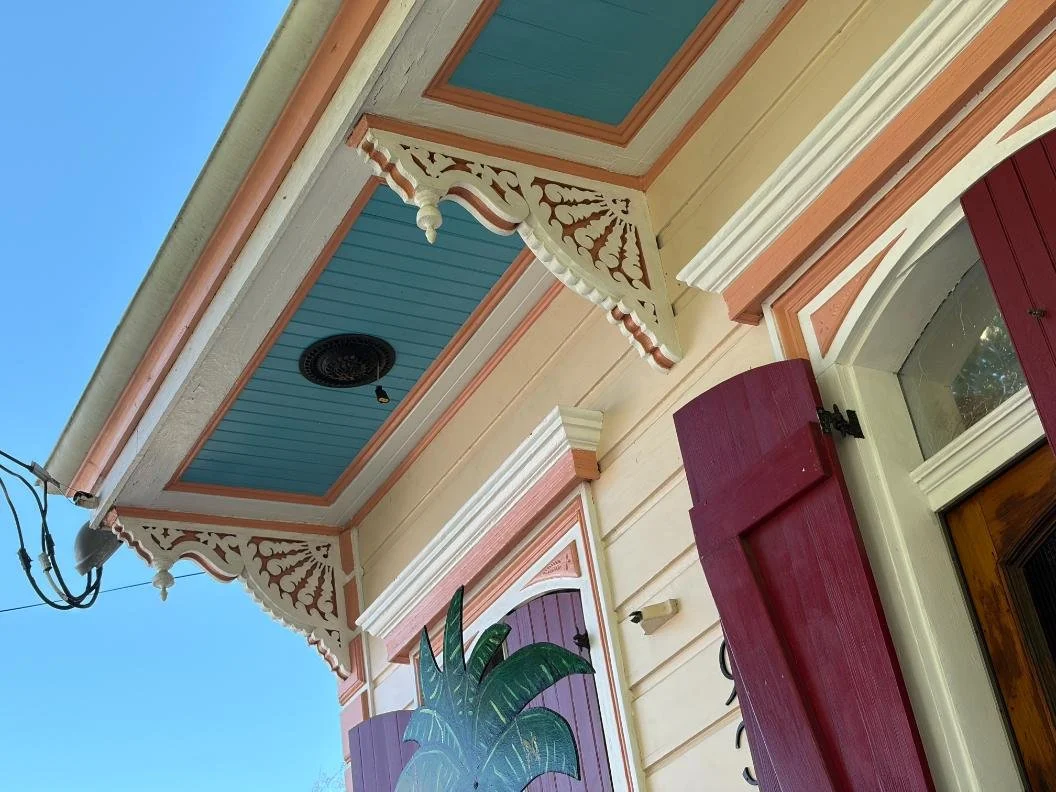
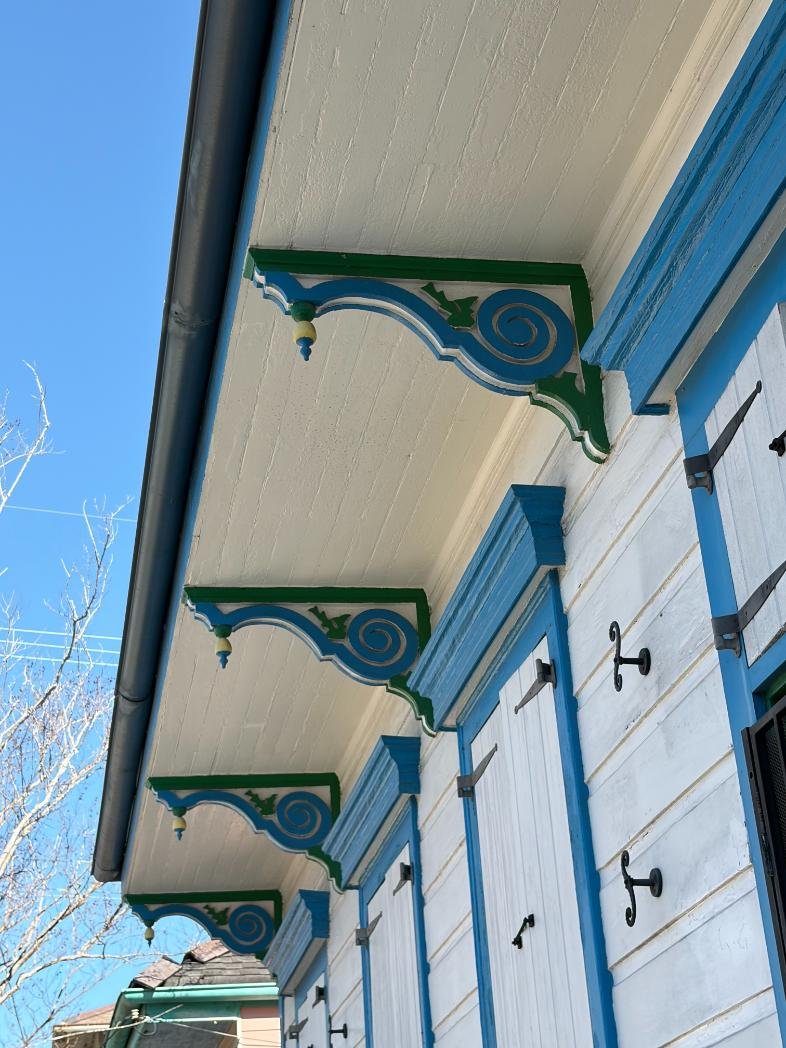
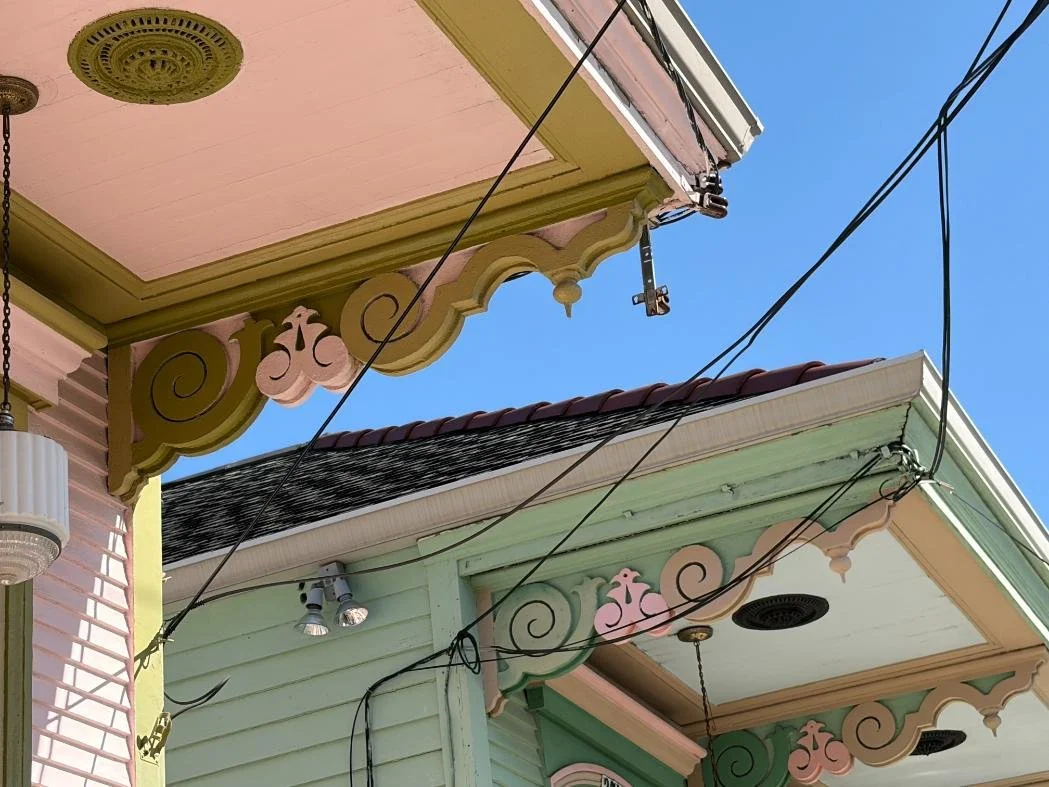
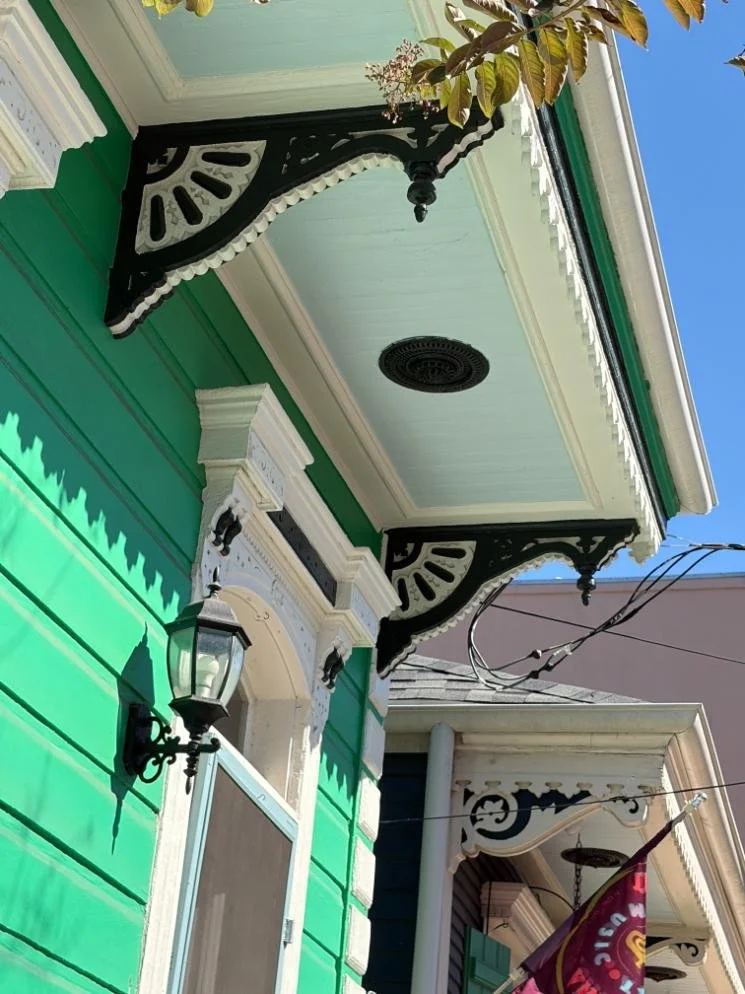
What was most impressive about the “Ice Cream Parlour” homes were the “corbels,” i.e. the bracket-like architectural elements that link the façade the house with overhang of the roof.
Here are some samples:
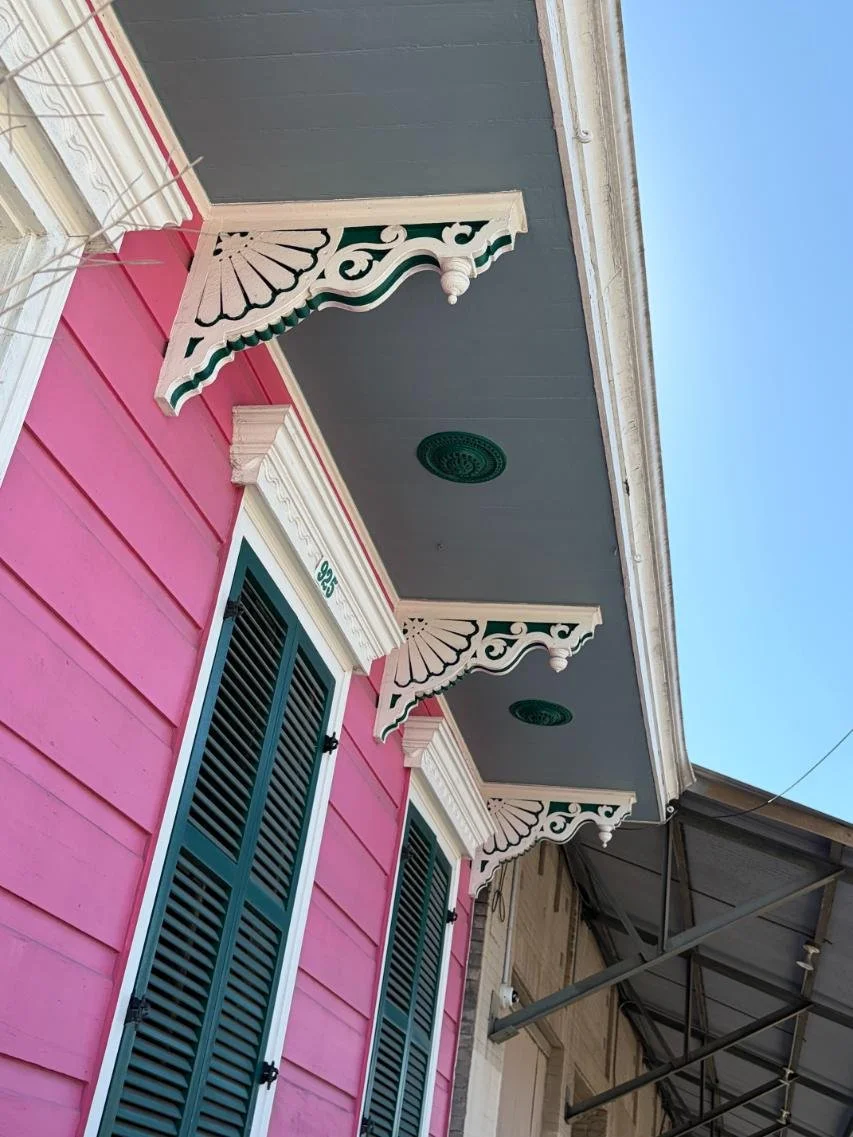
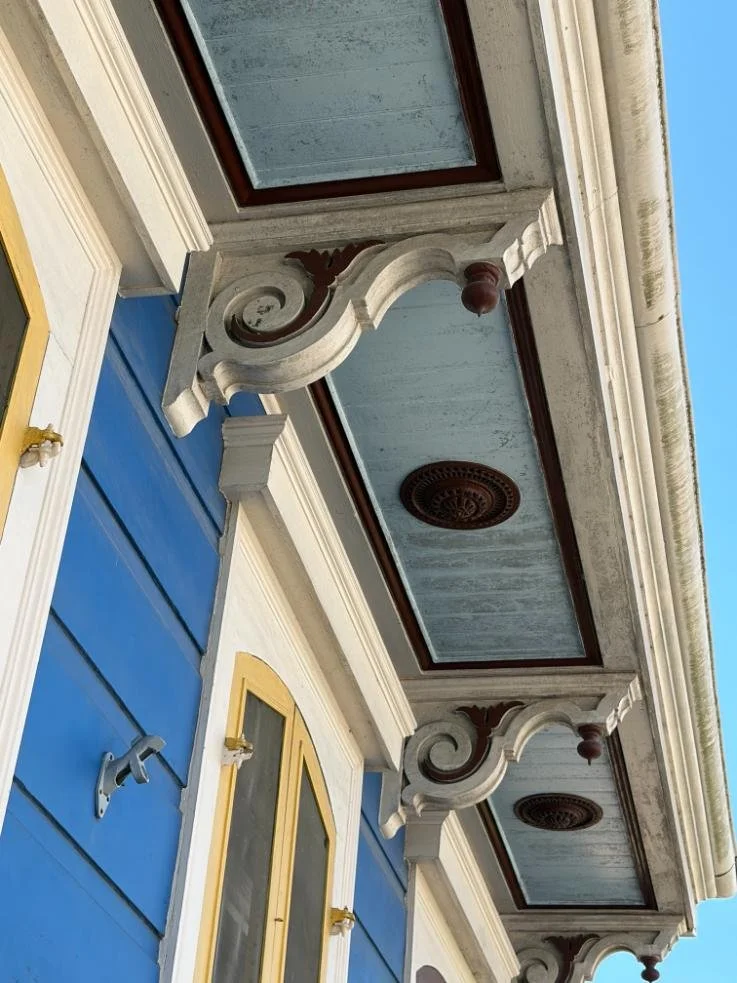
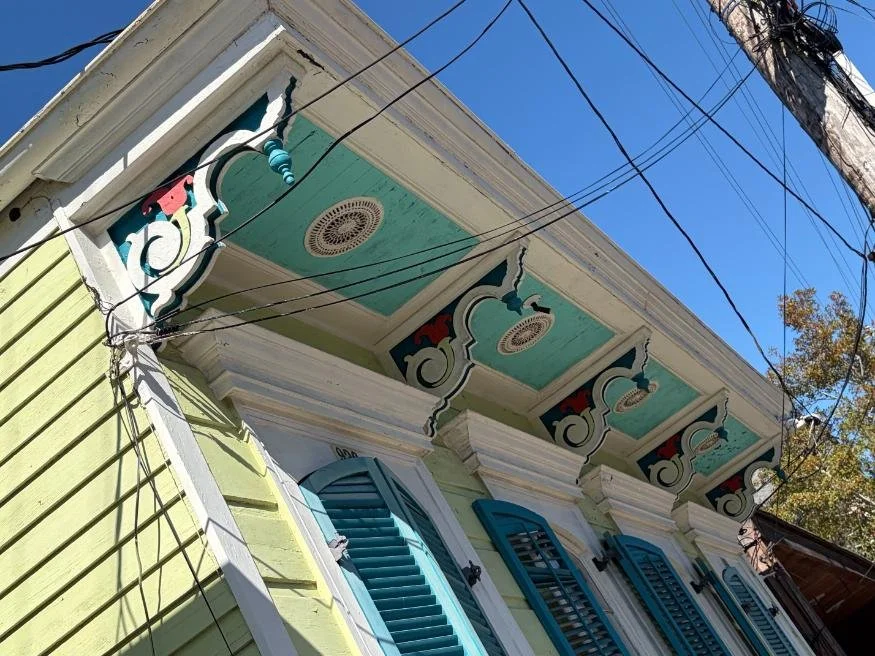
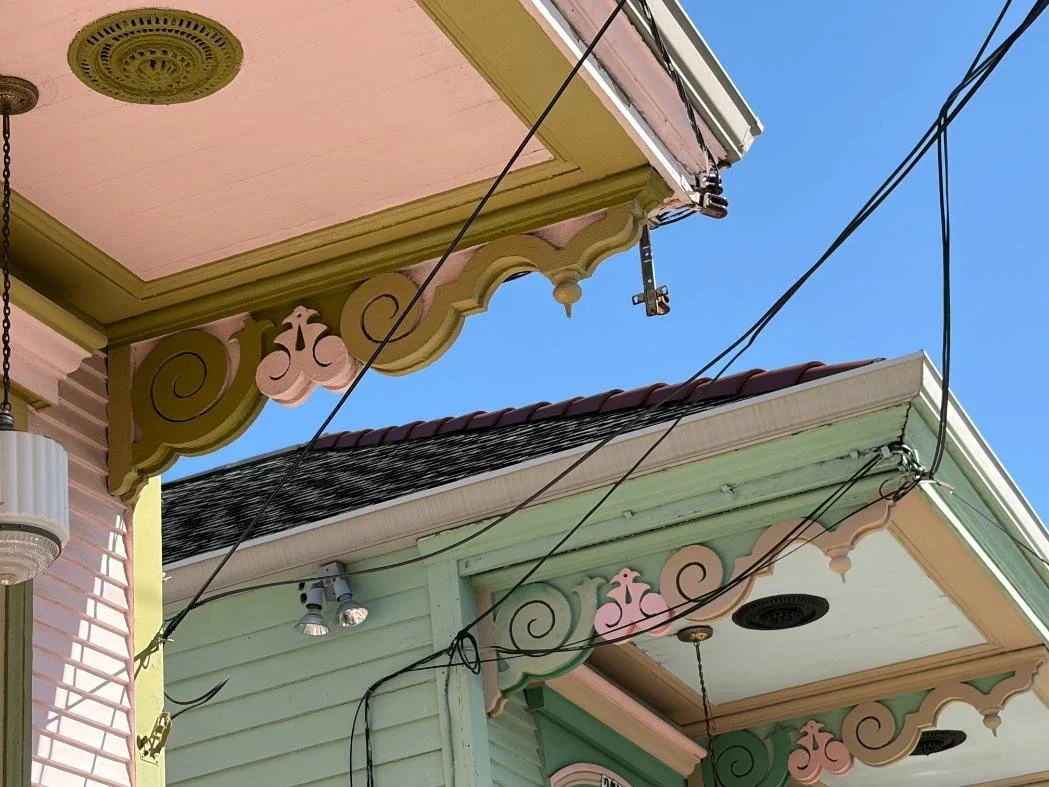
Ice Cream Parlour History
While the origins of ice cream are often debated, most scholars trace the first ice cream parlor back to France in the 17th century. In 1686, Francesco Procopio del Coltelli opened the Café Procope, and served gelato in small porcelain bowls. Canada’s first ice cream parlour opened in Toronto around 1850, operated by Thomas Webb.
Note: Gelato contains less milk fat and significantly less air than ice cream, giving it a denser, silkier texture. Because it is served at a slightly warmer temperature, gelato allows flavors to shine more intensely on the palate compared to the fluffy, higher-fat nature of traditional ice cream.
For decades in the middle of the 20th century ice cream parlours used colour to not only make customers happy when they walked in the door but also make them hungry with colours that suggested ice cream flavours.
For example:
Pink: Strawberry or raspberry
Light Green: Mint or pistachio
Brown: Rich chocolate or coffee
White: Vanilla
Yellow: Banana, Lemon
In colour theory:
Yellow is universally associated with sunshine and joy. It brings instant warmth and a sense of clarity.
Orange combines the energy of red and the joy of yellow. It is vibrant, enthusiastic, and socially engaging.
Red is known for bringing intensity and passion to a space. It raises heart rates and creates physical energy, which often translates to excitement and action.
Pink is known for its pacifying effect on people and smile-inducing impact.
Lilac brings a calming but cheerful vibe, blending the tranquility of blue with the uplift of purple.
Last Word
Today; handmade ice cream is all the rage across Canada. In Calgary, Village Ice Cream open in 2012 at the back of an engineering office on 10th Ave SE in Victoria Park. Today it has six locations across the city. Did you know that “YYC Ice Cream Fest” is happening in Calgary from July 17 to Aug 16, 2026, with 25+ participants? Many cities across Canada have ice cream festivals these days - look for one near you.
Hot Tip: The best deal on an ice cream cone in Calgary is in Inglewood, where you can get a single scoop for $3 at the “Blue Building” at the corner of 9th Ave and 13th St SE. However, it might not be there for much longer as there is a proposal of a new development on the site. I will be sad to see another quirky place in Inglewood disappear.
