
Pick Your First Indonesia Liveaboard: A Step-by-Step Guide for New Divers
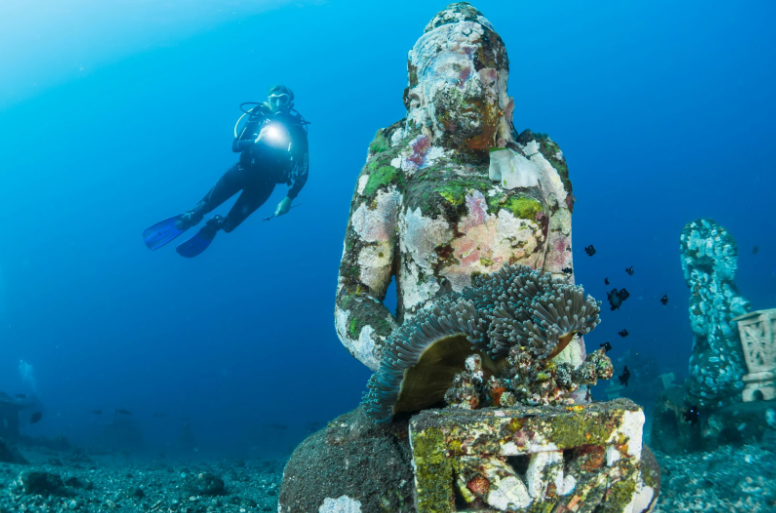
Taking that first step toward booking an Indonesia liveaboard is exhilarating. You’re aiming for the Coral Triangle, the global epicenter of marine diversity, where every dive is a kaleidoscope of life. That thrill, however, often comes with a whisper of apprehension, particularly because many famous Indonesian liveaboard diving sites are notorious for powerful currents. Do not let that intimidate you. Your goal isn’t to find the flashiest boat; it's to find the best liveaboard in Indonesia that serves as a safe, supportive classroom. This guide cuts through the noise and gives you a structured, step-by-step methodology, ensuring your debut liveaboard journey prioritizes your comfort and safety over unnecessary risk. We're going to build your perfect trip from the ocean floor up.
Step 1: Destination Triage – Komodo vs. Raja Ampat
The first major decision in planning your liveaboard diving in Indonesia is choosing the right archipelago. Should you head to Komodo or venture to Raja Ampat? For a beginner, the answer is usually Komodo National Park. Its logistics are simpler—you fly directly to Labuan Bajo—and it boasts a higher concentration of beginner-friendly, sheltered dive sites like Siaba Besar (the famous "turtle city"). While Komodo’s most famous spots can certainly feature powerful currents, a skilled crew can reliably find calmer alternatives nearby. Conversely, Raja Ampat offers unparalleled biodiversity, but its remote nature means more complex travel and, generally, more exposure to open-ocean currents. If you're fresh out of your Open Water course, start with Komodo; if you have 30+ dives and excellent buoyancy, Raja Ampat is a challenging but possible next step. Match your confidence level to the region.
Defining Your Comfort Zone: Skill and Certification Requirements
Before you even look at brochures, you must be honest about your skill set. Technically, an Open Water certification can get you onto some Indonesian liveaboards, but let's be pragmatic: an Advanced Open Water (AOWD) certification is practically mandatory for a comfortable experience. Why? Many of the best sites in Komodo and Raja Ampat run deeper than 18 meters, and you want the luxury of managing the typical 25- to 30-meter depths without hitting the limits of your training. Beyond AOWD, you should strongly advocate for and acquire a Nitrox certification. With the intensive, multi-dive daily schedule of a liveaboard, using Nitrox is not just a bonus—it’s a critical safety and fatigue-management tool that makes the demanding pace exponentially more enjoyable. This preparation ensures you maximize your dive opportunities safely.
Understanding the Itinerary Filter: What to Seek and What to Skip
Once you pick your region, you must be a savvy itinerary investigator. For liveaboard dive trips in Indonesia, the brochure can be misleading. If you are going to Komodo, look for trips that schedule significant time in the central and northern sheltered bays. Conversely, steer clear of routes that heavily emphasize the colder, murkier South or famously aggressive drift sites like "The Shotgun" or the exposed pinnacles around Rinca. For Raja Ampat, the ideal itinerary for a novice focuses on the Dampier Strait and sheltered coastal reefs. You should actively skip any itineraries that proudly advertise the remote, current-heavy regions of Misool or the Far North. Your first trip should focus on enjoyment and growth, not survival.
Step 2: Vetting the Vessel and Crew for the New Diver
You’ve locked in the region and the itinerary—now for the boat itself. When evaluating liveaboard boats in Indonesia, the human factor is the non-negotiable priority. You need to scrutinize the quality and experience of the dive crew, not the thread count of the linens. Look specifically for an ultra-low guest-to-guide ratio—ideally four divers to one guide or better. This ensures you get personalized attention during complex briefings and, more crucially, continuous supervision underwater.
Furthermore, investigate the safety infrastructure: is there a dedicated, functional dhoni (tender boat)? This smaller boat is essential for safely dropping you off and quickly picking you up, particularly in the current. Finally, confirm the condition of the rental equipment; well-maintained gear is vital for a stress-free experience.
Step 3: Logistics and Budgeting Beyond the Sticker Price
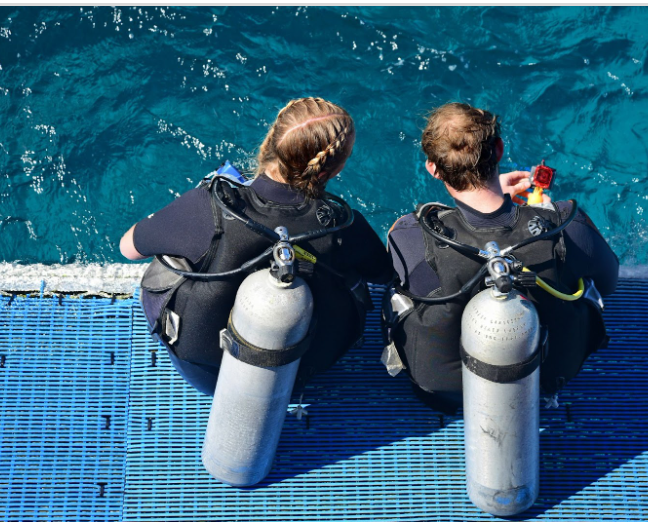
Let’s talk money. The price you see advertised for Indonesian diving liveaboard is rarely the final price. A significant component of logistical preparation is realistic budgeting. You need to factor in several significant, often separate, expenses. First, you'll need domestic flights (frequently flying from Bali or Jakarta) to reach the liveaboard departure port, which requires careful timing. Second, be prepared for substantial marine park fees, especially in conservation hotspots like Raja Ampat. Third, if you aren't bringing your own complete gear set, rental costs will add up quickly, as will the per-tank Nitrox charge.
Essential Financial and Logistical Budget Items:
Domestic flights and pre/post-trip hotel nights to account for travel buffers.
Indonesian Marine Park and Port Fees (often mandatory and costly).
Rental equipment and Nitrox charges (often excluded from the base fare).
Prioritizing boats that offer transparent, all-inclusive pricing for these core services will save you from unwelcome financial surprises right before or during your vacation.
Step 4: Final Preparations for a Stress-Free Departure
The final step is about minimizing all external variables that could cause anxiety. First and foremost, you absolutely must obtain and confirm comprehensive dive insurance. Make sure it covers medical expenses and, critically, emergency evacuation from remote regions. Next, pack smart: use soft luggage that can be easily stowed in a small cabin. Bringing motion sickness medication, even if you’ve never been seasick, is simple insurance. This final phase of preparation is an administrative exercise designed to ensure that when you board your chosen liveaboard in Indonesia, your only concern is which critter you hope to see first.
Conclusion
Selecting your first Indonesia liveaboard diving adventure requires calculated self-awareness and thorough due diligence. This is not a trip where you simply roll the dice. The key to success lies in two steps: starting by choosing the right region—Komodo is often the easier entry point—and then selecting a vessel with superior guiding ratios and conservative itineraries. Couple that choice with your own commitment to preparation, including securing your AOWD and Nitrox certifications. By following this step-by-step guide, you are guaranteed a safe, transformative, and unforgettable journey into the boundless heart of the Coral Triangle, where your life as a true underwater explorer truly begins.
