
When temperatures fall, cities across the world turn cold air into part of their theatre. Snow becomes decoration, streets glow with handmade lanterns, and music follows the rhythm of frozen steps. Each celebration reflects how people answer the long season not with silence, but with light and noise.
For many travellers, these festivals shape the memory of winter more than any mountain view. They mix the smell of wood smoke with food, music, and laughter that spill into icy nights. Even sports and entertainment merge in the background, where talk of Cricket betting line joins the sound of drums and fireworks. The combination of ritual, chance, and performance shows how winter gatherings stretch beyond weather or faith.
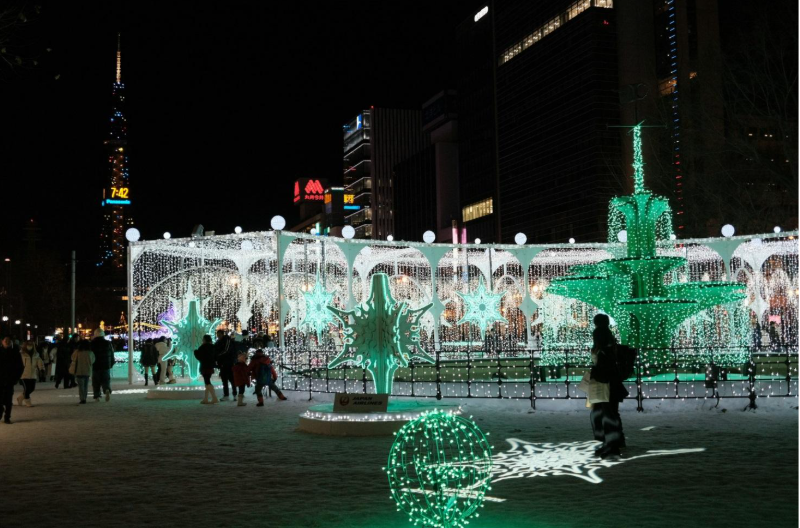
Sapporo Snow Festival – Japan
Japan’s northern island of Hokkaido holds a week-long event that turns Sapporo’s streets into an open-air art gallery. Gigantic ice models of temples, cartoon characters, and historical scenes appear overnight. Local schools and military units contribute to the designs, blending precision with imagination. Massive ice structures fill Odori Park and nearby sites.
The festival features detailed replicas of historic buildings and modern landmarks. Military-grade snow equipment helps shape sculptures that reach several metres high. Lighting systems maintain visibility during long winter nights.
Key features of the Sapporo event include:
International sculpture competitions
Night illumination across multiple districts
Stable temperatures ideal for ice preservation
Sapporo benefits from efficient rail access and clear signage. Visitors often combine the festival with regional food tours and nearby ski resorts.
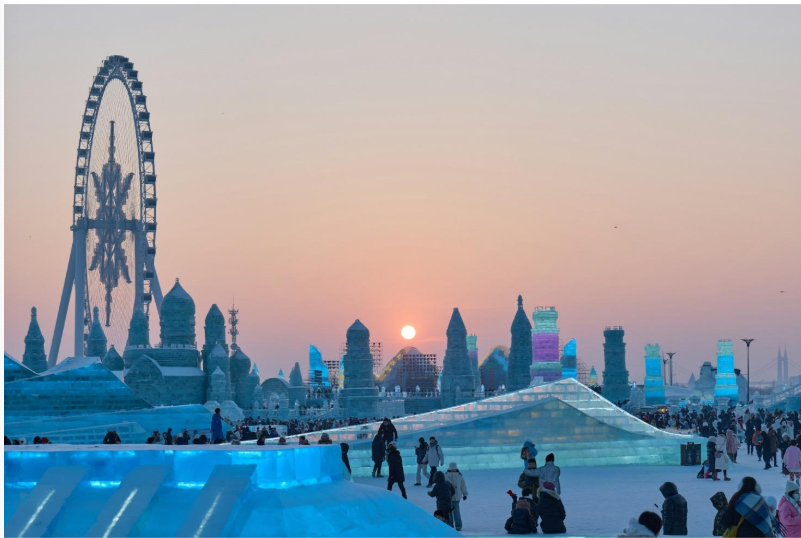
Harbin Ice and Snow Festival – China
Harbin hosts one of the largest ice festivals globally. The event uses ice blocks cut from a frozen river nearby. Builders assemble entire districts from ice, reinforced with internal lighting.
The festival opens in early January and runs for over a month. Some structures exceed forty metres in height. LED systems create colour shifts that transform the site after sunset.
Harbin reports annual attendance exceeding one million visitors. The festival supports winter employment and international charter flights. Local hotels adjust pricing to reflect extended demand.

Quebec Winter Carnival – Canada
In Quebec, the cold season feels more like a guest than an enemy. The streets fill with brass sounds and the crack of boots on packed snow. Locals treat the event as a pause to breathe and meet, not an escape from the cold. Bonhomme, the snow figure at its heart, walks among people, not above them, while banners swing between old stone walls.
Parades, ice canoe races, and night concerts define the programme. Snow sculptures remain smaller than Asian counterparts but focus on interaction. Many activities encourage public participation. Restaurants and retailers benefit from steady foot traffic. The event also reinforces Quebec’s winter identity.
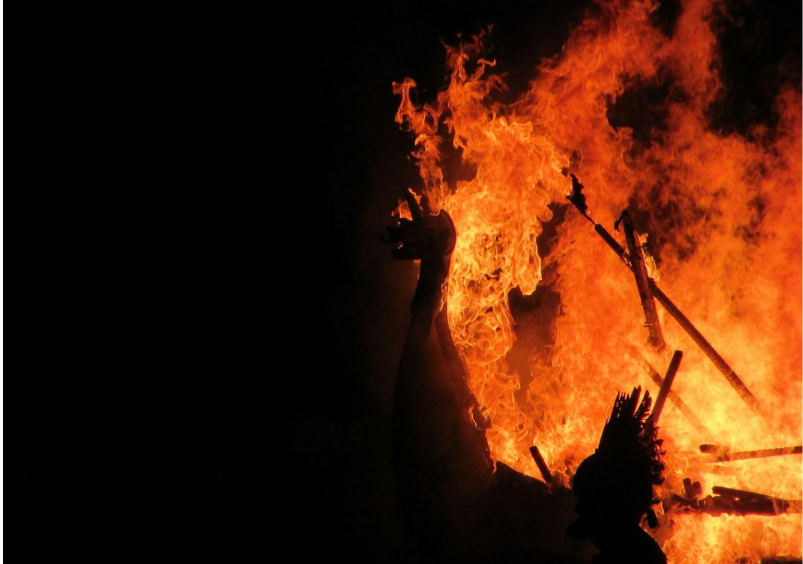
Up Helly Aa – Scotland
Up Helly Aa stands apart from ice-focused festivals. It takes place in the Shetland Islands during midwinter. Fire replaces snow as the main visual element.
Participants parade with torches before burning a handcrafted longship. The event draws on Norse heritage preserved in the region. Attendance remains controlled to protect local infrastructure.
Up Helly Aa offers insight into cultural continuity rather than spectacle size. Visitors often plan trips months ahead due to limited accommodation. Local authorities prioritise safety and crowd balance.
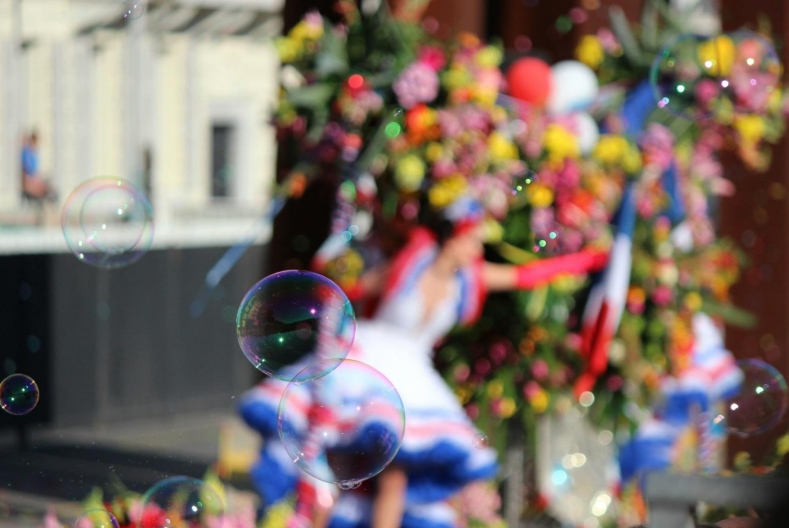
Nice Carnival – France
Nice holds its winter carnival in February, during a period usually quieter for coastal travel. The event has documented roots reaching back several centuries. It unfolds across central boulevards and public squares rather than closed venues.
The carnival centres on large moving floats built from wood and papier-mâché. Each year follows a defined theme, reflected in costume design and parade order. Evening parades rely on controlled lighting rather than fireworks or heavy effects.
A separate series of events, known as flower battles, uses locally grown blooms. Participants throw thousands of flowers from decorated platforms along the promenade. Tourism data shows hotel occupancy rises sharply during the carnival weeks, despite the off-season calendar.
Winter festivals and destination value
Winter festivals reshape how destinations manage off-season travel. They stabilise employment and encourage infrastructure investment. Transport, lighting, and event management systems often remain after the festival ends.
Cities hosting major winter events report stronger brand recognition. Media coverage extends beyond tourism sections into cultural reporting. This visibility supports future events across other seasons.
Cold weather no longer limits travel appeal. Well-designed winter festivals convert climate into character. They offer structured experiences that reward planning, patience, and curiosity.
