
Walkable neighbourhoods worth planning a trip around
Some neighbourhoods are best experienced without an itinerary. Their appeal lies in being able to leave a café, follow an interesting side street and discover a market, gallery or local restaurant a few minutes later. For travellers, that kind of walkability can turn an ordinary city break into something much more memorable.
The three neighbourhoods below are in very different parts of the world, but they share a useful combination: distinctive local character, plenty to see within a relatively compact area and enough interesting stops to justify several hours on foot. They are also alternatives to the most obvious tourist districts. And while a trip can include all kinds of leisure interests, from nightlife and restaurants to online entertainment such as Shi Kaka Casino, these are places where the best entertainment comes from simply heading outside and exploring.
What actually makes a neighbourhood walkable?
For travellers, walkability means more than having pavements. A good walking neighbourhood needs density, variety and connectivity. Interesting stops should be close enough together that walking feels like part of the experience rather than simply transportation.
It should also reward detours. Markets, cafés, architecture, public spaces and independent businesses give you reasons to turn down streets that were never part of the original plan. Access to public transport is another advantage, allowing visitors to arrive without a car and begin exploring immediately.
Using those criteria, these three neighbourhoods offer particularly rewarding urban walks.
Vila Madalena, São Paulo, Brazil
Vila Madalena is a colourful alternative to São Paulo's more formal sightseeing districts. Its hilly streets combine street art, small galleries, cafés, bars and independent shops, making it particularly enjoyable for travellers who prefer exploring without a rigid schedule.
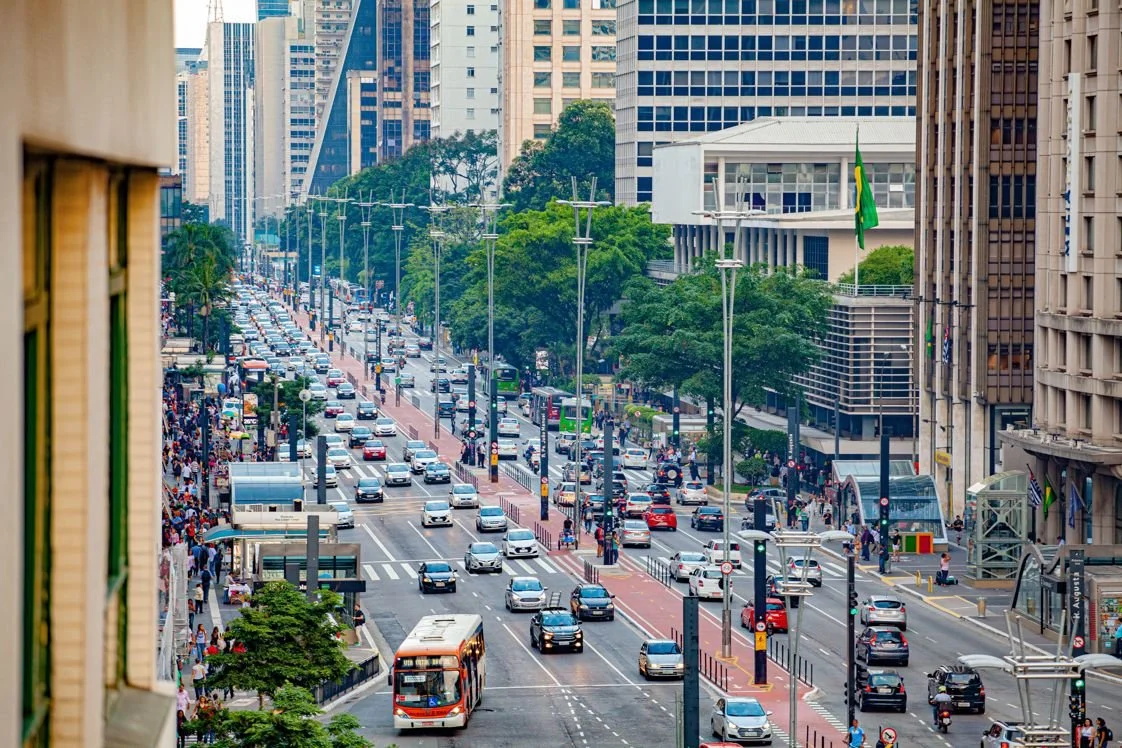
Beco do Batman is the obvious starting point. The narrow streets and alleys around this open-air street-art destination are covered with constantly changing murals. Rather than leaving immediately afterwards, continue through the surrounding streets towards Praça do Pôr do Sol, a popular local spot for watching the city change colour towards evening.
The hills mean this is not effortless walking, so comfortable shoes are essential. The reward is discovering how quickly the atmosphere changes between lively commercial streets and quieter residential pockets.
Motomachi and Yamate, Yokohama, Japan
Yokohama's neighbouring Motomachi and Yamate districts work particularly well as one continuous walk because they reveal two contrasting sides of the city's history.
Begin on Motomachi Shopping Street, where boutiques, bakeries and cafés occupy an elegant pedestrian-friendly commercial strip. From there, walk uphill towards Yamate. The climb brings you into a much quieter area associated with the international residents who settled in Yokohama after its port opened to foreign trade in the 19th century.
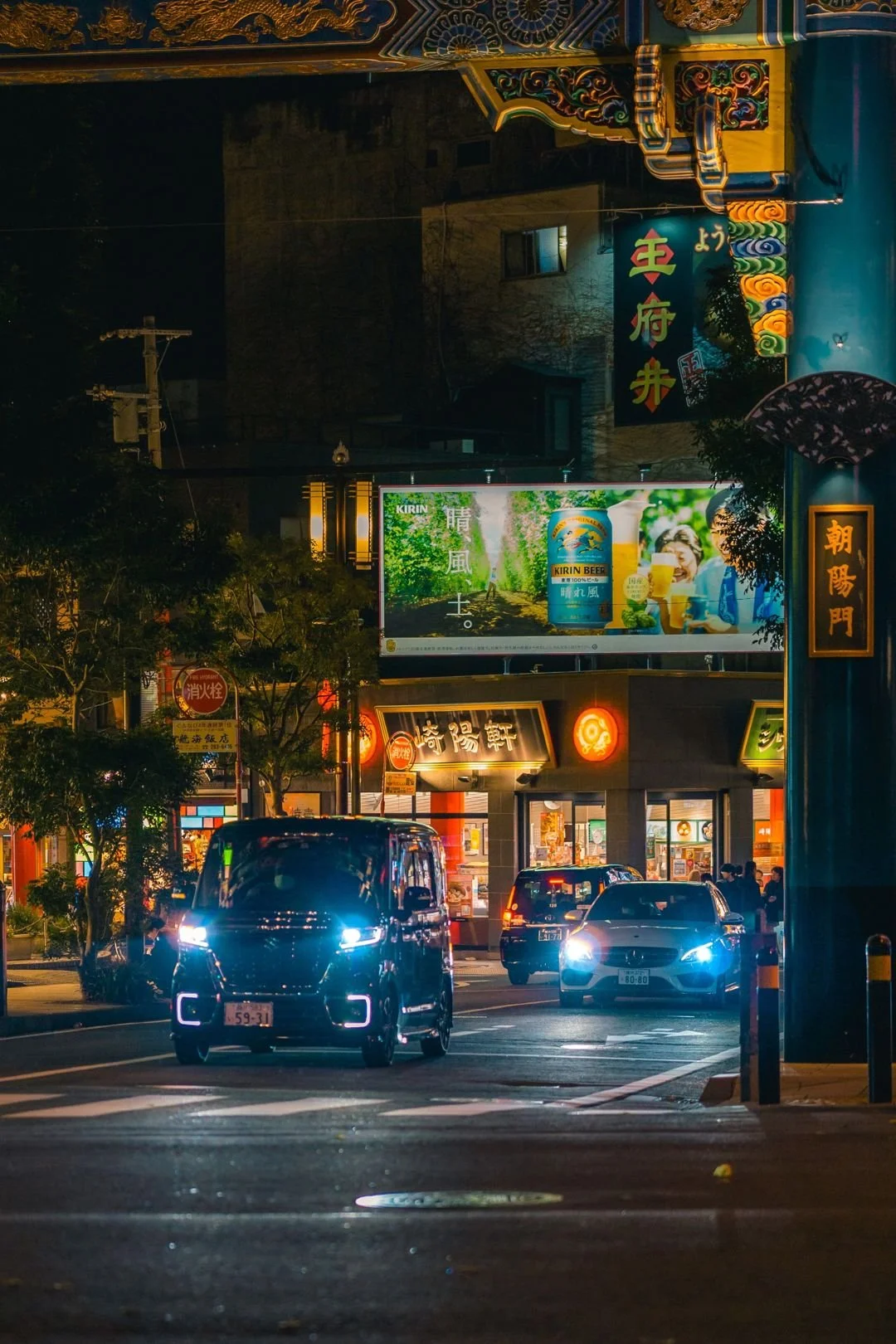
Several preserved Western-style residences can be found around the area, while Harbour View Park provides a natural place to pause. You can then continue towards the atmospheric Yokohama Foreign General Cemetery before descending towards the waterfront.
The hills require slightly more effort than Motomachi's shopping streets suggest, but the changing architecture makes the climb worthwhile.
Testaccio, Rome, Italy
Travellers looking beyond Rome's historic centre should consider Testaccio. The neighbourhood has deep connections to Roman food culture while remaining distinctly residential.
Start at Mercato Testaccio, where stalls sell produce alongside prepared Roman specialities. From there, walk towards Monte Testaccio, an unusual artificial hill created from fragments of ancient Roman amphorae. Nearby, the former slaughterhouse complex known as Mattatoio has been transformed into a cultural space.
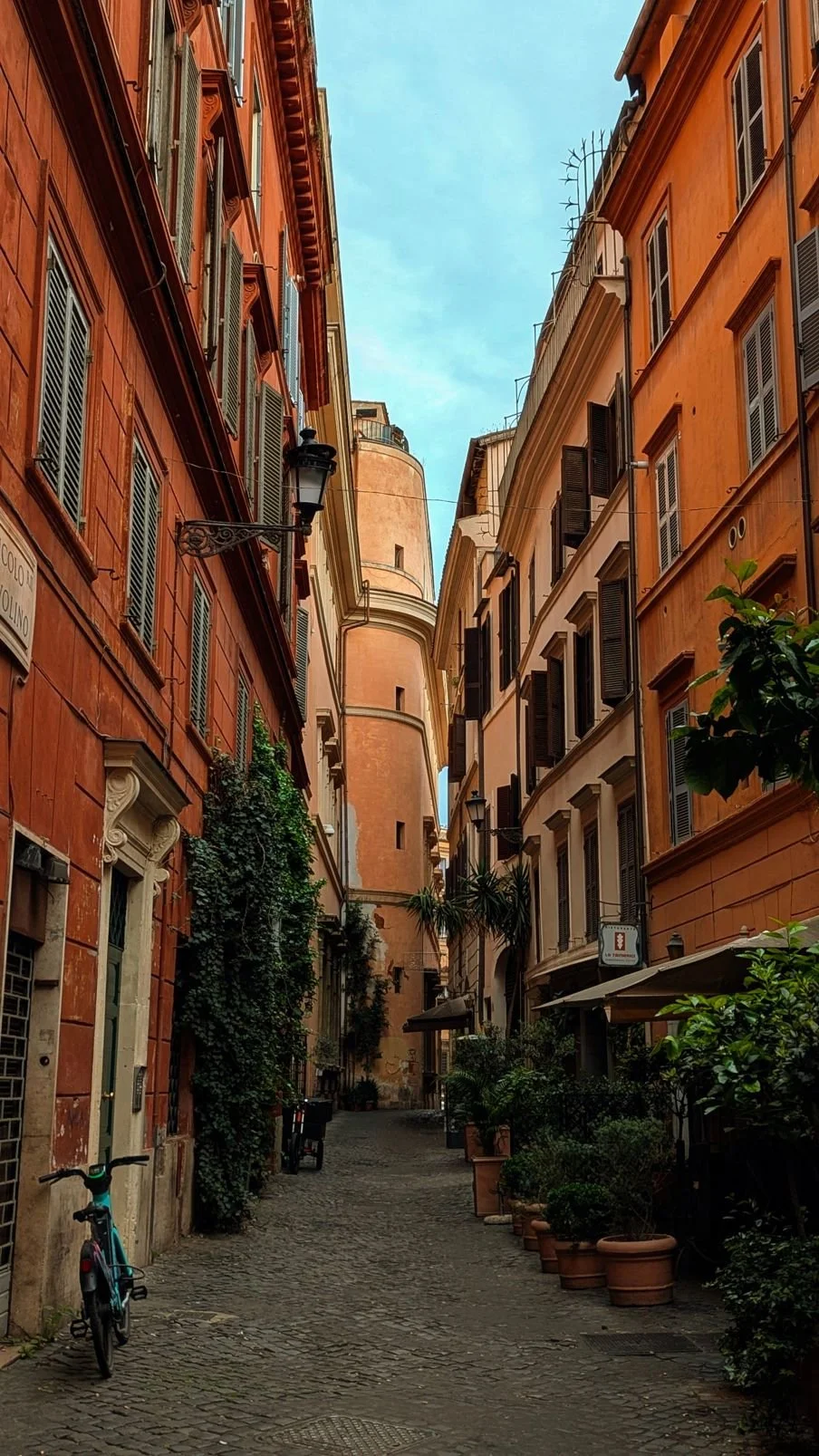
Another worthwhile stop is the Protestant Cemetery, where the poets John Keats and Percy Bysshe Shelley are buried. Its greenery and historic graves provide a striking contrast to the neighbourhood's busy food streets.
Testaccio works particularly well because these places sit within a relatively compact area. Rather than rushing between monumental sights, you can alternate between food, archaeology, contemporary culture and everyday Roman street life.
Why these neighbourhoods reward slower travel
Vila Madalena, Motomachi and Yamate, and Testaccio demonstrate that a walkable neighbourhood does not need to contain a city's most famous landmark. What matters is having enough variety and character within walking distance to make the journey between attractions interesting too.
That is ultimately the best test of a neighbourhood worth exploring on foot: you remember not only where you intended to go, but also what you discovered on the way.
