
How to Preserve Your Travel Memories Beyond Your Phone
Travelers take many photos but rarely view them again after returning home. To preserve these memories, move beyond digital storage. Converting files into physical objects helps you recall specific trip details. Printed photos help you remember specific details, such as the architecture of a cathedral in Rome or a market in Tokyo. Select your best images and print them to create a permanent record of your trip.
1. Curating a Professional Gallery Wall with Fine Art Prints
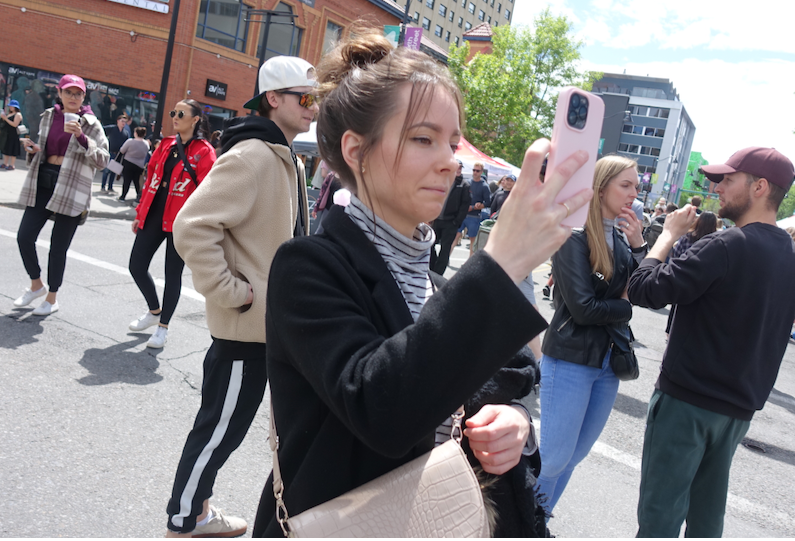
You can use large photos to decorate your home and display your travel photos. Do not keep your best images only in cloud storage. Pick your favorite pictures and turn them into wall art. Professional printing services keep the colors and textures of your original files correct. If you use fine art prints, the quality looks like a professional gallery. This makes it easier to see small details in landscapes or faces in your photos.
To create a cohesive look on your wall, follow these design principles:
Select photos with matching colors to make the display look consistent.
Use the same style of frame for all prints to create a uniform appearance.
Arrange your prints on the floor before you hang them to check the layout.
Group images by region or season to tell a specific story, such as a series of prints showing the art galleries or historic museums you visited.
2. Creating Bespoke Hardcover Travel Journals
Photos show what you saw. Writing captures your thoughts during a trip. Use a journal to record details that photos miss, such as missing a train, talking to a local, or trying a new meal.
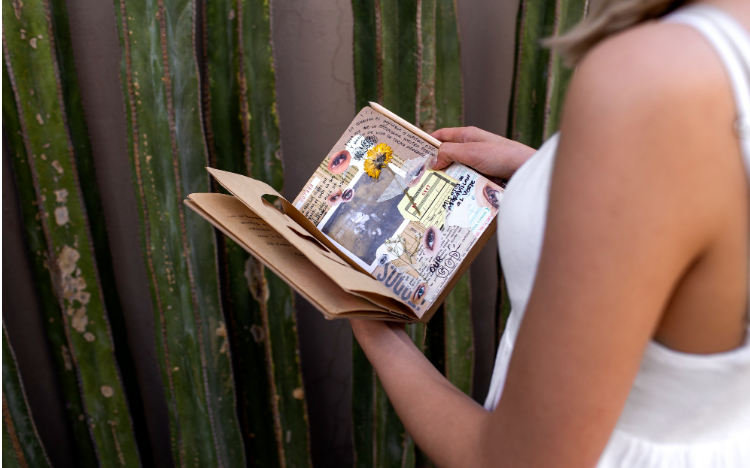
Combining photos with notes creates a complete record. Get a notebook with blank pages. Glue items like train tickets, leaves, or museum stubs next to your printed photos. You can also include receipts from restaurants or brochures from historic walking tours.
Write down your thoughts while they are fresh. These journals are for your personal use. They tell a story that is more specific than online posts and help you reflect on your travel experiences.
3. Designing Custom Photobooks for Storytelling
A custom photobook organizes photos from one trip. A physical book has a clear start and end point. This is different from looking at files on a computer. You can arrange your photos in chronological order from the first day to the last. This keeps your images in one place for easier viewing.
Select specific photos to tell your trip's story rather than including every image. Use large prints for landscapes and smaller photos for daily activities. Record dates, locations, and brief descriptions for each photo to aid recall. Photobooks serve as effective guides for sharing travel experiences, such as shopping areas, cafes, or landmarks, with others. Discussing these images helps reinforce your memory of the events.
4. Crafting Hand-Painted or Custom Maps
Maps track your travel history and show your journey in one place. You can hang a wall map and use pins to mark locations, or hire an artist to draw your route. This shows how different stops connect. You can add detail by tracing your path with thread, drawing monuments you visited, or creating a legend for specific stops like cafes or hidden gems. Noting the dates of your visits helps track how your travel habits change.
5. Curating a Sensory Memory Box
Physical items often trigger trip memories better than photos. A memory box stores collected objects like beach pebbles, restaurant menus, coins, or fabric scraps. These items help you recall specific moments quickly.
Store these items in a glass box on a shelf. Open the box to handle the items when you want to remember a trip. Physical objects feel more real than viewing files on a screen. Choose items that represent each trip. For example, a ticket stub from a monument or a coaster from a local pub can help you remember time spent exploring those places. This method keeps your memories if you lose your photos. You can still review your travel experiences.
Frequently Asked Questions (FAQ)
How do I decide which travel photos are worth printing?
Choose clear, high-resolution images with good lighting that show important moments. Print images that help you remember your experiences.
Is it better to make a photobook or individual prints?
Use individual prints for wall displays. Use photobooks for a complete chronological record of your trip. Many people use both options.
How can I protect my physical travel memories from damage?
Keep items out of direct sunlight to prevent ink from fading. Use acid-free paper for journals and UV-protective glass for picture frames to maintain their condition.
Can I preserve memories if I have a small living space?
Focus on quality instead of quantity. One high-quality print or a small memory box takes up less space and is more effective than many low-quality photos.
What should I do with digital photos that I don't want to print?
Save files in two separate cloud backups to avoid data loss. Create computer folders for your photos so you can find them for future projects.
