
Pack Like a Pro: Essential Packing Tips for Every Trip
Smart packing transforms any journey from stressful to smooth. Thoughtful choices before you leave home save money, protect your belongings, and give you freedom to move easily through stations, airports, and crowded streets. When bags feel organized and light, you reach your destination with more energy for exploring instead of sorting through clutter.
Rising travel numbers make this skill more valuable every year. Global air traffic in 2023 reached about 94 percent of its pre-pandemic level, with total passenger traffic up nearly 37 percent compared with 2022. More travelers in the sky means more queues, stricter baggage checks, and plenty of chances to pay extra fees. Packing with a plan gives you more control in that busy environment.
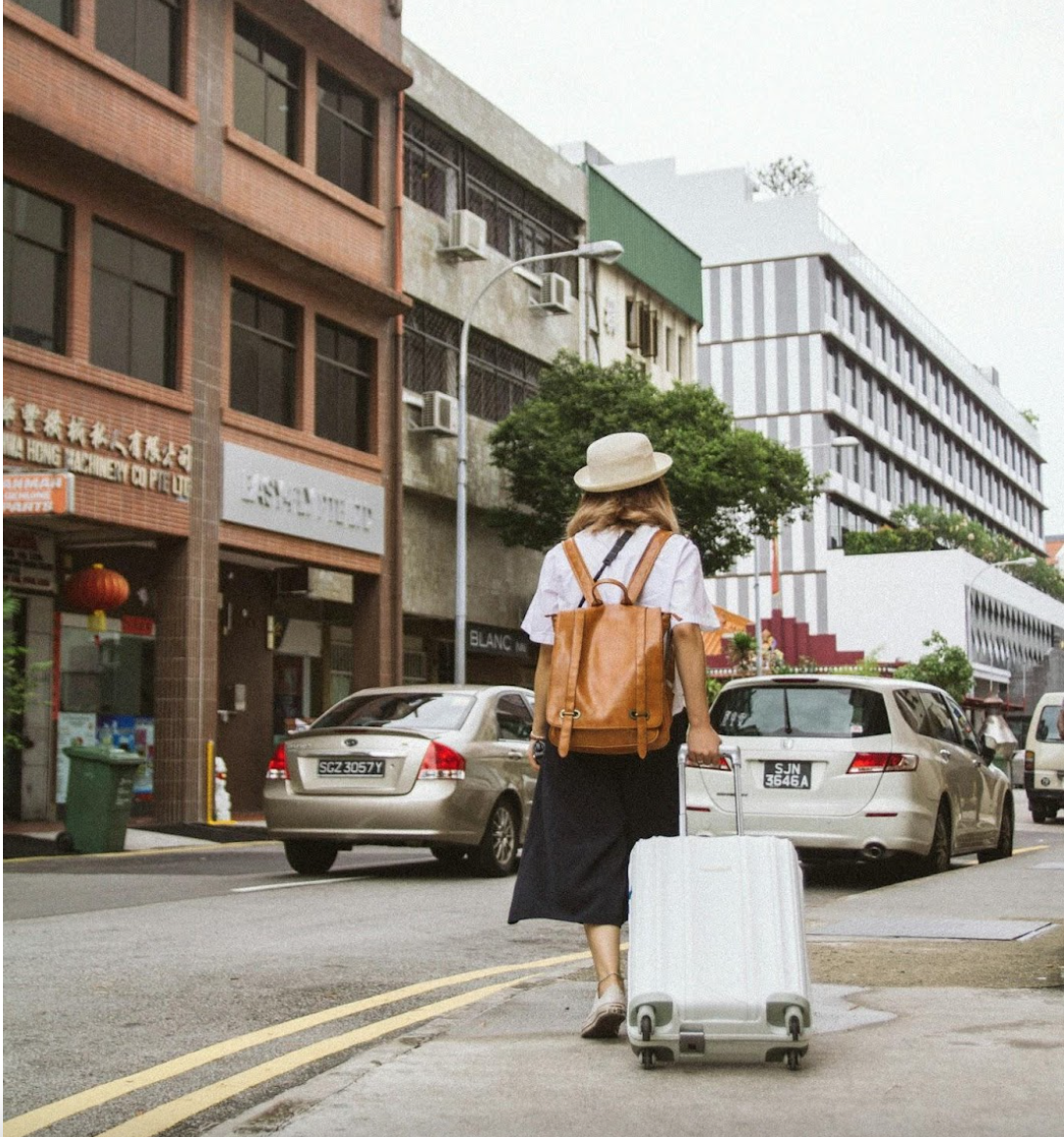
Understand Your Trip and Baggage Rules
Clear insight into your itinerary sets the tone for every packing decision. Trip length, climate, and planned activities all shape what truly deserves a place in your bag. A three-day city break, a two-week beach holiday, and a business conference create very different wardrobe and gear needs. When you match items to real plans, you cut out “just in case” extras that never leave the suitcase.
Airline rules add another layer. Each carrier sets limits for size, weight, and number of bags, and these rules can change between tickets on the same route. Travelers often treat these limits as an afterthought, which leads to repacking at the check-in counter or paying surprise charges. A quick check of current policies before you pack helps you choose the right case and avoid stressful last-minute decisions. Baggage fees reach high numbers worldwide, and some reports estimate that travelers lost more than 2.8 billion dollars in one year to preventable packing mistakes, including overweight bags and forgotten basics.
Choose the Right Luggage and Carry System
Your choice of luggage shapes how easy each connection feels. Many travelers upgrade to travel backpacks to keep both hands free and stay within strict carry-on limits. A well-designed pack or case distributes weight evenly, protects fragile items, and glides smoothly through terminals and city streets.
Quality matters more than flashy features. Strong zippers, water-resistant fabric, and solid wheels or shoulder straps withstand rough handling and crowded overhead lockers. Surveys show that luggage companies now produce a wide range of lightweight hard-shell and soft-shell cases, carry-ons, and hybrid bags, a shift that follows rising demand for durable yet easy-to-lift options. Travelers who plan to walk long distances with their bags often choose streamlined designs rather than oversized suitcases with empty space. That choice protects joints, keeps total weight under control, and gives more flexibility on small planes or trains.
Interior layout deserves attention as well. Divided compartments, compression straps, and zippered pockets reduce movement inside the bag and keep outfits crease-free. Packing cubes or pouches give each category a home, which makes unpacking in a hotel or hostel much quicker. Thoughtful structure saves time every single day of a trip.
Build a Versatile Travel Wardrobe
Clothing takes up most of the space in many suitcases. A versatile travel wardrobe focuses on pieces that mix and match easily, dry quickly, and feel comfortable in different settings. Neutral colors, simple patterns, and breathable fabrics create outfits that transition from sightseeing to dinner with a quick change of shoes or accessories.
A practical rule relies on outfits rather than single garments. Each top should work with several bottoms, and shoes need to match multiple looks. Three or four main outfits often cover a weeklong holiday when you include laundry options. Survey data on packing habits shows that about thirty-two percent of travelers identify overpacking as their biggest mistake, a habit that often leads to heavy bags and extra fees. A tight, well-coordinated wardrobe reverses that trend and still leaves you feeling prepared.
Layers add flexibility without bulk. A light insulated jacket, a packable rain shell, and a warm mid-layer handle shifting temperatures on planes, trains, and outdoor excursions. You can add or remove pieces as conditions change instead of hauling separate bulky coats.
Organize Toiletries and Personal Care Items
Toiletries create leaks, weight, and clutter when you pack them without a plan. Travel-size containers for shampoo, conditioner, and lotion cut weight and pass security screening for carry-on bags. Refillable bottles reduce waste and let you bring products that suit your skin or hair rather than relying on unfamiliar hotel brands.
A clear, zippered pouch makes security checks smoother and protects the rest of your bag from spills. Place liquids together, then keep solid items such as deodorant, toothpaste tablets, and bar soap in a separate section. A small hanging toiletry bag can sit on a hook in tight bathrooms and keeps everything visible. Surveys of more than 1,000 travelers show that people forget an average of two essential items per trip, with toothbrushes and chargers near the top of the list, so a simple checklist for toiletries and grooming items pays off.
Pack Smart for Tech and Travel Documents
Modern travel almost always includes devices, chargers, and adapters. Phones, cameras, tablets, and laptops support navigation, communication, and work on the road. At the same time, each piece adds weight and risk. You gain more control when you decide which devices you truly need for the trip instead of defaulting to “everything.”
A compact tech pouch keeps cables, chargers, and adapters together. Label each cable or use colored ties so you can find the right one quickly in a dim airplane cabin or hostel dorm. Universal adapters with multiple USB ports reduce bulk and allow you to charge several devices from one outlet. Airlines and rail operators now provide power outlets on a growing share of seats as travel demand rises, so a single long cable or small extension cord often solves charging challenges.
Balance Weight, Access, and Security
Smart packing balances three goals at once: low weight, easy access, and strong security. Heavy bags slow you down, raise transport costs, and strain joints. Frequent movement through airports and stations magnifies every extra kilogram. Many airlines charge triple-digit amounts for overweight bags, and recent analysis linked billions of dollars in wasted money to overpacking and last-minute baggage fixes.
Heavier items sit near the wheels or against your back if you use a backpack. That placement stabilizes the load and keeps the bag from tipping. Lighter items fill the top and outer pockets. Daily essentials such as a light jacket, headphones, and snacks sit near the front or top so you can reach them without unpacking the entire case on the terminal floor.
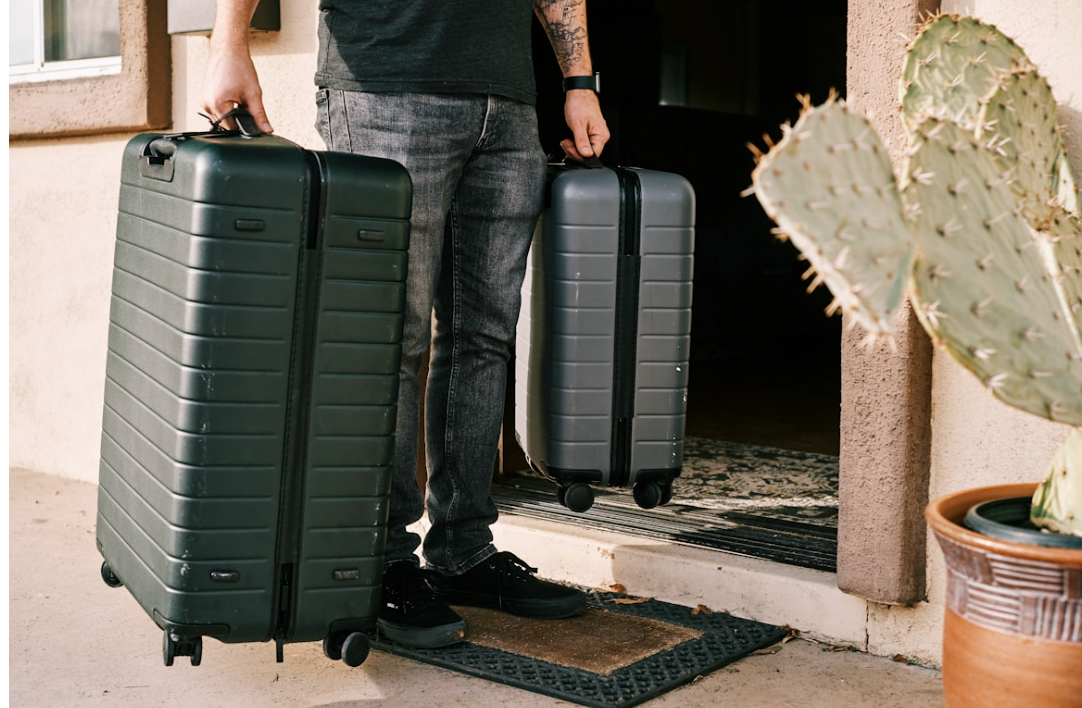
Thoughtful packing turns every journey into a more relaxed experience. A clear understanding of your itinerary, the right luggage, and a lean wardrobe set the base for light, functional bags. Organized toiletries, carefully chosen tech, and well-protected documents reduce stress from security checks to hotel check-ins. Balanced weight, simple laundry options, and a proven checklist keep your focus on new places and experiences rather than on your suitcase. With a reliable system in place, you travel with more confidence, fewer fees, and bags that work with you instead of against you.
