
The Digital Side of Canada's Tourism Boom: How Small Operators Get Found
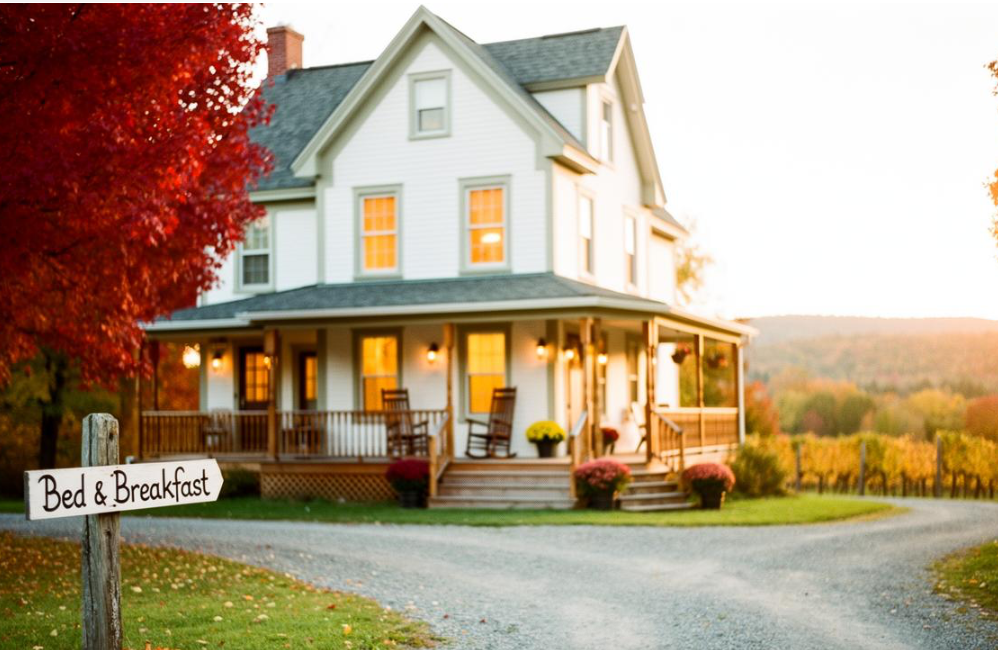
Canada's tourism industry is thriving, but the way travellers discover experiences has fundamentally changed. Nobody walks into a travel agent anymore - they search online, scroll through results, and book within minutes. For small operators across the country - kayak outfitters in Tofino, family-run B&Bs in rural Quebec, fishing guides in Newfoundland - the challenge isn't delivering a great experience. It's getting found in the first place.
The Visibility Problem
Search for almost any Canadian travel experience and you'll see the same names dominating the first page: Expedia, TripAdvisor, Viator, Airbnb. These platforms have massive domain authority and marketing budgets that independent operators simply can't match.
The result? A fantastic whale-watching tour in the Bay of Fundy or a boutique inn in Prince Edward County gets buried on page five of Google - if it appears at all. Many small operators have resigned themselves to listing on OTAs and handing over 15-20% commissions on every booking, eroding already thin margins.
But not all of them. The operators thriving right now have figured out something important: how to drive direct bookings by showing up where travellers are actually searching.
What's Actually Working
The independent tourism businesses gaining ground tend to focus on a few key areas.
Local SEO is the foundation. A complete Google Business profile with photos, reviews, and accurate details helps operators appear in 'near me' searches and map results. For travellers already in a region looking for things to do, this is often where decisions get made.
Content is another lever. Operators who blog about their destination - not just their service - tend to rank for broader searches. A fishing guide writing about the best spots on the Miramichi River or a B&B owner sharing hidden gems in their region creates entry points for travellers still in the research phase.
Backlinks matter more than most operators realise. Getting featured on travel blogs, regional tourism websites, and local media builds the domain authority needed to compete with the big platforms. Many operators are turning to link building in Canada to build the credibility that helps them rank alongside much larger players.
Across the Country, Same Story
The pattern repeats from coast to coast.
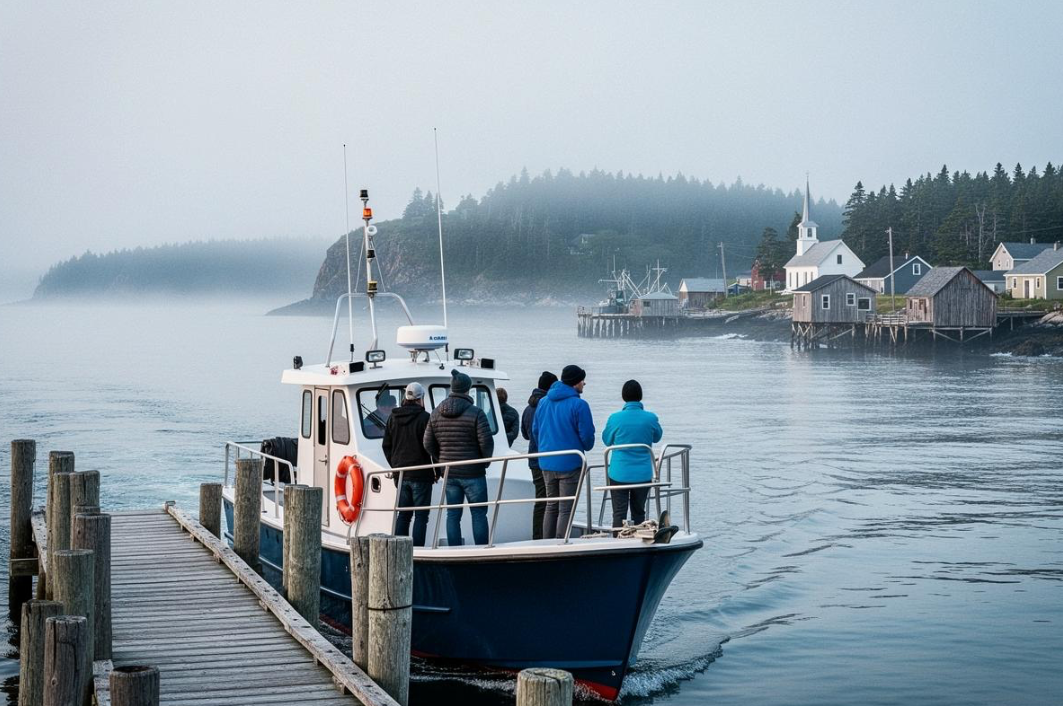
On the East Coast, small tour operators along Nova Scotia's popular tourist routes compete with major cruise ship excursion packages. The ones with strong local search presence and a handful of quality backlinks from travel publications are capturing independent travellers who want something more authentic.
In British Columbia, adventure tourism is booming - but so is competition. Kayak tours, eco-lodges, and wildlife operators around Vancouver Island and the Sunshine Coast are increasingly investing in their digital footprint rather than relying solely on word-of-mouth.
In Ontario and Quebec, the story is similar. Boutique wineries, agritourism farms, and rural retreats struggle against the visibility of bigger attractions. Those building an online presence beyond just a Facebook page are seeing direct bookings climb.
Discovery Comes First
Canada's tourism strength lies in its independent operators - the local guides with decades of knowledge, the family-run inns with character no chain hotel can replicate, the small outfitters offering experiences you won't find on a generic platform.
But the best experience in the world doesn't matter if travellers can't find it. The operators who invest in being discoverable online are the ones who'll still be around in five years. For Canada's tourism industry, their survival isn't just good business - it's what keeps travel here interesting.
