
Introduction
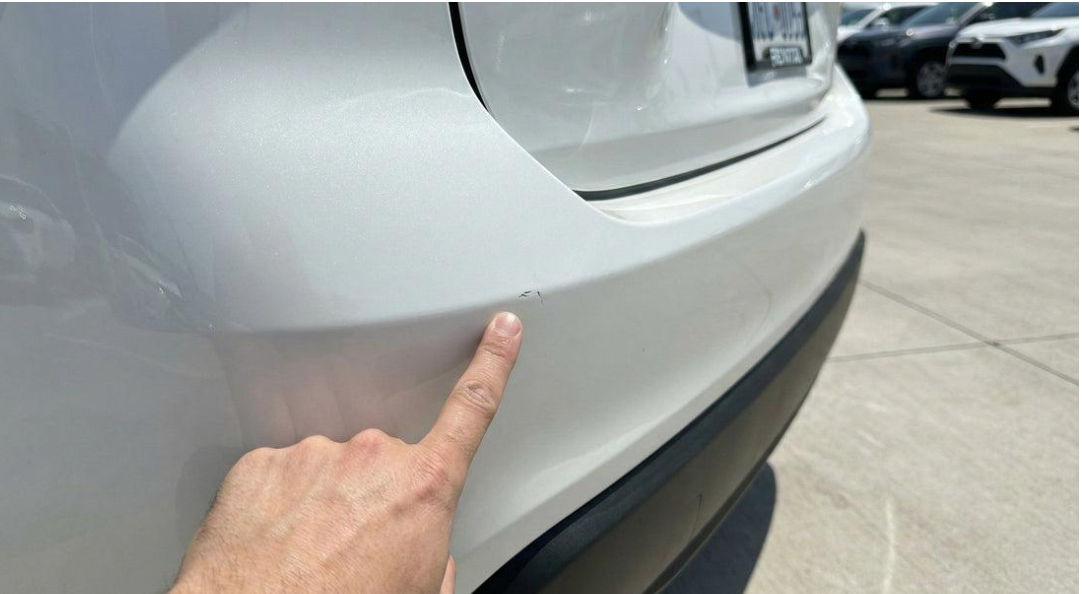
Whether you’re planning a cross-country adventure, a weekend getaway, or a business trip, renting a car can sometimes feel like a tightrope walk; one slight misstep could lead to unexpected expenses. Minor car damages often translate into hefty bills not because they result in extensive repairs, but because of complex rental agreements and insufficient documentation. Understanding how to navigate this landscape is vital to avoiding unwarranted costs. In this article, we'll explore why those small scratches could become big charges and arm you with strategies to safeguard yourself.
This pattern is not anecdotal. According to CarInsuRent, a leading provider of rental car insurance solutions, minor cosmetic damage such as scratches, scuffs, and small dents accounts for a significant share of global rental claims. In many cases, the actual repair cost is modest, but administrative fees, downtime charges, and contractual excess amounts inflate the final bill dramatically.
Understanding Rental Car Agreements
The Fine Print: Hidden Charges You Need to Know
When renting a car, the fine print in your rental agreement can often be a minefield of hidden charges. These can range from admin fees, additional driver costs, penalties for minor damages, and even surcharges for returning the vehicle early or late. Knowing these details before you sign can save you from unwelcome surprises. One study found that customers often overlook clauses related to fuel policies and airport surcharges, resulting in unexpected costs upon drop-off. To protect yourself, always ask for a detailed breakdown of potential fees when booking and clarify any ambiguous terms.
Inspecting Your Rental Thoroughly
Key Areas to Examine Inside and Out
Thoroughly inspecting your rental car can prevent future headaches. Start with the exterior; examine the body for scratches, dents, or paint chips. Pay special attention to the bumpers, doors, and wheels, as these areas are prone to damage. Inside the vehicle, check the upholstery for stains or tears, verify the functionality of the lights and controls, and ensure all accessories are present and working, such as GPS devices or charging ports.
Don’t forget to check the condition and pressure of the tires, as well as any spare tire or tools provided. Taking the time to document these aspects might seem tedious, but it can protect you from disputes later.
The 2025 Rental Car Insurance Claims Trends Report highlights a key issue renters underestimate: the gap between visible damage and financial liability. While the physical damage may be minor, the contractual excess applied by rental companies often ranges between €1,000 and €3,000, meaning even a small scratch can trigger a major charge.
Documenting Pre-Existing Damage with Photos and Videos
Interestingly, the 2025 claims data shows that a substantial percentage of damage claims are not caused by renter negligence. According to CarInsuRent, Parking lot incidents, hit-and-run damage, and previously unnoticed scratches are recurring themes. Yet under most rental agreements, the excess remains fully payable regardless of fault.
Capturing pre-existing damage with photos and videos is a vital step in your rental process. Begin by taking wide shots of the car to establish its overall condition, then move to close-ups of any dents, scratches, or other irregularities. Make sure your photos are time-stamped to serve as concrete evidence should a dispute arise. Videos can complement still photos by providing a comprehensive view of the car's condition, capturing subtle details that might be overlooked in photos.
Be methodical and thorough, covering both the exterior and the interior. These visual records can be your best defense against claims of damage after you return the car. Share the documented evidence with the rental company immediately to ensure they acknowledge the pre-existing conditions.
Insurance Insights for Peace of Mind
Overview of Common Insurance Options: LDW, CDW
Understanding your insurance options, such as Loss Damage Waiver (LDW) and Collision Damage Waiver (CDW), is crucial when renting a car. LDW covers any losses related to theft or damage to the vehicle, essentially waiving your financial responsibility for such incidents. CDW is similar but specifically covers the costs of damages after a collision. While these waivers can offer peace of mind, they often include exclusions that you should review, such as damages resulting from reckless driving or driving under the influence.
Renters often find these waivers helpful, as they protect against potentially high repair costs. However, these options can significantly increase the overall rental cost.
Consider your travel plans, driving conditions, and current insurance coverage to determine if these waivers align with your needs. Always compare them against what your personal auto insurance or credit card may already cover.
When Personal Auto Insurance Comes Into Play
Your personal auto insurance policy might offer coverage for rental cars, potentially saving you additional fees for rental-specific coverage. Policies usually cover rental vehicles similarly to how they cover your own car, including liability, collision, and comprehensive coverage. It's vital to check with your insurance provider to understand the extent and limits of this coverage, as international travel or rental of certain vehicle types may not be included.
Additionally, your deductible will apply in the event of a claim. Verifying your coverage can help you decide whether to decline the rental company's insurance options confidently.
Understanding these details can help ensure you’re adequately protected without paying extra fees unnecessarily. Confirm all details with your insurance agent and have documentation ready when you head to the rental agency.
Third-Party Insurance - Is It Worth It?
Third-party insurance can be an attractive option for covering rental cars, often offering competitive rates compared to rental company policies. These plans typically include comprehensive coverage for theft, damages, and even personal accident protection, with the added benefit of lower premiums. However, you must weigh these advantages against potential drawbacks, such as more complex claims processes and the necessity of paying upfront in the event of damage, requiring reimbursement later.
For those who travel frequently or rent cars often, third-party coverage can be a cost-effective way to achieve peace of mind. CarInsuRent, for example, offer annual coverage for as low as US$129.90.
Before opting for third-party insurance, research the specifics of coverage, exclusions, and the process for claims handling. It's especially useful if your personal insurance does not extend coverage to rental vehicles or if you wish to avoid depleting your personal policy limits.
Effective Documentation Strategies
Gathering Necessary Information and Paperwork
When renting a car, assembling the necessary information and paperwork is crucial for a hassle-free experience. Start by gathering your driver's license, credit card, and personal insurance details, as these are typically required at pick-up. It's also wise to bring any confirmation emails or documents regarding your reservation and proof of insurance, whether it is your personal policy or a third-party provider.
Ensure that you fully understand all the terms included in your rental agreement and keep a copy readily accessible. Take notes of conversations with rental representatives, particularly any verbal agreements or exceptions made, and request written confirmation whenever possible.
Having comprehensive documentation on hand will be invaluable if there's a need to resolve disputes, track additional charges, or verify terms agreed upon during the rental period. This proactive organization ensures you are prepared for any scenario that might arise.
How to Use Your Documents if a Dispute Arises
When a dispute arises over car rental charges, documentation becomes your best ally. Begin by calmly reviewing all relevant documents, including the rental agreement, inspection reports, and any photographic or video evidence. Present these materials as proof of your claims, whether contesting damage charges or disputing additional fees. Ensure your correspondence with the rental agency is documented, keeping copies of emails or letters sent and received.
Clearly articulate your position supported by tangible records and highlight any discrepancies noted in their claims compared to your evidence. If the dispute involves insurance, coordinate with your provider, providing them with all necessary paperwork to facilitate their intervention.
Using these documents effectively ensures a structured and evidence-based approach to resolving conflicts, increasing your chances of a favorable outcome and minimizing further complications.
Proactive Tips to Avoid Unnecessary Charges
Best Practices During Pick-Up and Drop-Off
Ensuring a smooth rental experience begins with diligent pick-up and drop-off practices. At pick-up, conduct a thorough inspection of the vehicle, noting any pre-existing damage and ensuring the car's accessories are functional. Use a detailed checklist to guide your inspection, and document conditions with time-stamped photos or videos for reference. Confirm that all agreed terms and conditions match your expectations before driving away.
At drop-off, follow similar steps by re-inspecting the car, ensuring it's in the condition you received it. Return the vehicle with a full tank, if applicable, and within any specified mileage limits to avoid extra fees.
Communicate any concerns immediately to the rental staff, and obtain a final inspection report and receipt of return. These practices help ensure transparency, reducing the chance of disputes or unexpected charges post-rental.
Avoiding Extra Fees with Returning Protocols
Avoiding extra fees when returning your rental car involves adhering to a few key protocols. Firstly, ensure the vehicle is refueled according to the rental policy—failing to do so can lead to high refueling charges. Check the car's interior for any personal belongings and cleanliness to avoid valet or detailing fees.
Return the vehicle on or before the stipulated time to prevent late return surcharges. Verify that all accessories, like GPS units or child seats, are present and undamaged. Some companies may charge for missing items upon return.
Consider requesting a return receipt or final inspection documentation from the staff to confirm that no new damage has been noted.
These steps are straightforward yet effective in ensuring you don't incur unnecessary costs, making your rental experience financially smoother and more satisfactory.
Navigating Disputes and False Claims
Steps to Take if Wrongfully Charged for Damages
If you believe you've been wrongfully charged for damages, immediate action is key. Start by reviewing your rental agreement and all related documentation, such as pre- and post-rental inspection reports and photographs. Gather any time-stamped evidence, which can be critical in supporting your case.
Contact the rental company's customer service as soon as possible. Clearly explain the situation, providing your documentation and evidence to support your claim. Remain calm and assertive while requesting a thorough review of your charges.
If the issue isn't resolved promptly, escalate the matter to a manager or the company’s corporate headquarters. You can also dispute the charge with your credit card company, providing them with all relevant evidence.
In persistent cases, seek advice from a consumer protection agency or legal professional, who can offer guidance on formal complaints or legal actions.
Legal Recourse and Consumer Protection Agencies
If a dispute with a rental car company remains unresolved, legal recourse and consumer protection agencies can be instrumental. Begin by contacting agencies like the Better Business Bureau (BBB) or your country's consumer protection office to lodge a formal complaint. These organizations can mediate between you and the rental company, often with positive results.
You can also consider small claims court if the dispute involves a significant amount of money. The process is designed to be quick and straightforward, allowing you to present your case without the need for an attorney.
Additionally, some credit card companies offer legal assistance for disputes related to transactions made with their cards. They can guide you on legal steps and help resolve the issue.
Engaging with these resources can help ensure fair treatment, offering a sense of justice and potentially recovering unwarranted charges.
Communicating Effectively with Rental Companies
Effective communication with rental companies starts with clarity and professionalism. When raising any concerns or questions, clearly state your purpose and reference specific details like contract numbers or incident dates. Documentation is crucial; back up your claims with evidence, such as photographs or emails, to strengthen your position.
When speaking with representatives, maintain a calm and polite demeanor, even if the situation is frustrating. This approach helps create a positive conversation where resolution is more likely.
Follow up written or verbal communications promptly with a summary via email to ensure there’s a record of the conversation. Ask for each representative’s name and reference numbers to maintain a clear paper trail.
By remaining composed and organized, you can facilitate more productive discussions, leading to quicker resolutions and a more favorable outcome.
Embracing Technology in Rental Processes
How AI and Digital Tools Simplify Inspections
AI and digital tools have revolutionized the way you can inspect rental cars, offering convenience and precision that manual methods may lack. With AI-powered apps, you can quickly scan and capture high-quality images of the vehicle, automatically detecting pre-existing damages such as dents, scratches, and paint chips. These tools advantageously reduce the risk of oversight and provide a standardized inspection process.
Digital platforms also enable efficient documentation by automatically organizing and timestamping photos and videos for easy retrieval. Some smart apps connect directly to rental companies, uploading inspection results in real time, ensuring transparency and immediate acknowledgment of the vehicle's condition.
These technological advances make inspections faster and more accurate, minimizing disputes over damages and streamlining the rental process for both customers and companies. They provide you with peace of mind knowing you've covered all bases without leaving room for costly errors.
Innovative Apps for Ensuring a Seamless Experience
Innovative apps play a pivotal role in transforming your car rental experience into a seamless journey. Applications like Turo and Getaround, integrate rental process features like booking, payment, keyless entry and vehicle inspection, all from your smartphone. They enable you to manage your rental from start to finish, ensuring convenience at every step.
Additionally, apps providing navigation, fuel monitoring, or parking assistance cater to situational needs, enhancing user experience by making driving routes, fuel stations, and parking spots more accessible. Utilizing these technological solutions results in a more efficient and stress-free rental process.
Final Thoughts
Minor rental car damage turns into major charges because of how excess structures are written, not because the repair itself is catastrophic. Informed renters who prepare before collecting the vehicle are far less likely to experience financial shock after drop-off.
FAQs
Why is it important to inspect a rental car before driving away?
Inspecting a rental car before driving away is crucial as it helps identify any pre-existing damages, safeguarding you from potential disputes and charges upon return. A detailed inspection ensures accountability and provides documented proof of the car's condition, protecting you from being wrongly held responsible for prior damage.
Can my credit card cover rental car damages?
Many credit cards offer rental car insurance as part of their benefits, potentially covering damages when you decline the rental company's insurance. However, coverage varies, so it's important to verify specific terms and limitations with your credit card provider before relying on it for rental coverage.
What should I do if the rental company accuses me of causing damage I didn’t inflict?
If accused of causing damage you didn't inflict, provide your documented inspection photos and videos as evidence of the car's initial condition. Dispute the claim with the rental company, presenting your evidence clearly. If unresolved, escalate the issue to higher management and consider involving consumer protection agencies.
Are there benefits to using third-party insurance for rentals?
Yes, third-party insurance for rentals often provides broader coverage at competitive rates compared to rental company options. It can save costs if you rent frequently and offers peace of mind with comprehensive protection. However, you may need to pay upfront for claims and seek reimbursement later. Ensure you evaluate coverage details against your specific needs.
