
Why Small-Budget Urban Adventures Make Cities More Memorable
The best city memory often starts without a plan. A bakery window. A mural behind a parking lot. A worn bench facing the river. A side street that looks ordinary until it does not.
That same small-stakes curiosity appears in digital leisure, where guides to penny slots in Canada explain one-cent games, mobile play, basic rules and bonus details for people comparing low-cost entertainment before adding it to a wider fun budget.
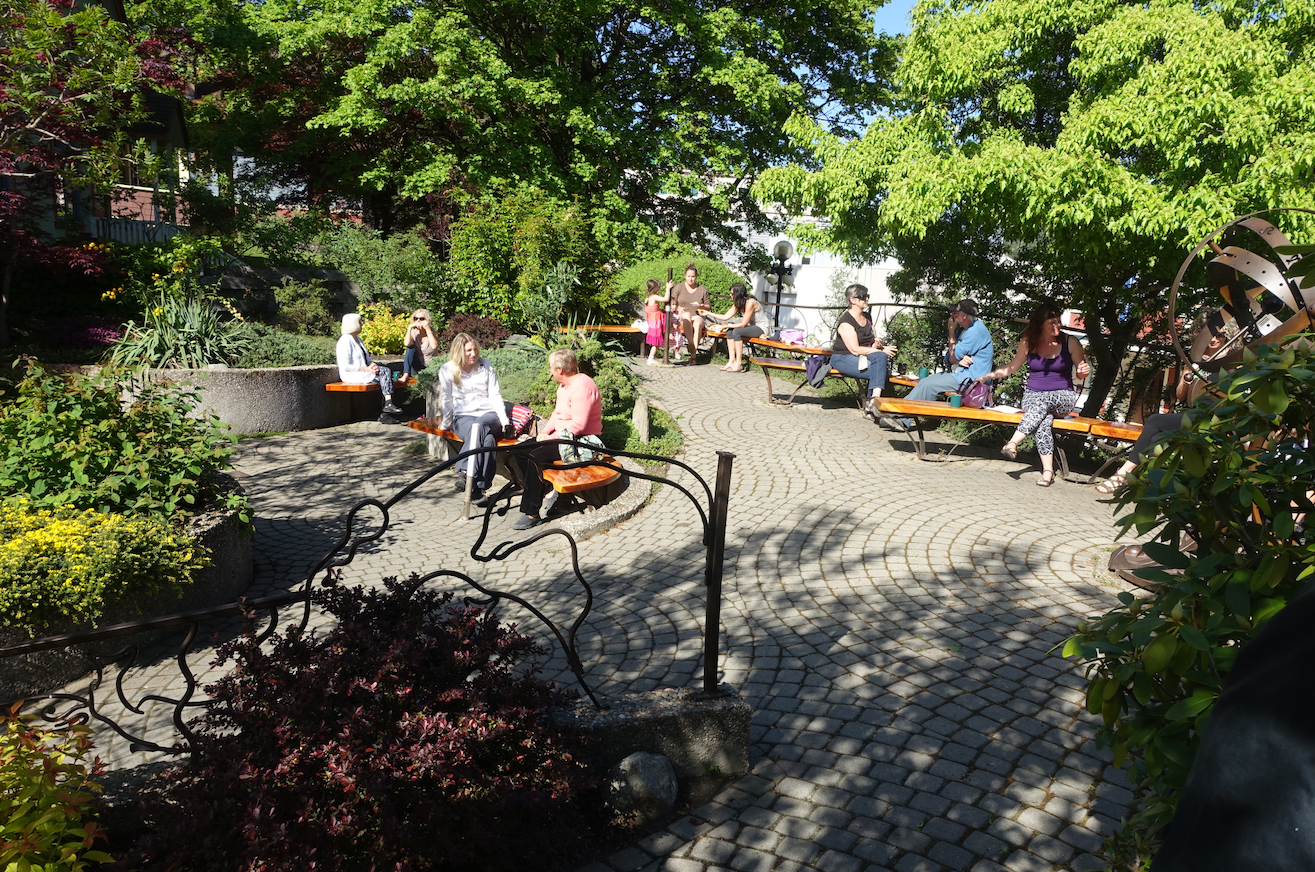
We loved exploring Nelson BC as few years ago. Especially Oso Negro Cafe.
Small spending changes the rhythm of a city day
Urban travel used to revolve around the big stop. The museum. The tower. The famous square. The photo everyone else has already taken.
Those places still matter, but they rarely explain the whole city. Smaller experiences often do that better. A coffee shop with regulars. A market stall with a handwritten sign. A narrow street where old brick sits beside new glass.
Travel costs make this kind of exploring more important. Domestic travellers in Canada spend tens of billions of dollars each year, and transportation often takes the largest share before the actual wandering begins. Once people arrive, smaller choices carry more value.
A memorable low-cost city day can come from simple stops that still feel specific:
coffee from an independent café
a market lunch under a modest budget
a free gallery or public art route
a used bookstore with local titles
a short transit ride to another district
a waterfront or river path walk
a small venue with live music
The appeal is not just the price. Small spending keeps the day loose. It leaves space for another block, another snack, another open door.

Small cities often have interesting heritage buildings and homes, like this one in Revelstoke B.C.
The best discoveries sit between the famous places
Landmarks give a city its public face. The walk between them gives it personality. That is where visitors notice weathered signs, laneways, pocket parks, old theatres and cafés that seem too small for a travel guide.
This kind of exploring rewards people who slow down. Three blocks away from a main attraction, the mood often changes. The sidewalk gets quieter. The shops feel less polished. The city starts sounding like itself again.
Walkability shapes the whole experience. Streets with benches, shade, transit stops, storefronts and safe crossings invite people to keep moving. The city becomes something to read at ground level, not just something to photograph from a viewpoint.
Small-budget wandering also spreads attention. Visitors do not pour every dollar into one district. They buy from bakeries, markets, galleries, corner shops and independent cafés. The trip becomes more local without trying too hard.
Cheap fun keeps curiosity alive longer
A costly attraction can be excellent, but it puts pressure on the day. People expect it to deliver because the ticket price is high. Smaller activities feel easier. They can be tried, enjoyed and left without turning the whole afternoon into a test.
The strongest low-cost urban experiences usually share a few practical traits:
they are easy to reach by foot, bike or transit
they work for short visits
they connect to local habits
they do not require heavy planning
they fit solo travellers, couples and families
they leave room for surprise
Markets show this well. A visitor can stay for ten minutes or two hours. They can buy a pastry, watch the lunch crowd, talk to a vendor or leave with nothing but the smell of bread and coffee in memory.
The same logic applies to free museum nights, public art walks, community festivals, small libraries and old main streets. These places do not shout for attention. They reward it.
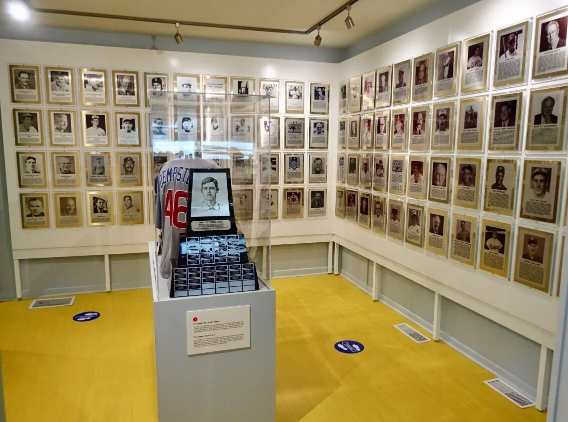
Small towns often have interesting museums, like the Baseball Hall of Fame in St. Mary’s, Ontario.
Neighbourhoods tell better stories than tourist zones
A tourist district shows what a city wants visitors to notice. A neighbourhood shows how people actually live. Morning dog walkers, school crossings, repair shops, bike racks, corner bakeries and barbershops tell quieter stories.
A good neighbourhood walk has rhythm. It starts with movement, pauses for food or coffee, then offers a small reward. A mural. A hilltop view. A shop window. A public square with just enough life in it.
Travellers often remember details that never appear on official maps:
the smell of bread near a market
the sound of skates on an outdoor rink
the colour of a painted garage door
the shape of old warehouse windows
the quiet of a library courtyard
the glow of a diner sign after dark
Those fragments matter because they make one city feel different from another. Without them, travel turns into a blur of hotel lobbies, shopping streets and similar photo stops.
Cities that protect local character gain depth over time. Trees, benches, heritage signs, active sidewalks, independent stores and public art may look ordinary alone. Together, they make streets worth walking twice.
Memorable cities reward people who wander
The best urban day needs a starting point, not a strict script. A map helps. So do comfortable shoes, a transit card and the willingness to follow a street simply because it looks promising.
Small-budget adventures work because they keep visitors alert. A cheap meal can become the best meal of the trip. A side street can explain more than a landmark. A free event can create the memory that survives long after the itinerary is forgotten.
This kind of travel also respects the city. It gives attention to ordinary architecture, local businesses, parks, markets and public spaces. It treats the city as a living place, not a product to finish quickly.
Cities become memorable in layers. The landmark gives the first impression. The neighbourhood adds depth. The small discoveries make it personal. That is why low-cost urban adventures keep working: they turn travel into curiosity, not just spending.
