
Why Small Moments of Wonder Make Travel Feel Alive Again
Travel often gets measured by big landmarks and packed itineraries. Yet the moments that truly bring a trip to life tend to be quieter. A sudden pattern of light on a sidewalk, the unexpected scent of fresh bread drifting from a side street, or the soft rhythm of a local conversation overheard at a crosswalk can shift an entire day. These small sparks of wonder do more than entertain. They reconnect people with the simple pleasure of noticing the world as it unfolds.
In the same way that unexpected turns can heighten the sense of possibility in everyday leisure, including the light-hearted excitement found inonline casinos, travel thrives on those unscripted instants. When the focus moves away from ticking boxes and toward open attention, ordinary places begin to feel charged with possibility. The result is a journey that feels less like a checklist and more like a living experience.
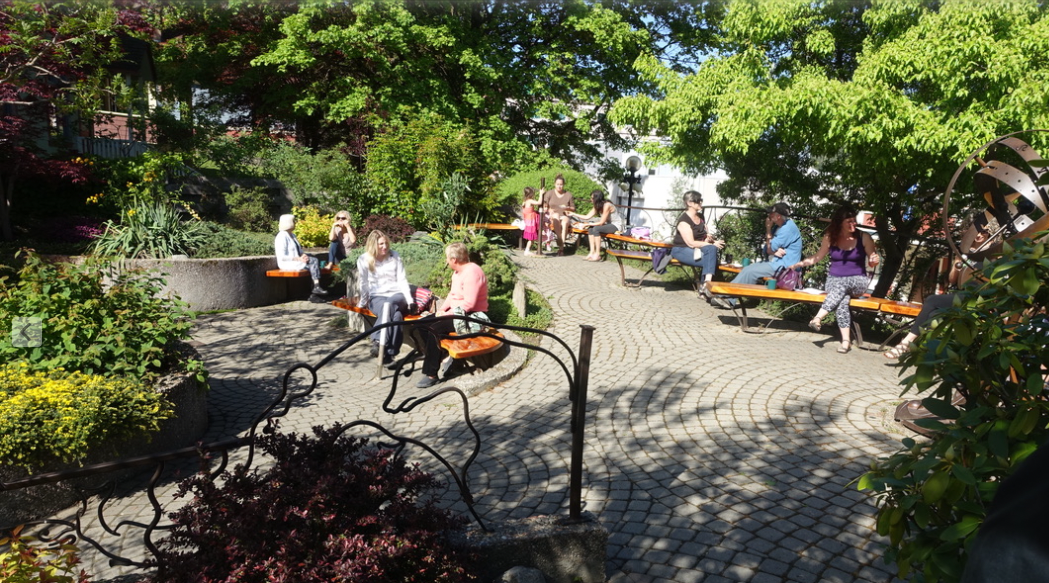
In Nelson BC we found a cafe on a side street with a buzz and decided to grab a coffee and join the locals.
The Quiet Power of Everyday Awe
Research into the emotion of awe shows that it does not require grand vistas or rare events. Psychologists have found that even brief encounters with something that expands the sense of scale—whether a towering tree, a complex piece of street art, or the vastness of a clear night sky—can calm the nervous system and quiet self-focused thoughts. One detailed exploration of this effect describes awe as a kind of mental reset that improves memory for details and encourages more flexible thinking. Readers interested in the science can find a clear overview in thisBBC examination of how awe works on the mind.
These findings matter for travel because most trips contain dozens of such opportunities. A traveler who pauses to watch sunlight move across a building facade or to follow the path of a single bird through a city square is already practicing the kind of attention that research links to greater well-being. The moments themselves may last only seconds, yet their impact can linger long after the trip ends.
Tiny Tourism and the Art of Looking Closer
A growing approach known as tiny tourism encourages exactly this kind of close attention. Instead of racing between major attractions, the idea is to seek out the small, hyper-local details that most visitors overlook. Wandering residential streets to notice window boxes, sampling unfamiliar flavors in a neighborhood shop, or simply watching the flow of daily life in a park can create stronger memories than a hurried visit to a famous monument.
One recent account of trying this style of travel notes that the little things—local packaging, street signage, even the way people queue—often feel more lasting than the big spectacles. The philosophy appears in a thoughtfulBBC Travel piece on tiny tourism, which suggests that skipping the obvious can make a destination feel more authentic and personal. By slowing the pace and zooming in, travelers often discover that the ordinary holds more surprise than expected.
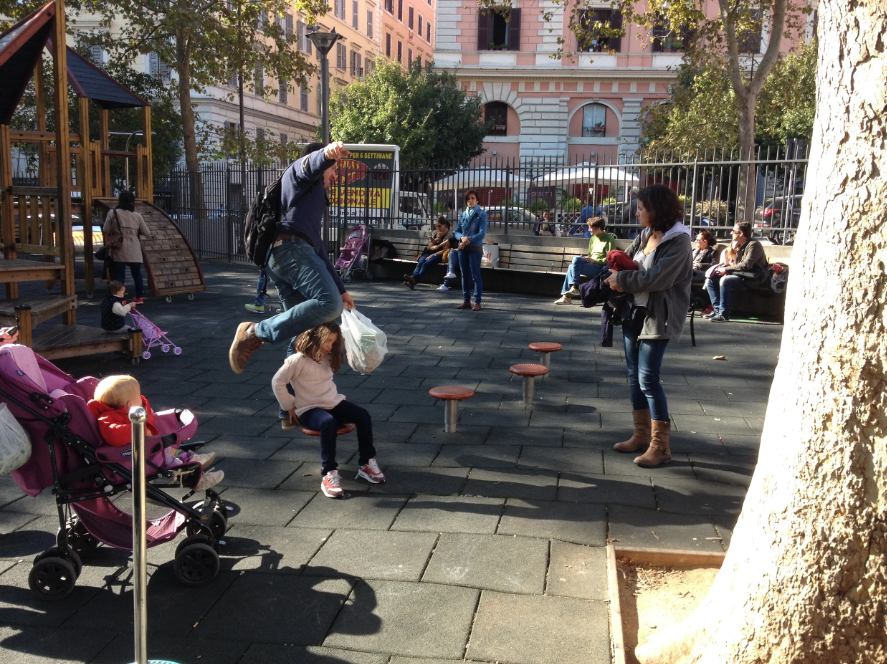
When in Rome do as the Romans do, so we grabbed a sandwich and drink and sat in a local playground and watched the locals play.
Slowing the Pace to Let Wonder Arrive
Speed works against wonder. When every hour is scheduled, the mind stays locked in planning mode and misses the subtle cues that spark delight. Slowing down—lingering on a bench, taking a longer route on foot, or setting aside time with no fixed goal—creates the mental space needed for small moments to register.
Writers who practice slow travel describe how activities such as beachcombing, foraging, or simply sitting with a view can produce a meditative state. Time seems to stretch. The senses sharpen. A ribbon of seaweed, the flash of a bird, or the changing color of the light can suddenly feel significant. These experiences appear in a collection of reflections on thejoys of slow travel published by The Guardian. The common thread is presence: when the pressure to cover ground disappears, the world has room to reveal itself.
Finding Delight in the Unplanned Detour
Some of the most memorable travel moments arrive when plans fall apart. A missed connection, a closed museum, or a wrong turn can open the door to places that never appeared on any list. One traveler’s account of an unexpected layover shows how a day spent in an ordinary airport town became filled with small discoveries—quiet waterfront paths, the simple pleasure of an unhurried meal, the chance to notice lights coming on in the hills. The story, shared by National Geographic, reminds readers that nowhere is so uninteresting that its smallest beauties cannot become a discovery when the eye is ready.
Such detours work because they remove expectation. Without a mental checklist, attention expands. The traveler begins to notice textures, sounds, and human interactions that would otherwise pass unnoticed. In that open state, wonder becomes almost inevitable.
Why These Moments Stay With Us
Big attractions often produce photographs and stories that can be shared easily. Small moments of wonder produce something quieter but more personal. They become private reference points—reminders of a time when the world felt larger and more alive. Over months and years, these memories can surface at unexpected times, bringing a sense of freshness back into daily routines.
The effect is cumulative. Each time a traveler practices noticing the small and the surprising, the capacity for wonder grows. Future trips, even short ones, begin to feel richer. The same city streets that once seemed familiar start to offer new details. Travel itself becomes less about distance covered and more about the quality of attention brought to each place.
In the end, the difference between a trip that feels flat and one that feels alive often comes down to these fleeting instances of recognition. A play of light, a shared glance with a stranger, the unexpected beauty of a quiet corner—these are the elements that turn movement through space into a genuine encounter with the world. By making room for them, travelers keep the sense of possibility that first drew them out the door.
