
A Food Lover’s Weekend Through Montréal
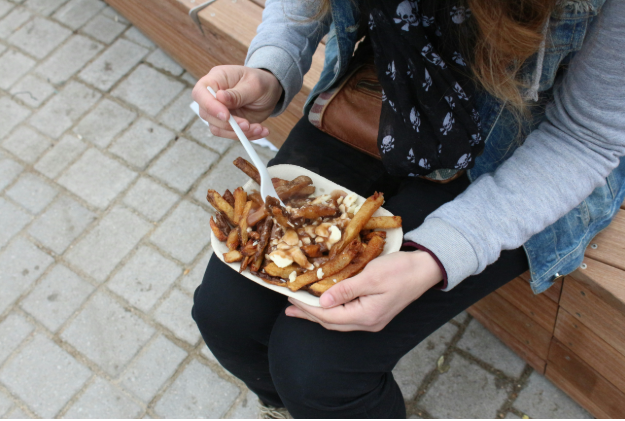
Montréal remains one of North America’s most rewarding cities for travelers who plan their trips around food, neighborhood culture, and walkable local experiences. Beyond the famous smoked meat spots and tourist heavy downtown streets, the city offers smaller cafés, late night bakeries, independent markets, and creative dining scenes that reflect its unique blend of European and Canadian influences.
Part of Montréal’s appeal comes from how naturally different experiences blend together. A single evening can move from wine bars and live jazz to late night bagels or underground cocktail lounges. Even entertainment districts near the city’s Casino area contribute to the city’s energetic nightlife atmosphere without dominating the overall travel experience. For visitors willing to explore neighborhood by neighborhood, Montréal offers far more than a standard weekend getaway.
Mile End rewards travelers who explore slowly
For food focused travelers, Mile End remains one of Montréal’s most interesting neighborhoods. The area combines historic Jewish bakeries, modern cafés, independent bookstores, and small restaurants that locals return to regularly.
Many visitors immediately head toward the famous bagel rivalry between St Viateur Bagel and Fairmount Bagel. Both shops operate within walking distance of each other and offer completely different textures and flavors from traditional New York style bagels. Visiting late at night provides a particularly local experience, as fresh bagels often come directly from the wood fired ovens.
Beyond the bagel scene, Mile End rewards travelers who wander side streets rather than following strict itineraries. Café Olimpico remains one of the neighborhood’s most recognizable espresso spots, especially during warmer months when outdoor seating fills quickly.
A lesser known stop nearby is Drawn & Quarterly, an independent bookstore specializing in graphic novels and literary publications. The shop reflects the artistic atmosphere that still defines much of Mile End despite increasing tourism and development.
For dinner, several smaller restaurants along Avenue du Parc and Boulevard Saint Laurent offer more intimate alternatives to downtown dining districts. Many feature seasonal Québec ingredients alongside Mediterranean or French influences.
The best approach in Mile End is simply allowing time for spontaneous stops. Small bakeries, record stores, wine bars, and vintage shops appear throughout the neighborhood and often become the highlights visitors remember most.
Little Italy mixes tradition with modern Montréal
Located just north of Mile End, Montréal’s Little Italy offers a completely different atmosphere while remaining easily accessible on foot or by metro. The neighborhood centers around Jean Talon Market, one of the largest public markets in North America.
Morning visits work best because local vendors begin setting up fresh produce, cheeses, seafood, and baked goods early in the day. Unlike some heavily commercial tourist markets, Jean Talon still feels strongly connected to everyday Montréal life.
One overlooked detail is the number of specialty grocers surrounding the market itself. Smaller family owned stores nearby often carry imported ingredients and homemade products that visitors rarely discover if they stay only within the central market space.
Coffee culture also plays a huge role in Little Italy. Traditional Italian cafés remain common throughout the area, many serving longtime local residents alongside younger creative crowds moving into the neighborhood.
Travelers interested in architecture should also spend time walking residential side streets around Rue Dante and Boulevard Saint Laurent. Colorful staircases, older duplex buildings, and quiet parks provide a slower pace than Montréal’s busier downtown districts.
For evening dining, several restaurants blend classic Italian cooking with contemporary Montréal style presentation. Reservations are often necessary on weekends because many smaller restaurants have limited seating.
Griffintown shows Montréal’s changing food scene
Griffintown represents a newer side of Montréal’s dining culture. Once an industrial district, the neighborhood has transformed into one of the city’s fastest growing culinary and nightlife areas.
The Lachine Canal plays a major role in the neighborhood’s atmosphere. Walking paths along the water create a quieter contrast to the modern condominium developments and busy restaurants nearby. Sunset walks here offer some of the city’s most underrated urban views.
Food options in Griffintown lean more contemporary than in older Montréal neighborhoods. Restaurants frequently experiment with fusion menus, local craft beverages, and modern interior design concepts.
Atwater Market, located near the edge of the district, deserves special attention. While tourists often prioritize Jean Talon Market, many Montréal residents prefer Atwater for its calmer atmosphere and strong selection of Québec cheeses, pastries, and specialty foods.
One lesser known experience nearby involves exploring the smaller streets behind Rue Notre Dame after dinner hours. Several hidden cocktail bars and late evening cafés remain relatively unknown to short term visitors focused only on central nightlife districts.
Griffintown also works particularly well for travelers who enjoy combining food experiences with architecture and urban exploration. Historic industrial buildings stand beside modern developments, creating one of the city’s most visually distinct neighborhoods.
What makes Montréal especially rewarding for food focused travel is the way each district maintains its own personality. Rather than concentrating all major attractions in one central area, the city encourages visitors to explore slowly, neighborhood by neighborhood. That layered experience is exactly why many travelers return to Montréal repeatedly and still discover something new every time.
