
A Winter Weekend in Quebec City's Old Town
Quebec City's Old Town in winter is one of the best reasons to fly east from anywhere west of Ontario. The cobblestones hold snow in ways that make every alley look like a postcard, the cafés feel warmer because you've just been outside, and the craft shops stay open later than you'd expect on a weekday afternoon. A weekend is enough to cover the ground, find a few favourites, and walk away wanting another trip.
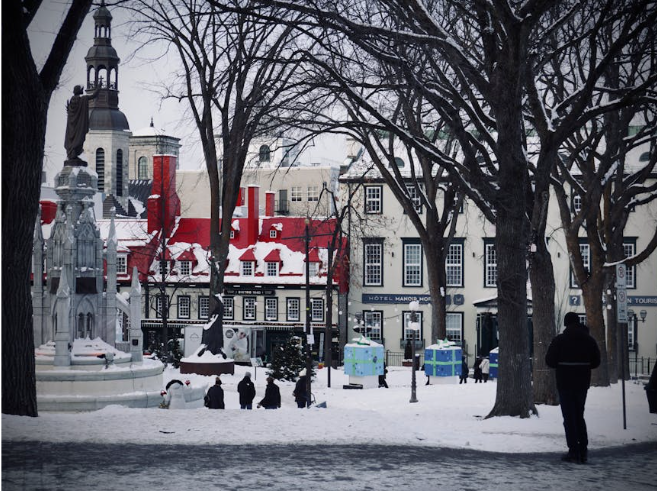
Snow-covered cobblestone street in Quebec City's Old Town in winter. Photo by Yazmin Roman on Pexels
This is a walking-first guide. Old Quebec is compact enough that you don't need a car inside the walls,, though travellers driving east from the Prairies sometimes stock up on tax-free essentials through retailers like Save On Smokes before setting out on longer road trips. Bring the warmest coat you own and plan on stopping often.
This is a walking-first guide. Old Quebec is compact enough that you don't need a car inside the walls,, though travellers driving east from the Prairies sometimes stock up on tax-free essentials through retailers like Save On Smokes before setting out on longer road trips. Bring the warmest coat you own and plan on stopping often.
Where Should You Start Your Walking Loop?
Begin at Place Royale in Lower Town. The square sits at the base of the cliff that separates Lower and Upper Town, and it's where Samuel de Champlain set up the original settlement in 1608. The stone buildings around the square have been continuously lived in or traded from for over four hundred years.
From Place Royale, climb the Escalier Casse-Cou (the "Breakneck Stairs") up to Upper Town. The name is earned, especially in January. Once you're up, Terrasse Dufferin opens out along the cliff edge with views over the St. Lawrence River. The toboggan run at the far end of the terrace runs most winter weekends for a few dollars and about five seconds of actual ride.
Loop back through Rue Saint-Jean for the pedestrianised shopping stretch, then drop back to Lower Town via a different street. The loop takes two to three hours depending on how often you stop.
Which Cafés Are Worth Sitting In?
Quebec City cafés are an essential part of the winter experience. The city has a deep coffee culture shaped by its French heritage, and sitting down for an hour is part of the rhythm rather than an interruption. If you enjoy this kind of slow walking-plus-café city, Victoria's hidden gems guide covers a similar rhythm on the other coast.
A few favourites worth the detour:
Paillard Café Boulangerie on Rue Saint-Jean, big windows, warm light, pastries that actually taste French
Smith Café in Lower Town, small room, serious espresso, quiet enough to read
La Maison Smith at Place Royale, multiple rooms, ideal for a longer stop after a long walk
Nektar Caféologue on Saint-Joseph, a little out of Old Town but worth the walk for the single-origin pour-overs
Most of these are open by 7 AM and stay busy through the afternoon. The pattern is simple: walk, warm up, walk again.
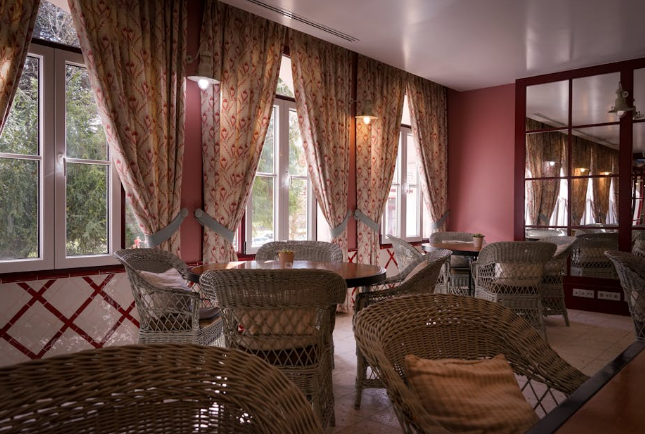
Warm interior of a French-Canadian café with pastries and coffee. Photo by Alexandre Moreira on Pexels
What Craftspeople and Galleries Should You Visit?
Old Quebec has managed to keep genuine craftwork visible at street level, which is rarer every year in tourist cities.
Rue du Trésor, a narrow alley of artist stalls selling originals and prints, open year-round with cold-weather hours
Galerie Beauchamp on Rue du Trésor, established Quebec painters represented at working-gallery prices
La Boutique de Noël on Rue Buade, a year-round Christmas shop that's better than it sounds
Les Trois Corbeaux on Côte de la Montagne, stoneware, jewellery, and textiles from Quebec makers
Ask the shopkeepers about the producer. Most will tell you where the piece was made and often know the artist personally. This is what travelling like a local actually looks like in practice, rather than theory.
Practical Tips for a Winter Visit
A few practical notes for travellers heading to Old Quebec from further west:
Footwear matters. Ice grippers that strap onto your boots turn the cobblestones from hazard to feature. Buy them at any Canadian Tire before the trip.
Check the festival calendar. The Carnaval de Québec runs for about two weeks in late January and early February, and it transforms the whole city.
Book accommodation inside the walls if you can. Auberge Saint-Antoine and Hôtel Château Laurier Québec are both walkable to everything and less of a hassle than driving in from the suburbs.
Language is easier than you think. English is widely spoken in Old Town tourist spots, but a few French phrases go a long way, especially outside the main tourist streets.
The Quebec Original tourism site keeps good English-language resources for seasonal events and accommodation.
What to Take Home From the Weekend
A weekend in Old Quebec covers the essential ground if you start walking by mid-morning on day one
The café culture deserves proper time, not a rushed stop
Winter gear, especially ice grippers, changes the experience entirely
Craft shopping is genuine here in ways it isn't in most tourist cities
Staying inside the walls beats driving in and out
The Case for the Trip
Old Quebec in winter does what a good urban destination should: it rewards walking, it rewards slowing down, and it rewards coming back. A weekend gives you enough to say you've been, but most travellers leave already planning the next visit. If you've been putting off heading east, pick a weekend in late January or February, pack the warmest coat you have, and go.
Frequently Asked Questions
What's the best time in winter to visit Quebec City?
Late January through mid-February hits the sweet spot. Carnaval is running, the snow is consistent, and the city is fully alive. Earlier December feels more commercial; later March starts to slush.
How many days do you need in Old Town?
Two full days covers Old Quebec comfortably, with time for a short day trip to Île d'Orléans or Montmorency Falls. A weekend is the minimum; three nights is ideal.
Is Quebec City expensive compared to other Canadian cities?
Accommodation inside the walls runs $180 to $350 per night in peak winter. Meals are comparable to Montreal, which means moderate by Canadian standards. Cafés and small shops are surprisingly affordable given the tourist volume.
