
Architectural Explorations: Discovering Canada’s Historic Urban Gems
For the modern traveler, truly understanding a destination requires stepping away from standard sightseeing buses and embracing the role of a flâneur - an intentional wanderer who studies a city at street level. Moving slowly through urban corridors allows you to read a city’s history through its building setbacks, material transitions, and public plazas. Across the country, travelers often look for localized digital tools and entertainment options to pass the time during hotel rest breaks, meaning that choosing to explore a regulatedonline Canadian Casino has become a popular way to unwind with casual, mobile-friendly games after a full day of sightseeing. By analyzing the structural patterns of the streets during the day and enjoying intuitive user interfaces at night, travelers gain a deeper appreciation for how both physical and digital spaces are designed for human interaction.
To help you discover these hidden layers, this travel guide highlights three distinct architectural walking tours across Canada that showcase historic preservation, adaptive reuse, and coastal design philosophy.
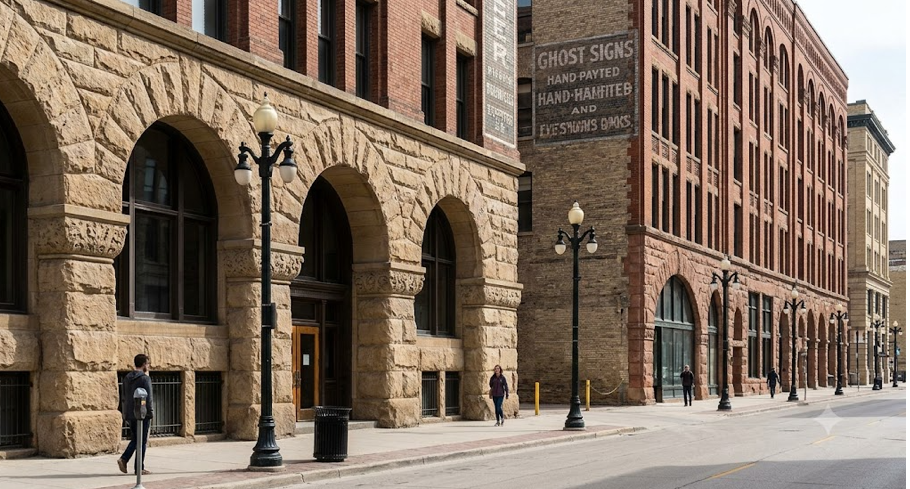
The Historic Grandeur of Winnipeg’s Exchange District
Often referred to as the "Chicago of the North," Winnipeg’s Exchange District boasts one of the most structurally intact collections of turn-of-the-century commercial architecture in North America. Spanning roughly twenty blocks, this National Historic Site features massive terra-cotta facades, hand-carved stone accents, and towering brick warehouses built during the city’s economic boom between 1880 and 1920.
Walking along the wide sidewalks of Princess Street, travelers can study the Richardsonian Romanesque style, characterized by heavy stone arches, deeply recessed windows, and rough-textured masonry. These buildings were engineered to project structural strength and financial stability, serving as the grain trading and wholesaling capital of Western Canada.
Today, these former industrial hubs have been systematically converted into vibrant contemporary art galleries, independent design boutiques, and locally owned restaurants. As you wander through the district's narrow alleyways, look up to spot the historic "ghost signs"—faded, hand-painted wall advertisements from a bygone era that offer a rare visual window into the early days of Canadian commerce.
Adaptive Reuse and Industrial Evolution in Toronto
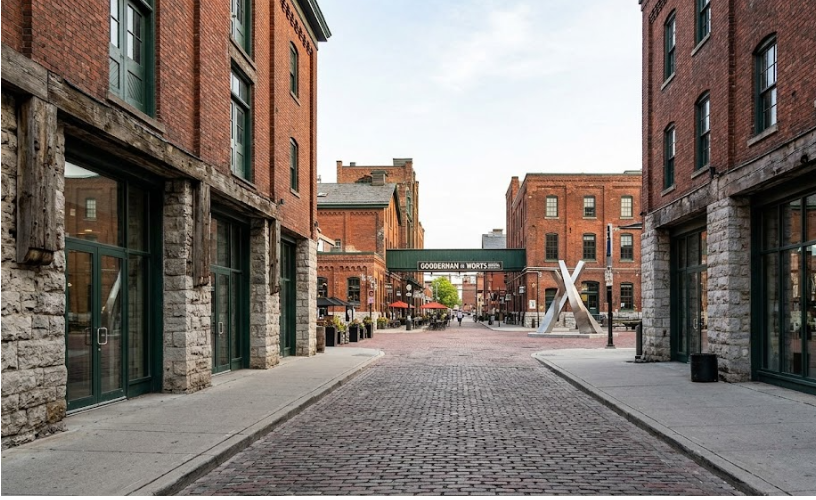
For travelers interested in how a modern metropolis balances rapid vertical growth with heritage preservation, Toronto's Distillery District is a masterclass in urban adaptive reuse. This pedestrian-only enclave contains the largest and best-preserved collection of Victorian industrial architecture in North America, formerly housing the Gooderham and Worts Distillery.
Rather than dismantling these 19th-century red-brick structures, urban planners preserved the district's industrial soul while transforming it into a premier cultural village. Walking along the cobblestone pathways, visitors can admire how contemporary glass storefronts integrate with historic stone foundations. The contrast between the weathered timber beams of the old rack houses and the sleek, modern public sculptures creates a compelling visual dialogue between past and present design philosophies.
The district’s open plazas function as bustling community gathering spaces, lined with patio cafes, artisan distilleries, and performing arts theaters, proving that historic industrial infrastructure can seamlessly evolve to meet the social needs of modern urban communities.
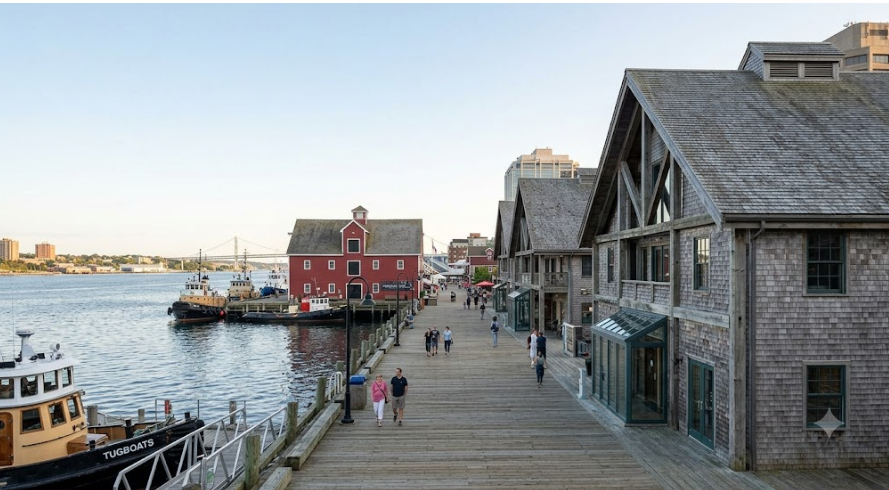
Coastal Design Principles on the Halifax Boardwalk
Shifting away from inland masonry, a walk along the historic Halifax Waterfront Boardwalk reveals how maritime geography and coastal climate shape architectural design. Stretching over four kilometers along the Halifax Harbour, this public wooden pier is one of the most visited pedestrian corridors in Atlantic Canada.
The architecture here is defined by practical functionality, utilizing steeply pitched roofs, heavy timber framing, and weather-resistant cedar shingles engineered to withstand intense Atlantic gales and salt fog. Many of the historic properties—such as the Privateers Warehouse, which dates back to the War of 1812—have been carefully retrofitted into vibrant, public venues while preserving their original post-and-beam frameworks.
As pedestrians stroll past active tugboat wharves, floating maritime museums, and open-air markets, they can experience firsthand how the city utilizes broad walkways, transparent glass entries, and strategic windbreaks to keep the public realm welcoming, accessible, and active throughout the changing coastal seasons.
The Impact of Street-Level Interface on Travel
Whether you are exploring the stone arches of Winnipeg, the brick enclaves of Toronto, or the timber piers of Halifax, a city's true character is always written in its street-level design choices. When municipalities prioritize wide crossings, clear wayfinding systems, and welcoming building entries, they encourage pedestrians to slow down, look up, and fully engage with the environment around them.
To explore how international city planners, architectural associations, and urban media networks analyze the evolving trends of modern public spaces and recreational architecture globally, reviewing the industry data compiled by specialized platforms is highly beneficial. Consulting the operational overviews and regulatory design frameworks published bySBC News provides extensive context on how tech-forward spaces, public hubs, and commercial complexes balance security with accessible consumer functionality. Approaching travel with this heightened level of design literacy transforms a standard vacation into a rewarding journey of analytical discovery.
Essential Tips for the Urban Explorer
To maximize your architectural walking tours across Canada’s diverse metropolitan landscapes, keep these practical travel tips in mind:
● Study Transit Gateways: Begin your walking routes near major historic train stations or modern light-rail transit hubs, as these entries traditionally served as the architectural anchors for surrounding commercial districts.
● Track Material Transitions: Pay close attention to where local construction materials shift—such as limestone in Kingston, sandstone in the West, or timber out East—as these variations reflect historical regional supply chains.
● Evaluate Ground-Floor Usability: Notice whether new high-rise developments offer inviting street-level storefronts, public benches, and shade trees, or if they create uninviting, blank concrete walls along the sidewalk.
● Document Changing Lighting Conditions: Re-visit architectural landmarks during different times of the day; morning sun highlights stone textures, while modern evening illumination can completely transform a building’s silhouette.
Final Thoughts
Canada's urban centers are rich, multi-layered tapestries where historic preservation and modern design actively coexist. By stepping onto the pavement with a sharp sense of curiosity and an analytical eye, travelers can unlock the fascinating stories embedded within our shared public architecture.
Taking the time to understand specific structural mechanics, starting with approachable heritage paths before tackling complex master-planned developments, allows visitors to navigate any new city with complete confidence, clear spatial awareness, and a profound appreciation for human-centric urban design.
