
Exploring Newfoundland's Viking Trail Tour
A Road Trip Guide from Deer Lake to L’Anse aux Meadows, through Fjords, Lighthouses, and Norse Ruins
The Great Northern Peninsula of Newfoundland is among the most unique geographic and cultural places in all of North America. Taking the trip on Route 430, also known as the Viking Trail, is traveling through one billion years of natural history and one thousand years of human settlement. Running for roughly 400 kilometers from Deer Lake to the end of the peninsula at L'Anse aux Meadows, the Viking Trail provides an adventure into the unspoiled natural beauty of the North Atlantic coast. Characterized by the Long Range Mountains, which constitute the northernmost section of the Appalachian Mountains range, the Viking Trail features prehistoric fjords, century-old lighthouses, and the sole Norse outpost on the continent.
For modern travelers, this route offers more than natural beauty. It reveals hidden places. It highlights local culture. Visitors may admire a nineteenth-century cast-iron lighthouse or also discover ceramic artwork inside a regional hospital. The Viking Trail rewards people who pay attention to small details. This journey offers both scale and intimacy. Gros Morne National Park brings dramatic landscapes. Local communities tell personal stories. People have built lives along this rugged coast for more than four thousand years.
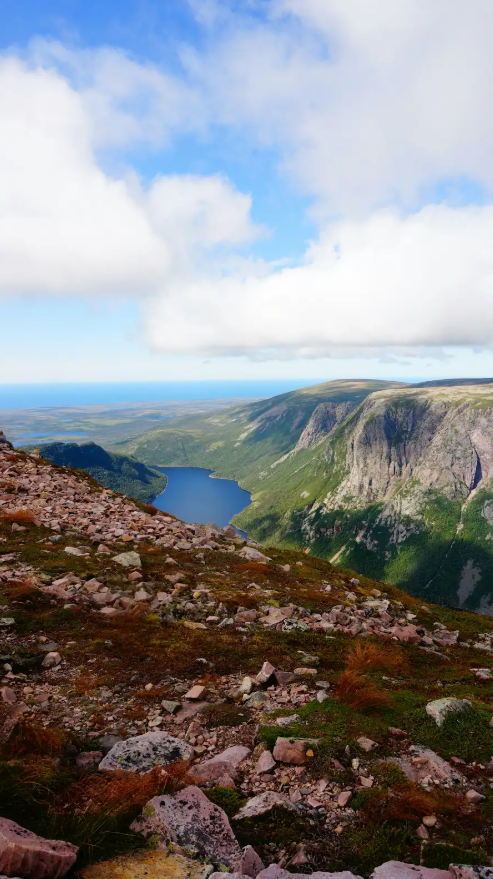
Geological Foundations: The Majesty of Gros Morne
The southern anchor of the Viking Trail is Gros Morne National Park, a UNESCO World Heritage site recognized for its contribution to our understanding of plate tectonics. The park provides a rare opportunity to observe the Earth’s mantle, where the collision of tectonic plates 400 million years ago forced the ocean floor to the surface.
The Western Brook Pond Fjord Experience
In the many wonders of Gros Morne, the Western Brook Pond is often referred to as the “crown jewel”. Despite its name, it is a very large lake locked inside the mountain range. Getting to this area is an adventure in itself because it entails walking 3 kilometers through lowland coastal and tuckamore forests.
Previously, the area formed a saltwater fjord that became isolated under the glacier pressure during the last Ice Age. However, in the course of time, the landmass elevated such that the fiord got isolated from the sea while the lake filled with freshwater. Throughout the journey in the confined channels, with cliffs up to 650 meters tall on either side, visitors will be able to enjoy the experience of looking at some of the best sights, including cascading waterfalls that evaporate before touching the water and rock formations such as "Tin Man", resembling the character from TheWizard of Oz.
Maritime Sentinel: Lobster Cove Head Lighthouse
Just north of Rocky Harbour, the Lobster Cove Head Lighthouse stands as a testament to nineteenth-century maritime history. Constructed in 1897, the lighthouse was built during a period when the colony was asserting responsibility for safe navigation along its treacherous west coast. Prior to its construction, local residents were so desperate for a light that they reportedly contributed a pint of oil each week to fuel a private lamp kept in a fisherman’s window.
The structure is a "Recognized Federal Heritage Building" featuring a cast-iron shaft prefabricated in St. John’s and a lantern manufactured by the renowned Chance Brothers of Birmingham, England. The lightkeeper’s house now serves as an interpretive center, with exhibits that detail the region's social history.
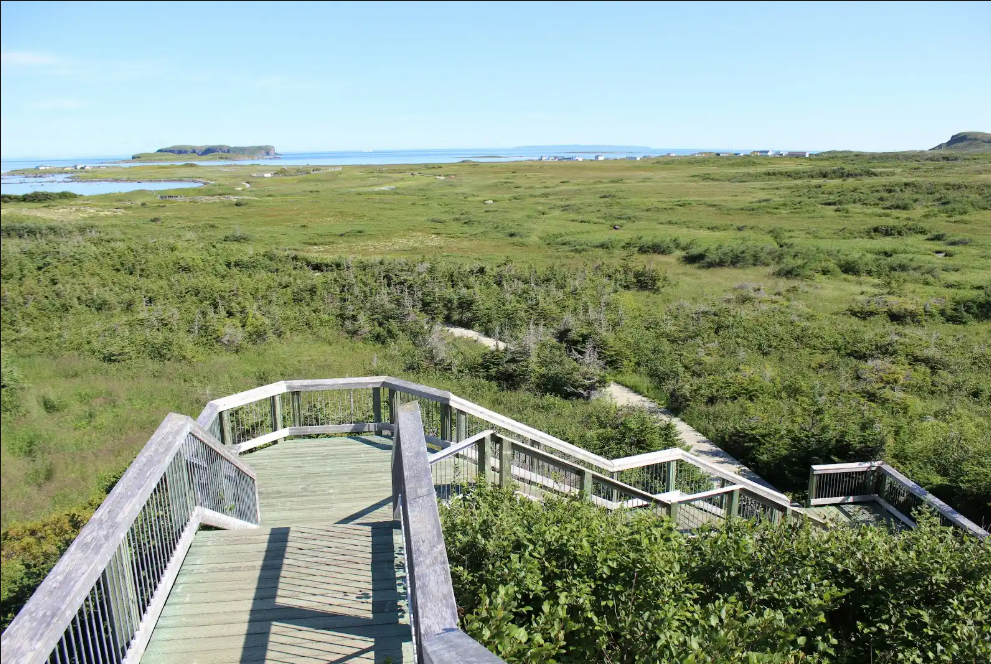
The Urban Spirit of St. Anthony
Traveling further along the Viking Trail takes one to the regional capital St. Anthony. Despite the remoteness of the location, this area has a rich culture history. The name of St. Anthony is associated with Dr. Wilfred Grenfell, a medical missionary who revolutionized healthcare here in 1892. Grenfell Historic Properties include not only his mission but also a handicraft industry producing unique "Grenfell cloth" jackets and hand-hooked floor mats. This focus on locally produced goods is a precursor to the modern artisan movements found inexploring hidden urban gems across Canadian cities, where history and craftsmanship intersect.
There is another surprise that can be found in the Charles S. Curtis Memorial Hospital. The rotunda in this building houses eight big ceramic panels made in 1967 by the well-known Montreal artist Jordi Bonet. They depict the lifestyle and environment of the people living in Newfoundland and Labrador. The inclusion of such an artwork in a remote hospital testifies to the Grenfell mission’s commitment to providing cultural enrichment to the north.
L’Anse aux Meadows: Where History Meets Legend
At the northern tip of the peninsula lies L'Anse aux Meadows National Historic Site. This UNESCO World Heritage site contains the remains of an eleventh-century Norse settlement, marking the first known European presence in the Americas. Discovered in 1960 by Helge and Anne Stine Ingstad, the site reveals a sophisticated camp used for ship repair and exploration.
Visitors can tour reconstructed sod houses built using traditional Norse methods, with thick turf walls to insulate against Atlantic winds. Costumed interpreters demonstrate iron forging and weaving, bringing the ancient sagas to life.
Navigating the Wild North: Things to Keep in Mind
Driving the Viking Trail requires careful planning. Newfoundland is home to approximately 125,000 moose. Route 430 passes through their natural habitat. Moose-vehicle collisions are a serious risk, so drivers must stay alert at all times. Roadsides should be scanned constantly, and night driving should be avoided when possible.
Fuel stations are limited along the Great Northern Peninsula. This is especially true between major hubs like Deer Lake and St. Anthony. Since the distance is significant, a round trip of nearly 900 km, a fuel mileage calculator can help estimate gas costs before departure. This is especially useful before leaving Deer Lake. For updated safety information, please visit the officialParks Canada website.
The Viking Trail is more than a road. It tells a story of resilience and the raw beauty of the North Atlantic coast. Some travelers focus only on the main attractions. Others look deeper. Those who look beyond the obvious discover a side of Canada that feels both ancient and alive.
