
Kelowna, Saskatoon, and Halifax: Exploring Canada's Most Overlooked Urban Gems
Trade the usual Toronto-Vancouver-Montréal loop for Kelowna’s vineyards, Saskatoon’s gallery-rich core, or Halifax’s busy waterfront – each offers a distinct weekend in a tighter package. Each fits a weekend and keeps costs below big city levels.
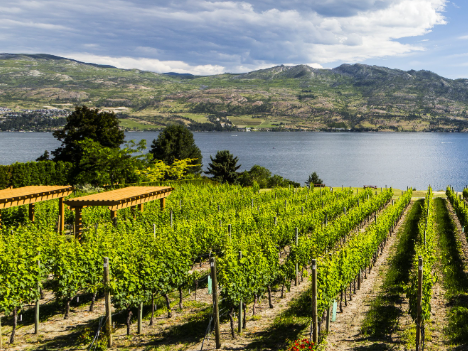
Kelowna: wine country with structure
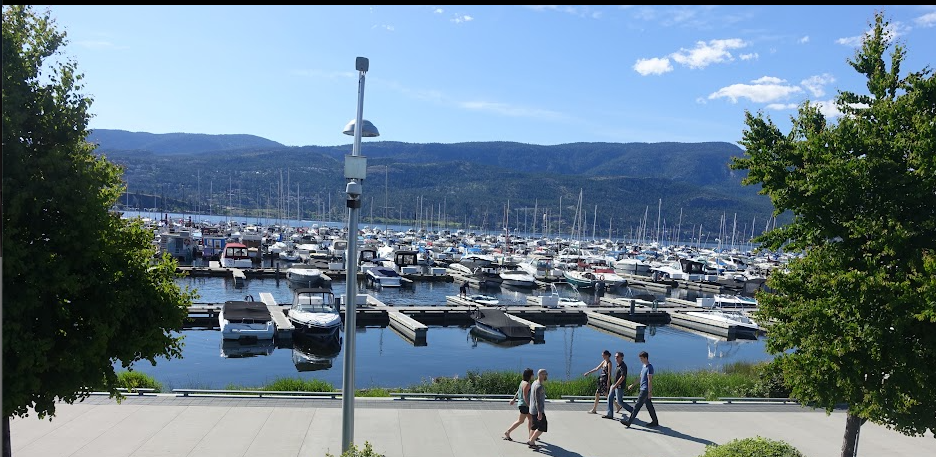
Kelowna works as a solid base for Okanagan wine trips, not just a cute resort stop. Downtown Kelowna is 15 minutes from a tight cluster of more than thirty cellar doors – think Mission Hill, Quails’ Gate, The View or Little Straw. Expect roughly 120 CAD for a half-day shuttle tasting, a bit above 200 CAD if the schedule stretches to lunch and five stops. Harvest weeks are busy: the Okanagan Wine Festival, Beer Week, cyclists on the Kettle Valley Rail Trail and every kind of craft boat on the lake. Wait until mid-October and you’ll have patios to yourself and no line at the bar.
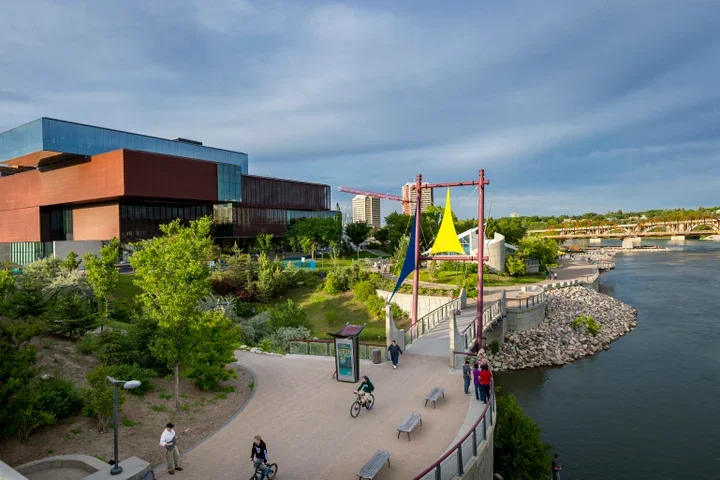
Saskatoon: galleries, stages and local beer
Saskatoon’s reputation now rests on a few very concrete pillars. Remai Modern has stood on the riverfront since 2017, housing 11 galleries and the world’s biggest stash of Picasso linocuts inside a KPMB-designed shell. A short stroll up Broadway takes you past Clay Studio Three, the Saskatchewan Craft Council Gallery, and a run of cafés and indie stores.
Early August sees the Fringe take over Broadway, filling ten days with pop-up stages and intimate plays. Hearth at Remai Modern focuses on Prairie ingredients, and Cathedral Social Hall pours a wide range of Saskatchewan beers. Days here often flow from a quiet hour in a gallery to an evening show and then a long chat over local beer.
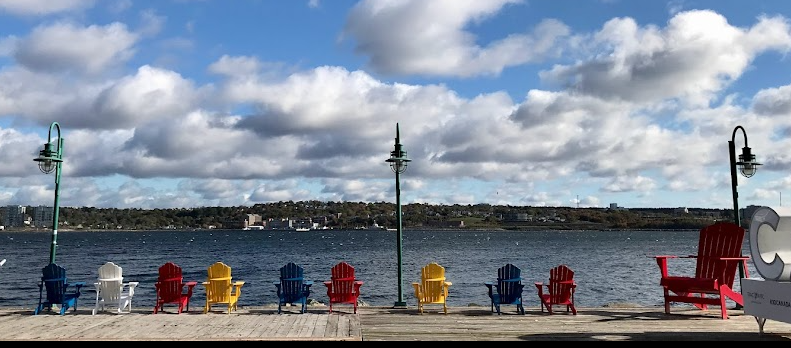
Halifax: harbour city that lives on its boardwalk
Halifax builds almost everything around its 2.5 mile waterfront boardwalk. The Queen’s Marque district has reshaped part of that stretch with the five star Muir hotel, restaurants like Drift and Bar Sofia, and public art facing the harbour. The Maritime Museum of the Atlantic, just along the boardwalk, keeps the focus on real ships and Titanic relics rather than vague “sea history”.
During the Halifax Busker Festival the same stretch fills with street acts and crowds for most of the week. Many people end the day at The Bicycle Thief for seafood and Italian style dishes, then hit the Halifax Seaport Farmers’ Market on Marginal Road over the weekend for produce, coffee and a slow walk before a harbour cruise or quick ferry ride.
Why These Cities Work So Well for Short Trips
Modern short getaways don't mean a life without excitement and adventure. This is clear from visiting Kelowna, Saskatoon, and Halifax. These cities feel calm and easy. You do not need a tight plan. After a day outside, many people watch sports in hotel bars. Others check scores on their phones. In Kelowna, the day often starts by the lake. It continues at local wineries. Mission Hill, Quails’ Gate, and a short walk on the Kettle Valley Rail Trail already fill the day. In the evening, hockey is often on TV. Some travelers follow the game and use simple tools that let them influence the final score while they relax.
Saskatoon moves even slower. The city center is small and you can walking through it by foot. Remai Modern can take most of the afternoon. Dinner at Hearth is easy and close. After that, Broadway is perfect for a quiet walk. There are cafés, murals, and small galleries. People stop, sit, and rest. During these moments, some check live games or try small in-play bets. These tools stay in the background. They do not take focus away from the city.
Halifax feels just as simple. The waterfront guides the day. The boardwalk connects museums, shops, and harbour views. The Maritime Museum of the Atlantic fits well into the route. A short harbour cruise or sailing trip adds variety. In the evening, restaurants by the water are busy. Seafood, conversation, and sports on TV mix naturally. Checking scores or placing a quick bet feels normal and light.
In the end, Kelowna, Saskatoon, and Halifax show you the value of smaller cities. Distances are short. Nature is close. Prices are often lower than in big hubs. These places support slow travel. Food, culture, and scenery come first. Modern habits fit around them with ease. This balance makes all three cities strong choices for a relaxed and rewarding second-city trip.
