
New Experiences Worth Discovering Across Canada in 2026
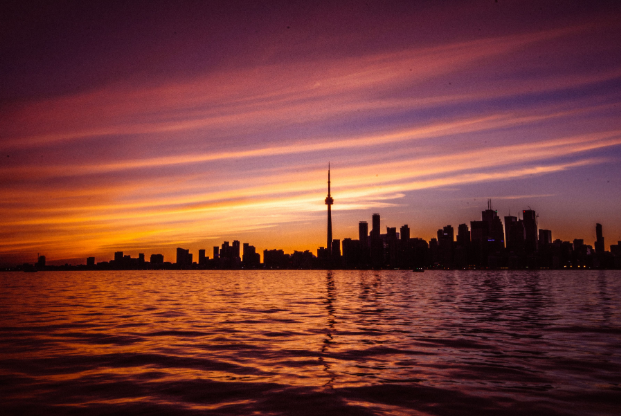
Canada isn't just about visiting the same well-known cities and national parks. A number of new and time-specific experiences are shaping how people travel, from limited-run train routes and global sporting events to Indigenous-led eco stays and some of the clearest skies in North America.
A luxury train route that only exists for one season
One of the most notable travel experiences launching in 2026 is the Rocky Mountaineer's "Passage to the Peaks". This is a limited summer route operating only for the season.
The two-day journey runs between Vancouver, Kamloops, Jasper and Banff, cutting directly through some of the most dramatic sections of the Canadian Rockies. Unlike standard road travel, the focus here is slow viewing with glacier-fed rivers, mountain passes and stretches of wilderness that are only accessible by rail.
What makes it stand out is its temporary nature. It isn't being positioned as a permanent route, but as a seasonal experience, which adds to the sense that it's something you either do now or miss entirely.
FIFA World Cup 2026 in Toronto and Vancouver
This year, Toronto and Vancouver will act as host cities for the FIFA World Cup 2026. Both cities are expected to build out large-scale fan zones, temporary cultural spaces and street-level festivals throughout June and July.
In Toronto, that means downtown public spaces and entertainment districts will become concentrated viewing and event areas, with a strong mix of sport and cultural programming layered into everyday city movement.
In Vancouver, the focus will likely extend between the waterfront and downtown core, where outdoor screenings, live performances and international crowds will bring energy to each city during peak summer weeks. Even for non-sport travellers, the atmosphere alone is likely to define the season.
Ottawa's 200th anniversary and access to hidden buildings
In Ottawa, 2026 marks the city's bicentennial and the programming goes beyond standard celebrations. One of the key experiences is Doors Open Ottawa, which temporarily unlocks access to more than 100 buildings that are normally closed to the public. These include government spaces, heritage properties and architecturally significant sites that are usually seen only from the outside.
The appeal here is simple. It's one of the few times you can actually step inside spaces that define the capital's identity but are rarely accessible in day-to-day life. Combined with heritage programming across the city, Ottawa becomes less about monuments and more about access, seeing what's normally hidden.
A new indigenous-led wilderness lodge on Vancouver Island
Off the beaten track on Vancouver Island, a new retreat called Wahous Wilderness Lodge is set to open this month at Quait Bay. This is not a standard resort. It's designed as a low-impact, sustainably powered stay that integrates directly with Ahousaht cultural learning experiences alongside wildlife-focused excursions.
Visitors can expect guided access to surrounding waters and forests where sightings of eagles, black bears and sea wolves are part of the natural environment rather than staged activities.
What makes this development significant is the balance between cultural education and direct wilderness access, shaped through indigenous stewardship rather than conventional tourism infrastructure.
Dark sky tourism and night-sky travel routes
A quieter but rapidly growing trend in Canada is Astrotourism, and 2026 is pushing it further into structured travel experiences. One key development is the movement led by the Neqotkuk First Nation, working toward becoming the first Indigenous Dark Sky Community. Alongside this, New Brunswick is developing plans for a dense "dark sky corridor" along the Bay of Fundy, one of the most naturally dramatic coastal regions in the country.
These areas are being designed around low-light preservation, making them ideal for stargazing without the interference of urban glow. Unlike traditional sightseeing, this is a slow form of travel built around timing, weather and darkness itself, not destinations.
Online experiences and digital entertainment
Alongside physical travel, digital experiences are now part of how people spend downtime while moving through cities or staying on the road. This includes a growing shift toward structured online entertainment platforms, including casino-style gaming sites, which are increasingly used as part of broader digital leisure habits.
The Canadian online gambling market generated USD 1,901.3 million in revenue in 2025, showing just how significant the sector has become within the wider entertainment economy.
Platforms such as Casino.org Canada provide structured overviews of new casinos, while curated pages ranked by industry experts are commonly used for comparisons and tracking new platforms. As digital entertainment continues to grow, these resources have become part of the wider online leisure landscape.
How travel is changing
What stands out about travel in Canada in 2026 is that many of the most interesting experiences are time-specific or access-specific.
These aren't general attractions; they're limited, structured or evolving experiences that change how people move through the country. In many ways, travel is becoming less about what exists permanently and more about what's happening right now.
