
Quebec City's Best-Kept Secrets for Visitors
Quebec City's Best-Kept Secrets for Visitors
Quebec City is one of North America's most captivating destinations. With its UNESCO-listed Old Town, centuries-old architecture, and distinctly European atmosphere, it draws visitors from around the world. But beyond the well-worn tourist trail, there's a quieter, richer version of the city waiting to be discovered. Here's what most visitors miss.
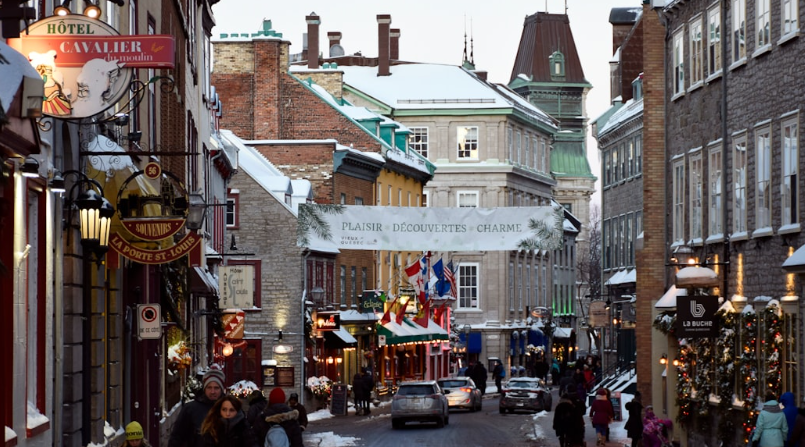
Rue du Petit-Champlain: More Than a Photo Stop
Most visitors walk through Rue du Petit-Champlain, snap a few photos, and move on. Those who linger discover one of the most charming shopping streets in Canada. Independent boutiques selling locally made jewellery, ceramics, and textiles line the narrow lane, and the stone walls and hanging flower baskets make it genuinely beautiful at any time of year. In winter, the street transforms into a fairy-lit wonderland that feels lifted straight from a European Christmas market.
The Plains of Abraham: A Park With a Story
The Battlefields Park, known locally as the Plains of Abraham, is where one of history's most consequential battles took place in 1759. Today it's a vast, peaceful green space used by locals for walking, cycling, and picnicking. The on-site museum tells the story of the battle with impressive detail, and the views over the St. Lawrence River are among the best in the city. Most tourists walk past the park on their way to the Citadelle — few take the time to explore it properly.
Quartier Saint-Jean-Baptiste: The Local's Neighbourhood
Just outside the walls of Old Quebec lies Saint-Jean-Baptiste, a neighbourhood that feels entirely removed from the tourist circuit. Rue Saint-Jean is lined with independent cafes, bookshops, vintage clothing stores, and some of the best casual restaurants in the city. Try L'Affaire est Ketchup for an intimate, no-frills dining experience, or grab a coffee at one of the neighbourhood's many independent roasters and watch the city go about its day.
Hidden Staircases and Lookout Points
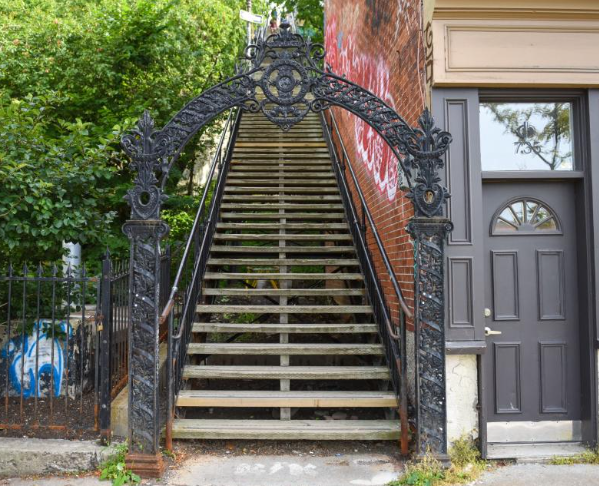
Quebec City is built on two levels — the Upper Town and the Lower Town — connected by a series of staircases and funicular. While most visitors take the funicular, the staircases offer a more rewarding experience. The Escalier Casse-Cou (Breakneck Stairs) is the most famous, but the quieter staircases further along the cliff offer unexpected viewpoints and far fewer crowds. Bring a camera — the views across the rooftops of Lower Town toward the river are exceptional.
Evenings in Quebec City
After a day of exploring, Quebec City's evening scene offers plenty of options. The Old Port area comes alive after dark, with wine bars, live music venues, and restaurants serving classic Québécois cuisine — think tourtière, poutine, and maple-glazed dishes done properly. For those who prefer to unwind digitally, options like bitcoin casino canada have become a popular way to relax after a long day of sightseeing, accessible from any hotel room without needing to venture back out.
Musée de la Civilisation: Underrated and Unmissable
While the Musée National des Beaux-Arts gets most of the attention, the Musée de la Civilisation in Lower Town is arguably the more interesting of the two. Its permanent and rotating exhibitions cover Québécois history, Indigenous culture, and global civilisations in a way that's genuinely engaging rather than dry. The building itself, designed by Moshe Safdie, is architecturally striking and worth a visit for that reason alone.
Montmorency Falls: Bigger Than Niagara
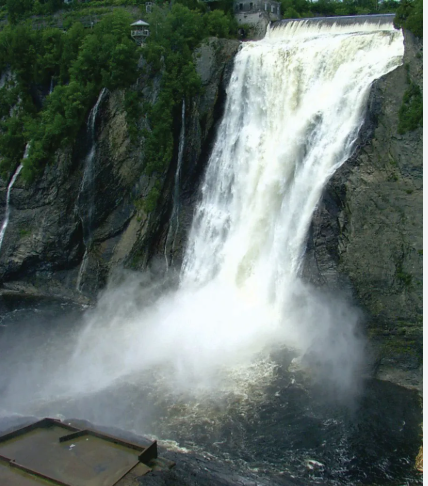
Just fifteen minutes from the city centre, Montmorency Falls drops 83 metres — nearly 30 metres higher than Niagara Falls. A suspension bridge spans the top of the falls, and a cable car offers views from below. It's one of the most dramatic natural attractions in eastern Canada, and surprisingly few visitors make the short trip out to see it. Those walking Vancouver's most famous film locations often cite similar off-the-beaten-path discoveries as the highlight of their trip — Quebec City rewards the same curious approach.
Practical Tips for Visiting
Old Quebec is very walkable, but comfortable shoes are essential — the cobblestones are uneven
Most restaurants in Saint-Jean-Baptiste don't take reservations, so arrive early or be prepared to wait
The best time to visit is late spring or early autumn, when crowds are thinner and the weather is pleasant
French is the primary language, but most businesses in tourist areas are bilingual
