
Toronto is a city that rewards those who explore it on foot. Beyond the busy intersections, glass towers, and popular attractions, there are residential streets where mature trees form green tunnels overhead, historic homes line quiet sidewalks, and the pace of city life seems to slow down.
These streets offer more than pleasant scenery. They reflect decades of neighbourhood development, changing architectural styles, and the ongoing effort to preserve Toronto's urban forest. Keeping these landscapes healthy requires regular maintenance, thoughtful planting, and sometimes professional Toronto tree removal when aging or damaged trees pose a safety risk.
For anyone interested in architecture, local history, photography, or simply enjoying a peaceful afternoon outdoors, Toronto's tree-lined neighbourhoods provide plenty of opportunities for exploration.
Here are five walks that reveal some of the city's most attractive residential streets, each with its own character and atmosphere.
1. Rosedale: Historic Homes Beneath a Mature Canopy
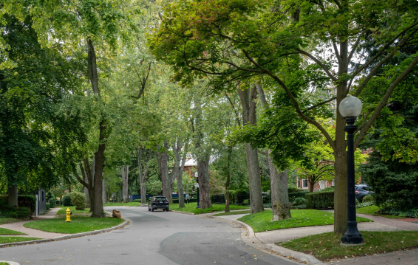
Rosedale is one of Toronto's oldest and most established residential neighbourhoods. Known for its winding roads, impressive homes, and abundant greenery, it offers a walking experience that feels surprisingly removed from the surrounding city.
Unlike Toronto's more traditional grid-based neighbourhoods, Rosedale features curving streets that follow the area's natural landscape. The result is a collection of quiet roads where mature trees frame historic architecture and create an almost park-like atmosphere.
Where to Walk
Start near Rosedale subway station and head east along Crescent Road. Continue toward South Drive, exploring the residential streets around Cluny Drive and Glen Road.
Along the way, you'll encounter a mix of Victorian, Edwardian, and early 20th-century homes. Large deciduous trees provide shade during summer, while autumn transforms the neighbourhood into a colourful landscape.
South Drive is particularly attractive for its mature canopy and distinctive architecture. The combination of curved roads, stone walls, landscaped gardens, and established trees makes this area feel different from much of downtown Toronto.
Best time to visit: Late September through October for autumn colours, or June through August for the full green canopy.
2. Cabbagetown: Victorian Architecture and Leafy Residential Streets
Cabbagetown offers one of Toronto's most interesting combinations of architectural heritage and neighbourhood greenery.
Located east of downtown, the area is known for its concentration of Victorian homes, many featuring decorative brickwork, colourful doors, narrow front gardens, and traditional porches.
Although Cabbagetown is relatively close to the city's busiest streets, its residential blocks offer a quieter atmosphere.
Where to Walk
Begin near Parliament Street and Carlton Street, then explore Winchester Street, Metcalfe Street, and the surrounding residential blocks.
Winchester Street is particularly appealing because of its historic houses and mature street trees. During summer, the canopy softens the appearance of the tightly packed buildings, creating a welcoming pedestrian environment.
Metcalfe Street offers another excellent opportunity to appreciate the neighbourhood's architecture. Many homes have been carefully maintained, preserving the character that makes Cabbagetown distinctive.
One of the pleasures of walking here is noticing small details. Decorative iron fences, old brickwork, climbing plants, and mature trees combine to create streetscapes that feel both historic and lived-in.
For visitors interested in Toronto's architectural history, Cabbagetown is an excellent place to spend an afternoon.
Best time to visit: Spring and early summer, when front gardens are blooming and the trees are fully leafed out.
3. The Annex: University Life, Historic Houses, and Shaded Side Streets
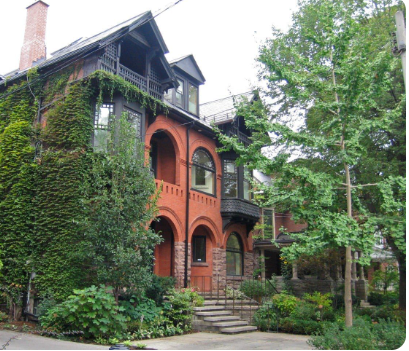
The Annex is one of Toronto's most recognizable neighbourhoods, combining historic residential architecture with the energy of nearby university life.
Located north of Bloor Street West, the area is known for its distinctive Annex-style houses, independent businesses, and streets lined with mature trees.
The neighbourhood developed during the late 19th and early 20th centuries, and much of its original architectural character remains visible today.
Where to Walk
Start near Spadina subway station and head north along Spadina Road. From there, explore Bernard Avenue, Madison Avenue, and nearby residential streets.
Madison Avenue is especially interesting for its large historic homes, many featuring prominent gables, decorative brickwork, and generous front porches.
Bernard Avenue offers another attractive walking route, with mature trees and a mixture of residential architecture.
The Annex is also a neighbourhood where the relationship between trees and buildings is particularly noticeable. Large canopies soften the appearance of substantial brick houses, while smaller front gardens add greenery at street level.
After exploring the residential streets, visitors can head south toward Bloor Street West for cafés, bookstores, and restaurants.
This combination of quiet neighbourhood walking and lively commercial streets makes the Annex a particularly enjoyable destination.
Best time to visit: May through October, especially during warm afternoons when the trees provide welcome shade.
4. Roncesvalles: A Neighbourhood Where Green Streets Meet Local Culture
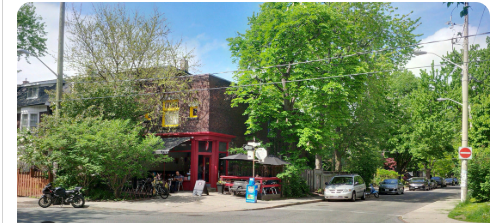
Roncesvalles offers a different kind of Toronto walking experience. The neighbourhood combines a lively commercial strip with quiet residential streets, traditional houses, and easy access to High Park.
While Roncesvalles Avenue itself is known for independent shops, restaurants, and cafés, the surrounding side streets reveal a more residential character.
Many feature mature trees, landscaped front gardens, and early 20th-century homes that reflect the area's development.
Where to Walk
Begin near the intersection of Roncesvalles Avenue and Howard Park Avenue.
Explore the residential sections of Howard Park Avenue, then continue along nearby streets such as Indian Road and Westminster Avenue.
Indian Road is particularly interesting because of its varied architecture and established greenery. Some sections feature substantial homes surrounded by mature trees, creating a quieter atmosphere than the nearby commercial streets.
Westminster Avenue provides another opportunity to experience the neighbourhood's residential character.
What makes Roncesvalles especially appealing is the ability to combine a neighbourhood walk with local businesses. Visitors can spend time exploring the residential streets before returning to Roncesvalles Avenue for coffee or lunch.
Those interested in a longer outing can also continue west toward High Park.
Best time to visit: Summer for shaded walks and outdoor cafés, or autumn when the neighbourhood's deciduous trees begin changing colour.
5. The Beaches: Leafy Streets Just Steps From Lake Ontario
The Beaches is usually associated with its waterfront, boardwalk, and sandy shoreline. However, some of the neighbourhood's most attractive walking routes are found on the residential streets north of Queen Street East.
Here, mature trees, older homes, and landscaped gardens create a relaxed atmosphere that feels quite different from downtown Toronto.
The neighbourhood's combination of greenery and proximity to Lake Ontario makes it particularly appealing during warmer months.
Where to Walk
Start near Queen Street East and Lee Avenue, then explore the residential streets heading north.
Lee Avenue and nearby streets such as Beech Avenue and Balsam Avenue offer a mix of established trees, traditional houses, and attractive front gardens.
Many properties feature generous setbacks and mature vegetation, contributing to the neighbourhood's green character.
The streets become especially pleasant during summer when the canopy provides shade and the surrounding gardens are in full bloom.
After exploring the residential area, head south toward the waterfront. The contrast between the shaded neighbourhood streets and the open views across Lake Ontario makes this walk particularly memorable.
You can finish with a stroll along the boardwalk or stop at one of the cafés along Queen Street East.
Best time to visit: Late spring through early autumn, particularly on warm days when the lake breeze provides some relief from the heat.
Why Toronto's Tree-Lined Streets Are Worth Preserving
These five neighbourhoods demonstrate how much mature trees contribute to Toronto's identity.
Trees influence the appearance of streets, provide shade during summer, support urban wildlife, and create more comfortable conditions for pedestrians.
They also connect different generations of neighbourhood development. Many of the trees visible today were planted decades ago, long before the surrounding streets became the popular residential destinations they are now.
The City of Toronto's Urban Forestry resources explain the importance of maintaining and protecting trees throughout the city.
Preserving mature trees is particularly important because their environmental benefits cannot be immediately replaced by younger plantings. Large canopies provide extensive shade, intercept rainfall, and contribute to neighbourhood character in ways that take decades to develop.
However, urban trees face challenges from construction, soil compaction, road salt, pests, disease, and extreme weather.
Responsible tree management helps maintain the balance between preserving established greenery and protecting public safety.
How to Enjoy Toronto's Neighbourhood Walks
One of the advantages of exploring Toronto's residential streets is that these walks require very little planning.
Most of the neighbourhoods mentioned above are accessible by public transit, and their routes can be adjusted depending on how much time visitors want to spend exploring.
Rather than rushing between specific attractions, take time to notice the details that give each neighbourhood its character.
Look at how trees frame historic houses, how gardens change between streets, and how the canopy influences the atmosphere of different residential blocks.
Seasonal changes also make these walks worth repeating. Spring brings fresh foliage and flowering gardens, summer offers deep shade, and autumn transforms many streets into colourful corridors.
For photography enthusiasts, early morning and late afternoon often provide particularly attractive lighting as sunlight filters through the branches.
As these are primarily residential neighbourhoods, visitors should respect private property and enjoy the architecture and gardens from public sidewalks.
Discover Toronto One Street at a Time
Toronto's most memorable walking experiences are not always found in major parks or along popular tourist routes.
Sometimes, they are hidden in residential neighbourhoods where mature trees, historic architecture, and everyday city life come together.
Rosedale offers winding roads and impressive homes. Cabbagetown reveals the charm of Victorian Toronto. The Annex combines architectural history with university culture. Roncesvalles brings together neighbourhood greenery and local businesses, while the Beaches offers shaded residential streets close to Lake Ontario.
Each walk provides a different perspective on Toronto, but all five demonstrate the value of the city's mature urban canopy.
The next time you have a free afternoon, choose a neighbourhood, leave the busiest streets behind, and explore Toronto at walking speed. You may find that some of the city's most beautiful places are the ones that rarely appear in traditional tourist guides.
