
Urban Travel in Canada: Exploring Culture Beyond the Tourist Spots
Millions visit Banff and Niagara Falls, but the Great White North's lifeblood is its unique cities. Locals love the rough, real, and dynamic aspect of Canadian city life beyond the tourist traps. From hidden gardens to avant-garde art districts, experiencing Canada's urban fabric needs curiosity and a willingness to go off the usual path.
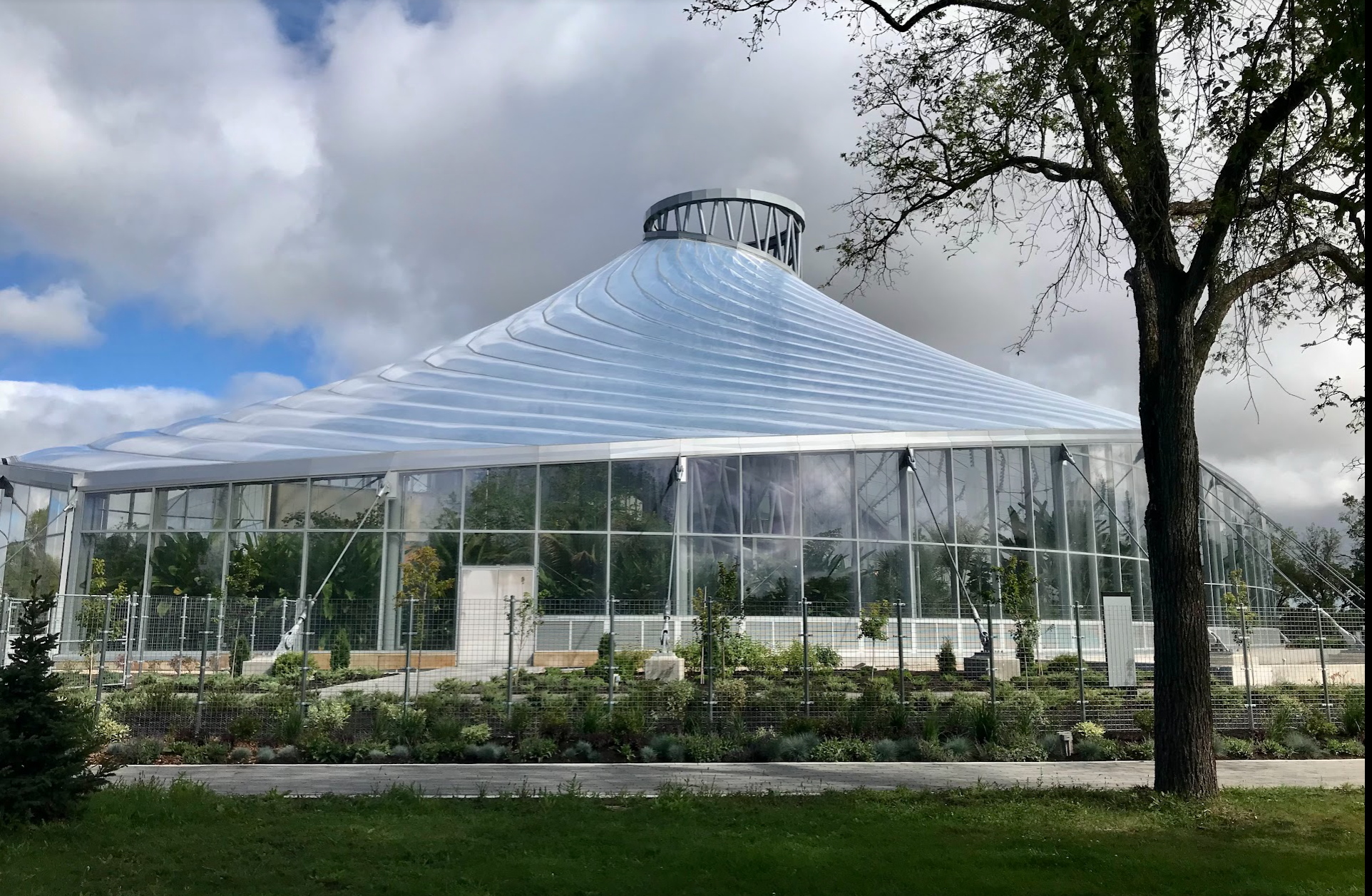
The Leaf is a spectacular indoor horticultural attraction at Assiniboine Park in Winnipeg.
1. Montreal’s Plateau Mont-Royal: A Bohemian Rhapsody
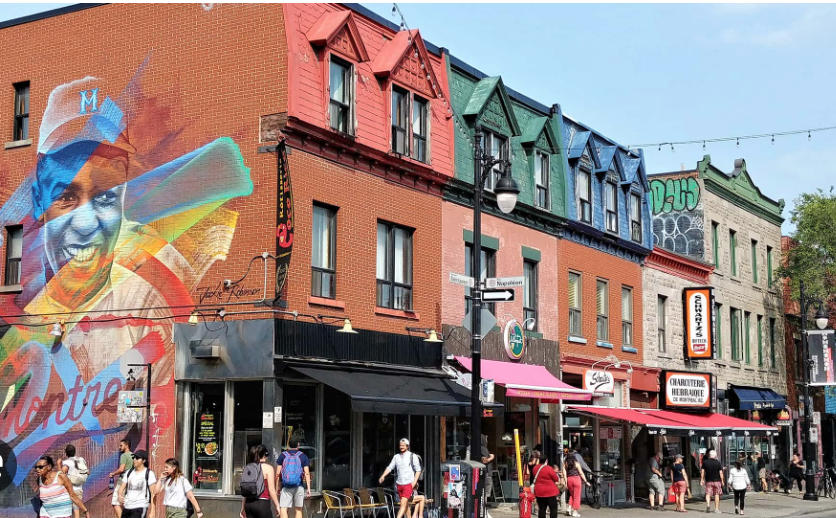
Forget Old Montreal's busy cobblestones and travel north to Le Plateau. This district is the heart of francophone culture and Montreal flair. The Plateau, known for its colorful residences with twisting external stairs, has paintings, independent booksellers, and depanneurs.
Culture here isn't just observed. It’s tasted in the food and felt in the local way of life. Try a Montreal-style bagel from a local store or enjoy the city's art on a park bench instead of waiting in Schwartz's long line. Interestingly, this lifestyle values minor beauty. Locals may enjoy their leisure time in modest residences with intelligent space usage, like aficionados who favor small bongs for their mobility and unobtrusive design on weekend city breaks.
2. Vancouver’s Main Street: The Independent Pulse
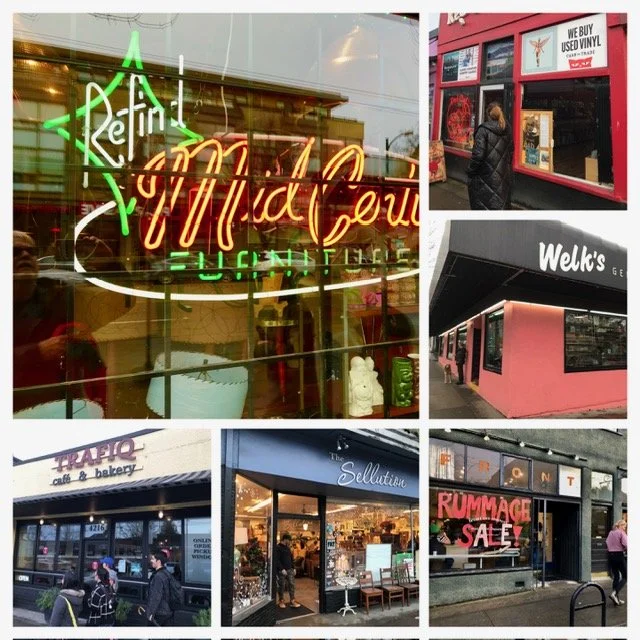
Most visitors visit Stanley Park, but Main Street (Mount Pleasant) is changing culturally. No downtown glass-and-steel Vancouver here. The street is a curated tapestry where independent record stores, dusty vintage boutiques, and buzzing craft breweries flourish side-by-side. It combines Old Vancouver character with contemporary, eco-friendly style.
From 7th to 30th Avenue, you'll pass the Western Front, one of Canada's oldest artist-run facilities, which has presented avant-garde performances since the 1970s. Sustainable fashion and Canadian-made items are sold here. Architecture fans will adore Vancouver Specials, a 60s–80s style that defines the area's residential surroundings. Grab a fresh craft coffee and take in the iconic view of the North Shore mountains looming over the city’s edge.
3. Toronto’s Junction District: From Dry to Design-Forward
The Junction is now Toronto's most intriguing design and antiques area after being alcohol-free until 2000. It lacks the vibrancy of the Distillery District but has raw, industrial charm. History is carved into the bricks of the converted buildings where numerous railway lines intersect.
For mid-century modern furniture and contemporary Canadian art, the region is a goldmine. Nearby MOCA converted an old aluminum mill into a multi-level cultural institution. Discovery at The Junction seems like a secret. The restaurants are experimental, coffee shops are galleries, and the community is strong. It shows how a community can transform itself while retaining its blue-collar origins.
4. Winnipeg’s Exchange District: The North’s Cultural Powerhouse
Winnipeg’s Exchange District is a hidden gem containing one of the continent's best collections of early 20th-century buildings. This National Historic Site is famous for its terra cotta and stone masonry, often used as a filming location for Chicago-style movies. It stands as a testament to the sophisticated architectural heritage of the Canadian Prairies.
The second-largest Fringe Theatre Festival in North America and summer jazz and blues in Old Market Square are in Winnipeg. With galleries, boutique print shops, and the nation's best fusion cuisine, the culture is high-brow yet accessible. This severe winter has created a tenacious, indoor arts community that thrives year-round.
5. Halifax’s North End: Maritime Modernity
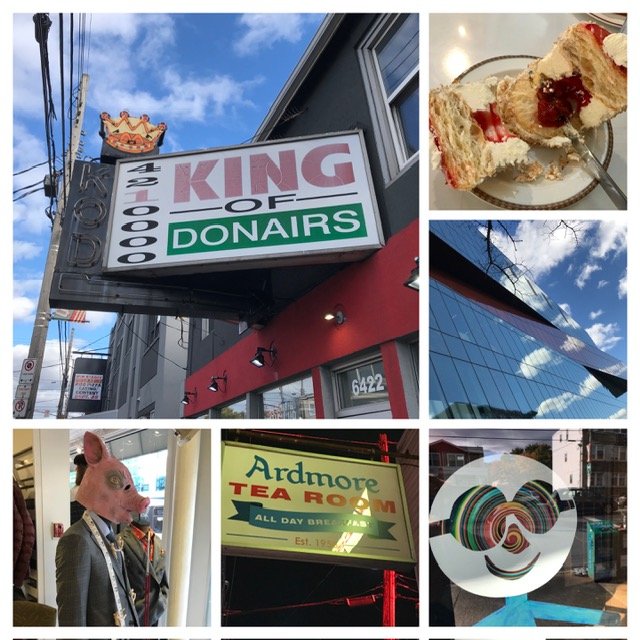
Halifax is known for its boardwalk, but the North End is shaping its future. Once a working-class neighborhood, it is now a gastronomic and cultural hub with Maritime hospitality. Salty and refined, consider world-class seafood in a repurposed garage.
The North End is great for exploring African Nova Scotian heritage and artisan culture. Community activism may be seen in Hope Blooms garden or at the numerous side street micro-distilleries. A community that is developing swiftly while retaining its naval past has a mix of colorful clapboard residences and contemporary infill. Modern East Coast life is more about grit and elegance than lighthouses and lobsters.
FAQ: Navigating Canadian Cities
What is the best way to get around these neighborhoods?
Most of these locations were constructed before cars became popular and are walkable. The Metro/TTC is your closest buddy in Montreal and Toronto. Biking or using local buses in Vancouver and Halifax is efficient and gives great city views.
Is it expensive to explore beyond the tourist spots?
Generally, no. Even while Canadian cities are expensive, these districts frequently have better eating and retail deals than tourist docks or squares. Visit local galleries and historic architectural walks for free or cheap price.
When is the best time for urban exploration in Canada?
Walking is most pleasant in late spring and early fall. However, many Canadian cultural events take place in July/August, when patios and outdoor markets fill the streets.
Do I need to speak French to enjoy Montreal’s Plateau?
Not required, but helpful! Most Plateau residents are multilingual, yet a simple Bonjour shows respect for the local culture. The neighborhood's Québécois character makes it appealing.
Are these areas safe for solo travelers?
Urban areas in Canada are safe. Keep an eye out, particularly at night, in any metropolis. Solo adventurers seeking authenticity will like these residential and bustling areas.
