
Calgary will never be Nashville North?
It has always bugged me that one of the Calgary Stampede’s signature venues is called “Nashville North.” Nothing says you are a ‘second class city” like imitating another city by borrowing its name. Why would you want to be imitative when you could be innovative? Now the Premier is touting Calgary as “Nashville North” as if this is new idea, when in fact it is an old, tired and failed idea. It is as silly as Nashville saying they have some large office buildings, so they’d like to become an oil & gas corporate headquarters city and be branded “Calgary South.”
The only thing Calgary and Nashville have in common is they both have a recognized cowboy culture - Nashville for its country music and Calgary for its rodeo.
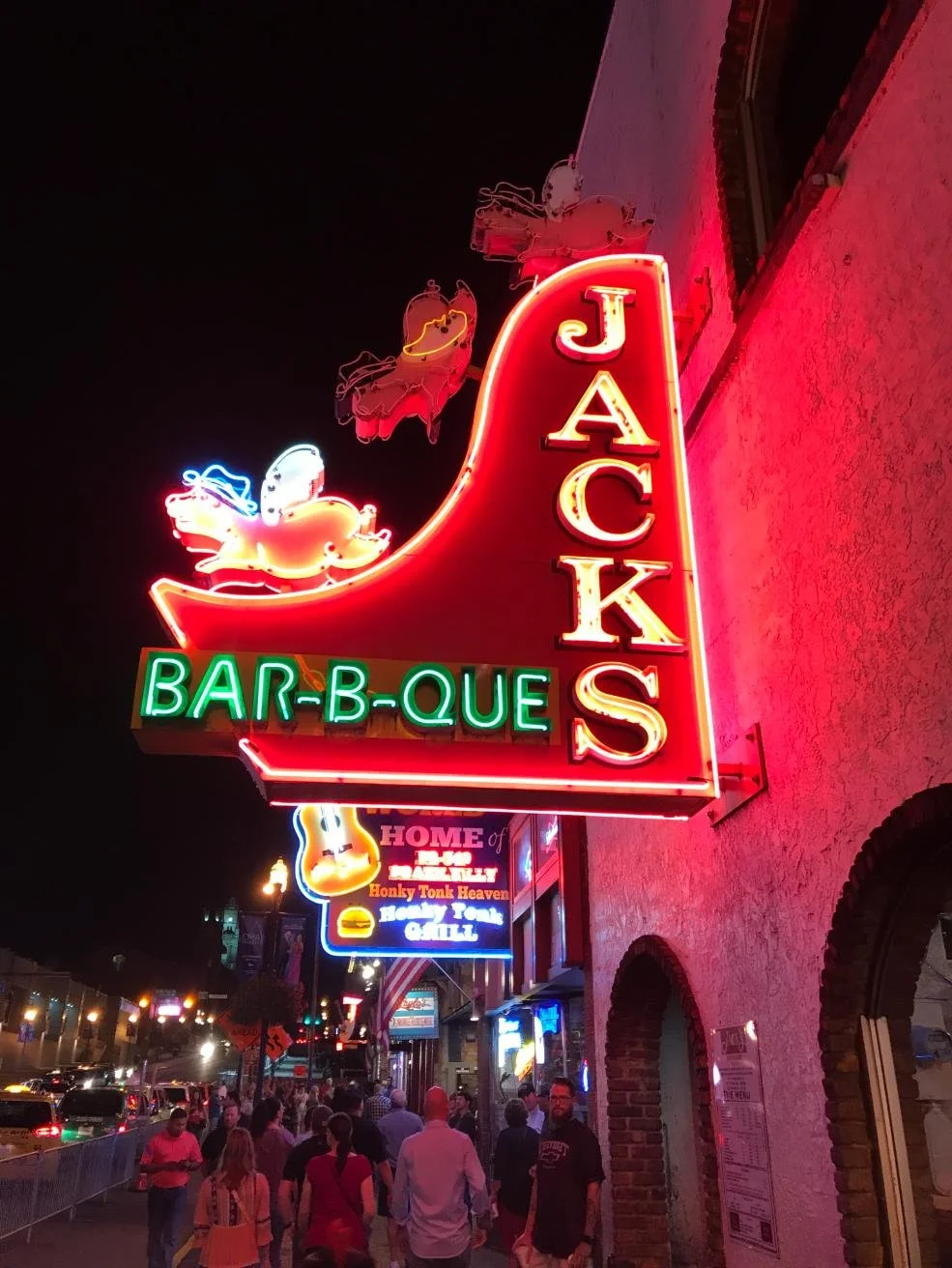
Nashville’s Broadway street has a music festival-like atmosphere almost every night.
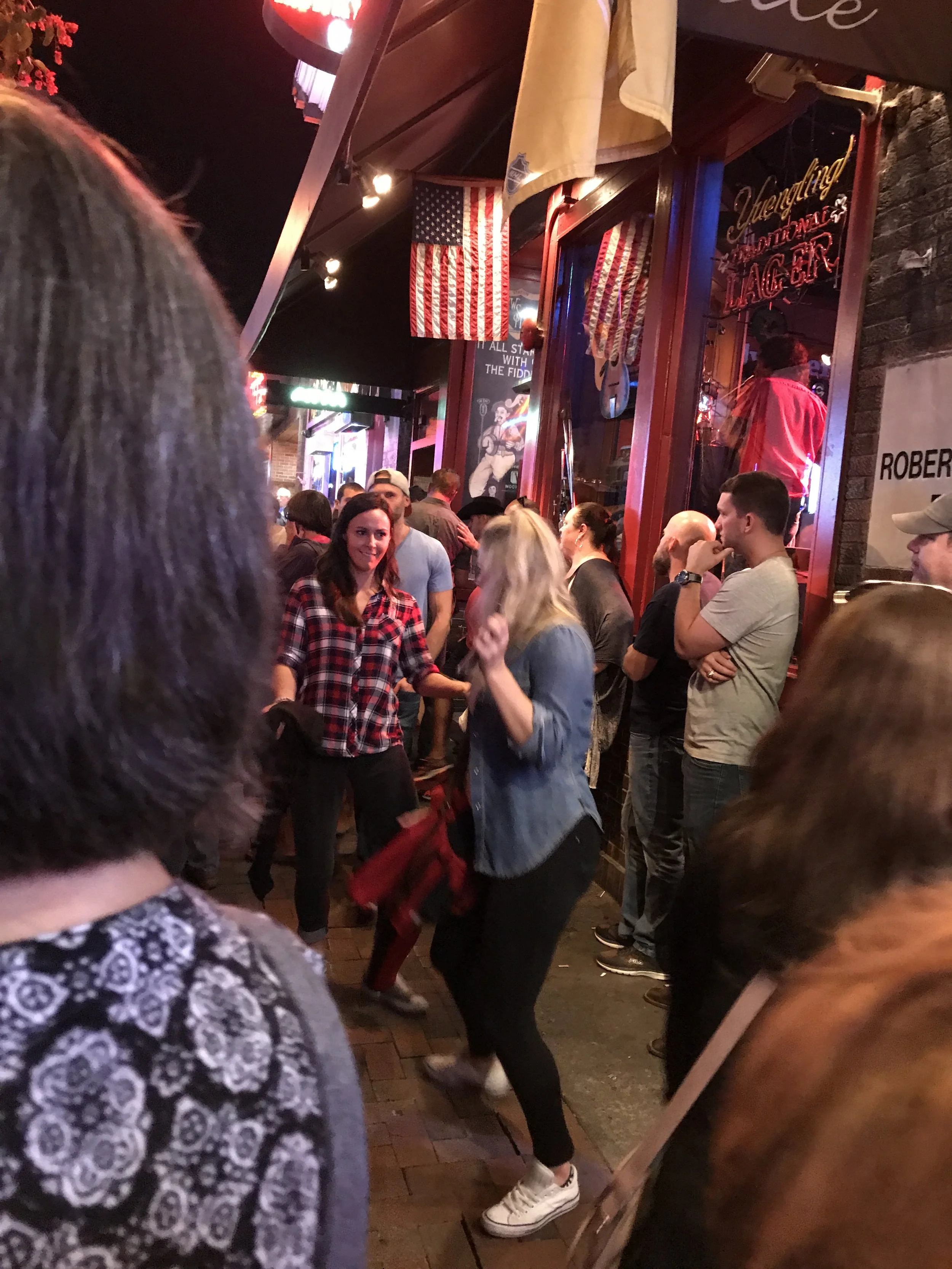
There is dancing, partying and yes drinking along the street.
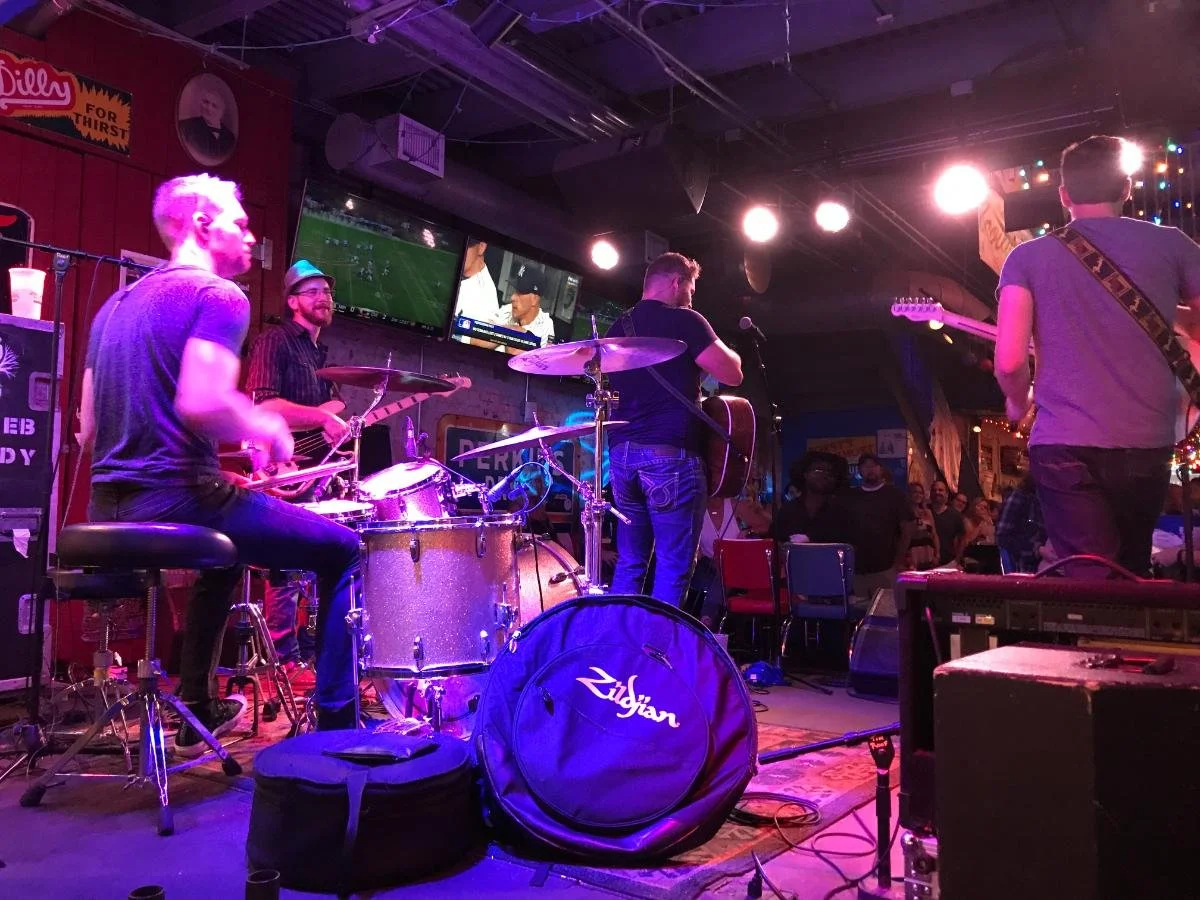
In many of the bars the band plays at the street window, not at the back of the bar. This means pedestrians can enjoy the show from the street without even having to walk into the bar. This is also true in New Orleans and other music cities.
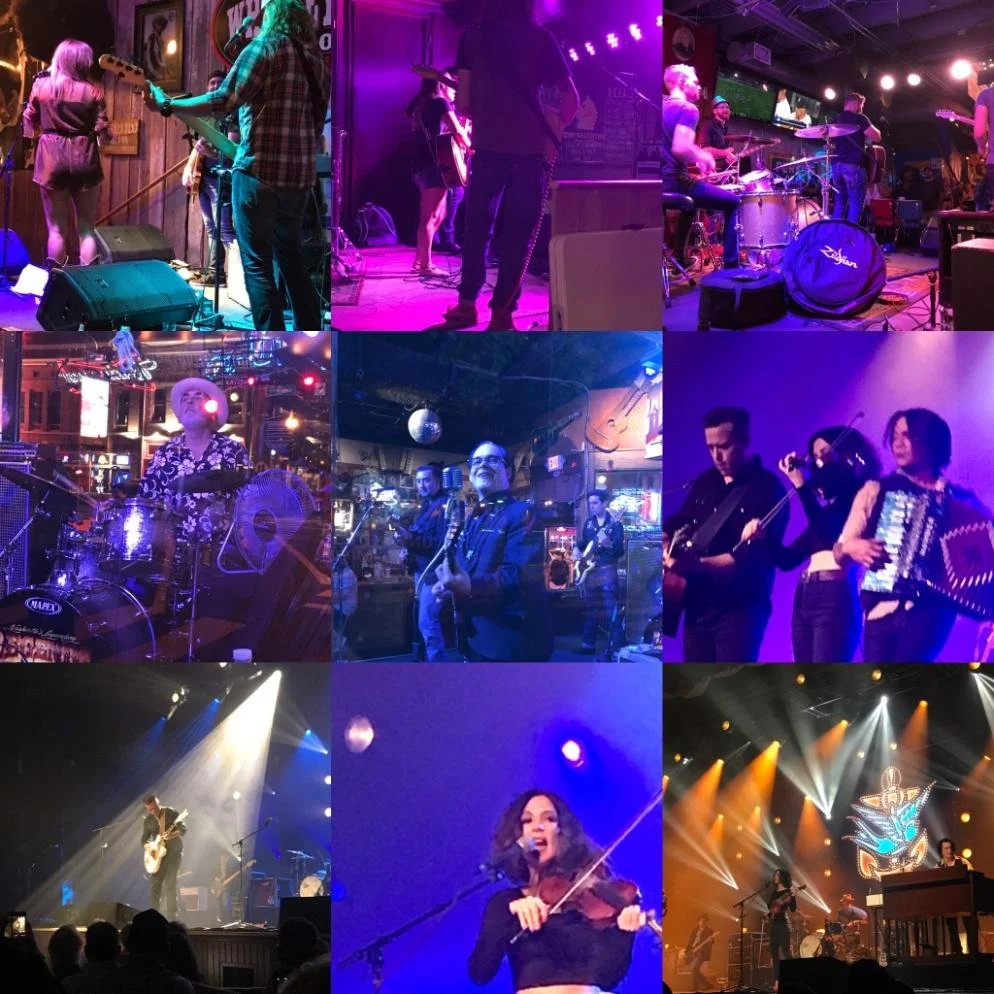
This is downtown Nashville on any given night i.e. the Main Street is like a party, the bars all have live music and the Ryman Auditorium has a headliner.
Facing Reality
Calgary has struggled to foster its music culture for decades, despite numerous studies and attempts to become a recognized “Music City” by tourists. Though we have a symphony, major concert halls, the respected Mount Royal University Conservatory and the National Music Centre, none of these are top-of-mind for national or international tourists.
We don’t have venues like the Ryman Auditorium or the Grand Ole Opry, both widely known by tourists from around the world. Nashville has an extensive music culture that includes 10,000+ singers, songwriters and musicians actively creating new music, 300 active music recording studios and 250+ live music venues. In addition, Nashville’s music culture is deeply embedded in its churches and schools and has been for 200+ years.
And while Calgary has its 10 days of great music at Stampede, Nashville has 365 days of music along downtown’s Lower Broadway street (Honky Tonk Highway), Ryman Auditorium and Grand Ole Opry. Tourists can travel to Nashville anytime of the year for a music experience, as there are major concerts happening every day, as well as local singer song writers and open mike nights at the smaller music venues - this is not the case in Calgary.
Nashville has a huge advantage with 12 million people living within a 3-hour drive compared to Calgary’s 3.5 million (and Edmontonians aren’t driving often to Calgary for a music experience so you can subtract over a million potential visitors).
And it is easy to attract touring musicians to Nashville due to its proximity to other major music cities like New Orleans, Memphis and Austin, as well as numerous non-music cities. Calgary is a frontier city when it comes to touring musicians as the distance between cities makes touring prohibitive.
Simply Put: Calgary has maybe a 10th of Nashville’s music culture, is poorly located and its existing music venues are struggling to survive.
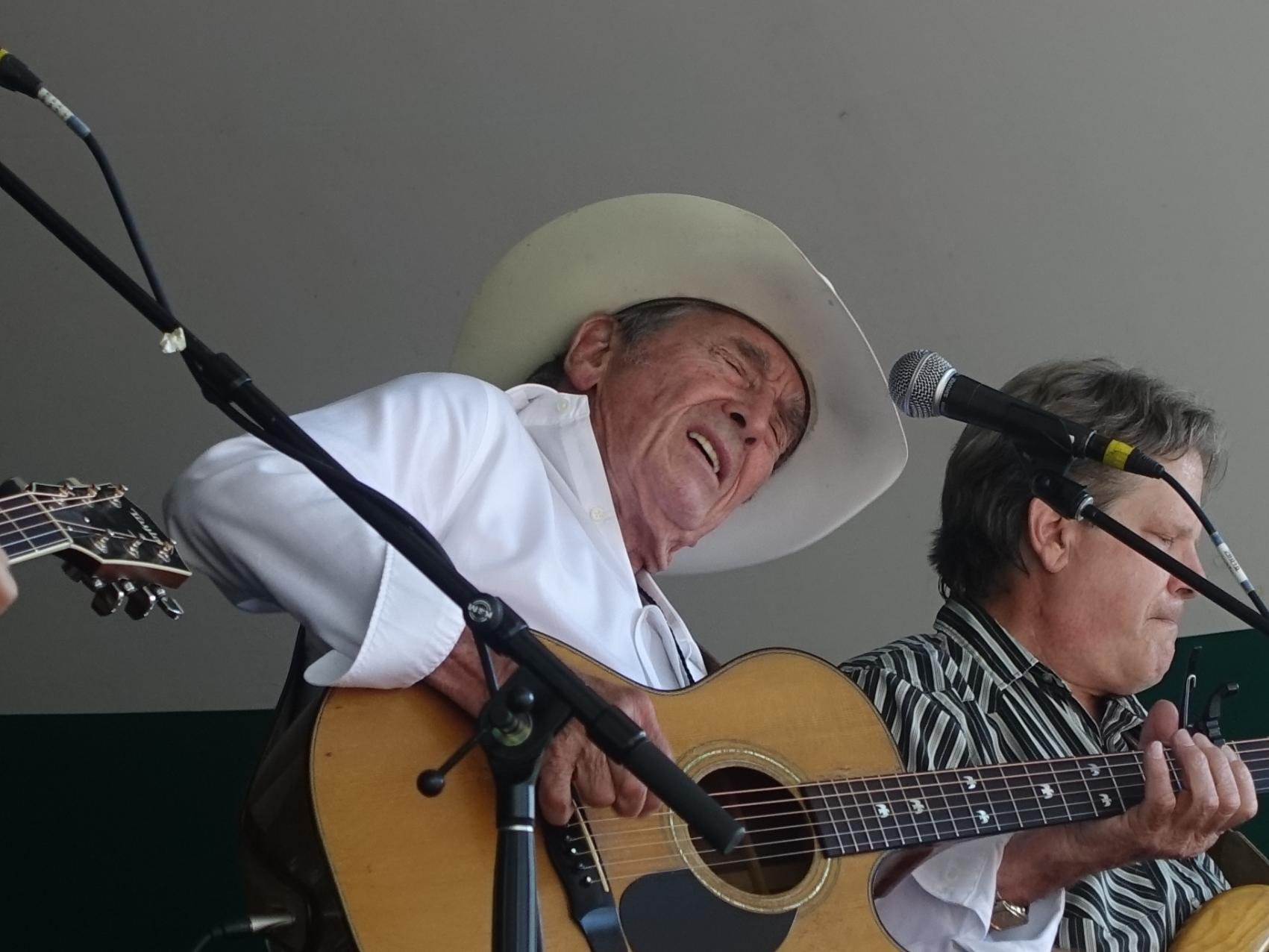
Calgary was home to Ian Tyson, one of Canada’s signature cowboy singer songwriters, until he passed way in December 2022.
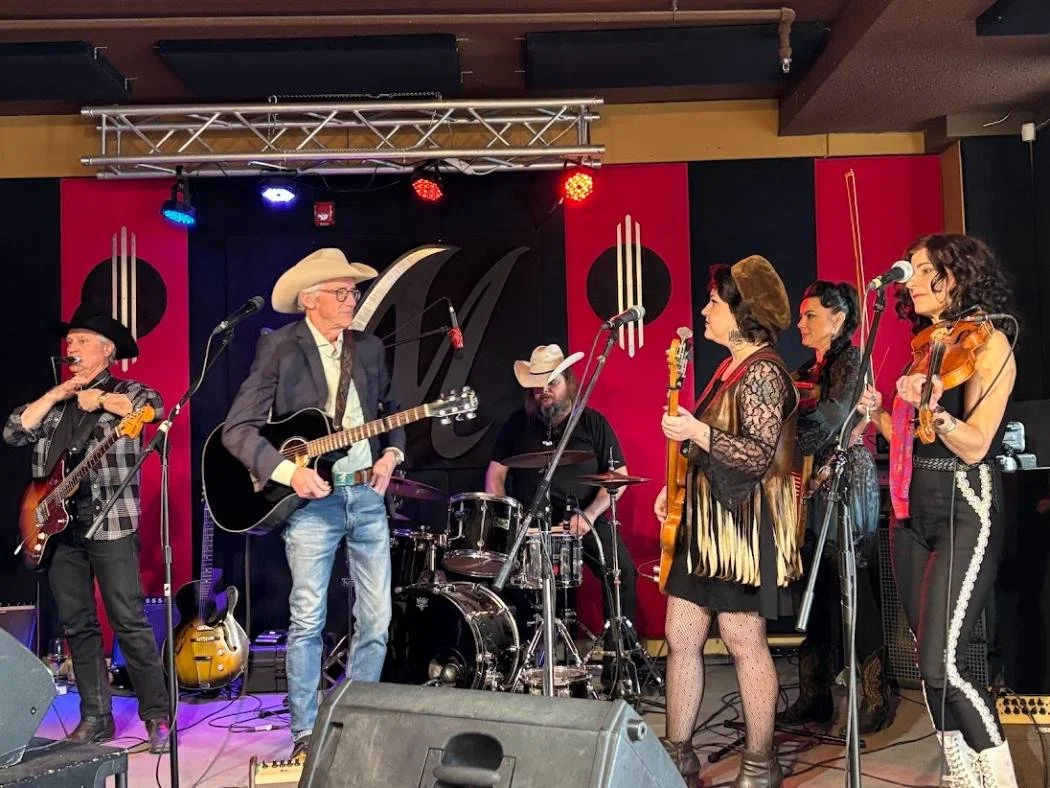
Tom Phillips & the D.T.s, a six-piece band are currently Calgary’s leading honk-tonk country music band. They play regularly at various venues across the city every month.
Residential Development vs Live Music Development
In December 2024, The Blues Can had to move from Inglewood and the Music Mile to Banff Trail and the TransCanada Highway (not exactly a great pedestrian street), because the landlord wanted to build an apartment block on the site.
Currently, 17th Avenue’s iconic music venue, The Ship & Anchor is threatened by a new residential development next door and above it. The owners have a valid concern that new residents moving in won’t be happy having a rowdy music venue close-by. This may result in them having to move.
Calgary’s iconic cowboy bar, the Ranchman’s Cookhouse & Dancehall sat all by itself on Mcleod Trail for years and soon will be moving to a temporary location, while the site gets redeveloped as a new residential village. The new building will never have the ambience and aroma of the old building’s patina and one must wonder if it will be successful when it is surrounded by residences.
Mikey’s Juke Joint was never the same after it had to moved twice into more modern buildings from its raunchy 10thAve and 19th Street SW location that smelt and looked like an authentic juke joint. Eventually, it simply closed.
Fact: Calgary’s strong economic development makes it difficult for private music venues to survive - and for musicians to live here.
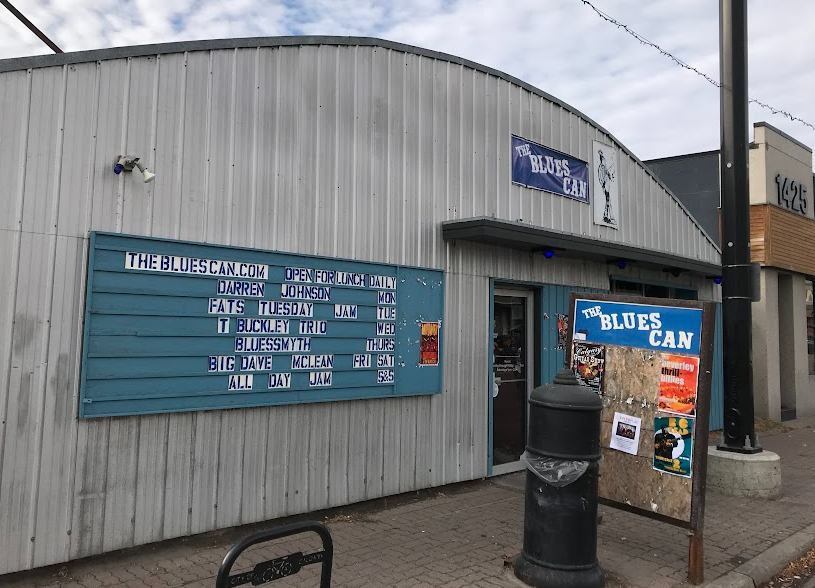
The Blues Can was literally an old quonset hut converted into live music venue. It had the grit and grime of an authentic juke joint for blues music. Unfortunately it has been torn down to make way for a small residential development.
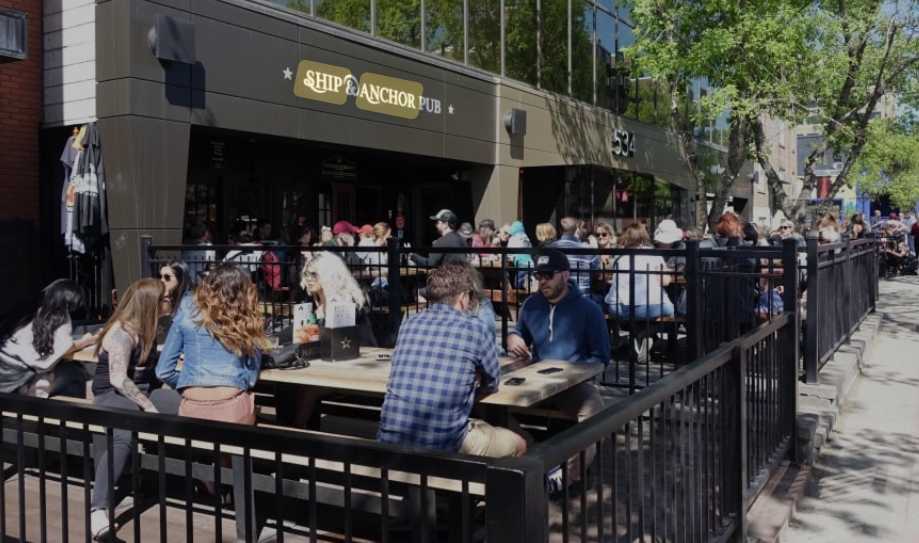
The Ship & Anchor is Calgary’s signature pub on 17th Ave SW. Its patio is popular year round with live music inside. However, the building next to it and office above are being considered for residential development, which could jeopardize the pubs’ operations.
Music Cities / Tourist Streets
Great “Music Cities” have great music streets, lined with venues offering music 7 days a week – think Beal Street in Memphis, Lower Broadway in Nashville, Frenchmen Street in New Orleans and South Congress in Austin. They are rowdy places at night with drinking, dancing and partying - mostly by tourists, not locals - on the streets.
Remember Calgary’s “music mile” initiative launched in 2016? Probably not as it was a strange branding effort. Why? Because it wasn’t true. There was no mile of contiguous live music venues. The idea was to brand 9th Avenue from the performing arts centre into Inglewood as Calgary’s music mile given there were 20 live music venues along it. But there is also a huge gap in the middle i.e. Fort Calgary Park. And only a few– Blues Can, Ironwood Bar, King Eddy and Grill and Café Gravity – had music on a regular basis.
Calgary’s live music scene suffers from being very fragmented. Today, you have Ironwood in Inglewood, The Palace and Palomino in downtown, The Ship & Anchor and Whisky Row along 17th Avenue SW, Blues Can along 16th Ave NW, Border Crossing Pub, Big Al’s Bar & Grill and EC Fusion and Lounge along International Ave on the east side of the city. Ideally, all these venues would be located within a block or two, creating a create a critical mass of venues to attractive tourists who love to roam the street moving from one venue to another.
In a perfect world, The Palace would be Calgary’s equivalent of Nashville’s Ryman Auditorium, New York’s Carnegie Hall or Toronto’s Massey Hall offering a diversity of headliners performing every night. And it would be surrounded by pubs, coffee houses and restaurants offering live music along Stephen Avenue Walk.
There is a possibility Stampede Park’s 4th Avenue SE (once branded as Cowboy Trail) could become Calgary’s long awaited music street with the Big Four and Cowboy’s Casino becoming year-round live music venue anchors – providing they don’t get torn down for hotel or residential development and the lust of the mega event.
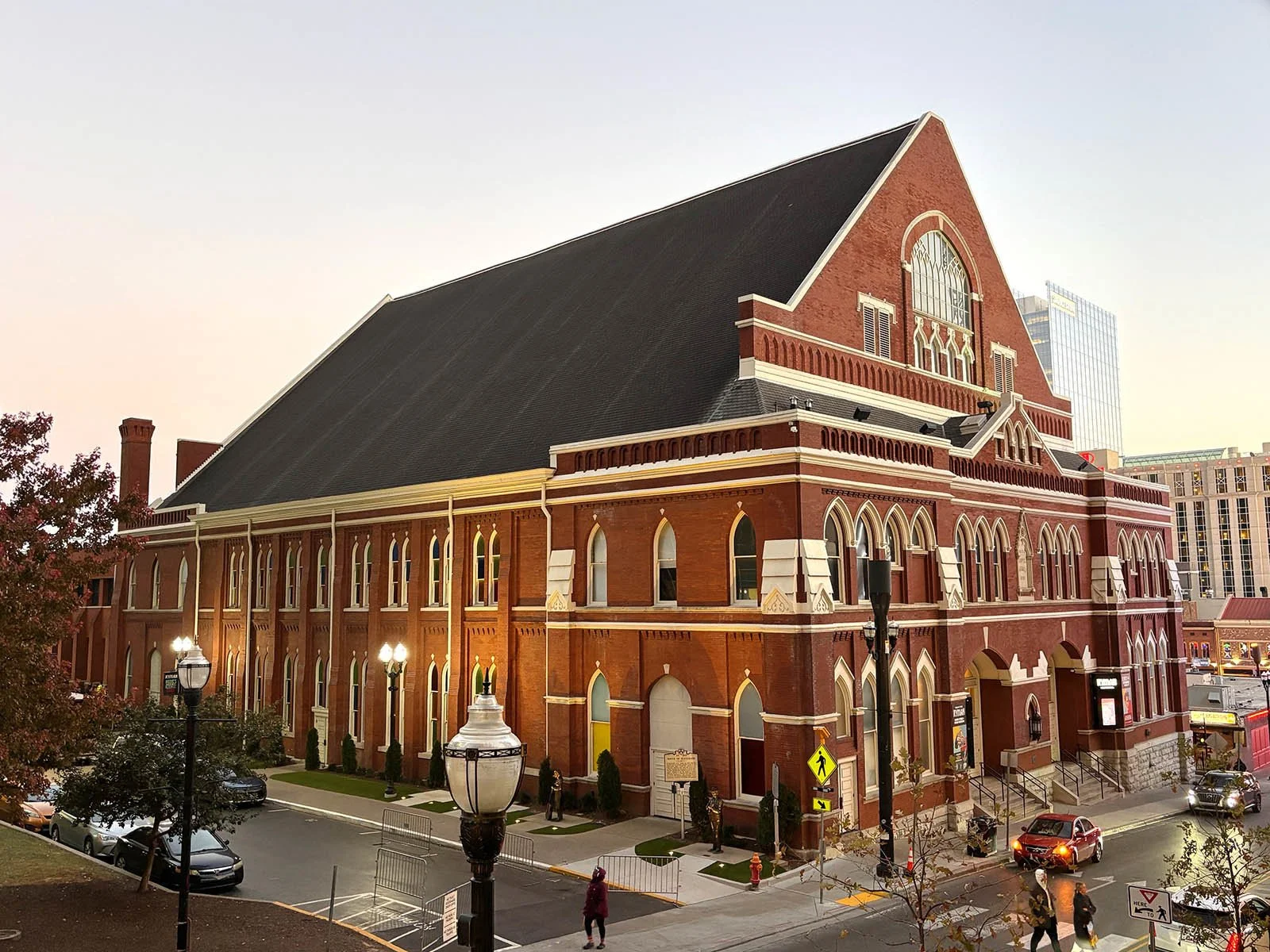
Nashville’s Ryman Auditorium is an iconic music hall with headliners performing almost every night.
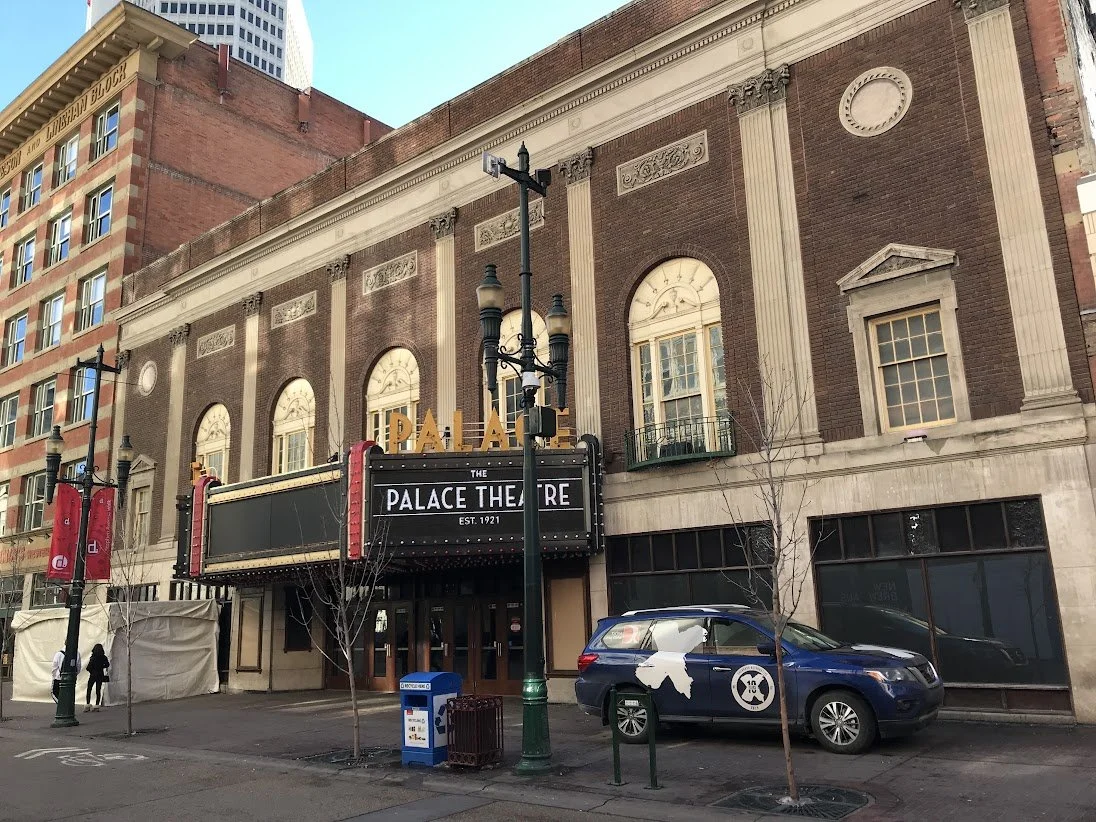
Calgary’s Palace Theatre features electronic dance music, hip-hop, indie rock and alternative touring acts mostly on weekends
Live Music vs Music Festivals
Because Calgary’s live music venues don’t have the “music tourist” traffic that recognized “music cities” have, our venues must depend on locals coming out not just on the weekends, but Monday through Thursday to support them. But for many Calgarians, music festivals, not live music venues, are more their thing.
And Calgary has an impressive line-up of annual music festivals that allow citizens to get their folk, blues, jazz etc. fix once a year. Block Heater, East Town Get Down, Sled Island, Stampede Music Program, International Folk Music Festival, Calgary Bluesfest, Spruce Meadows Music Program, Honens Festival, Jazz YYC Summer Festival and Chasing Summer to name a few.
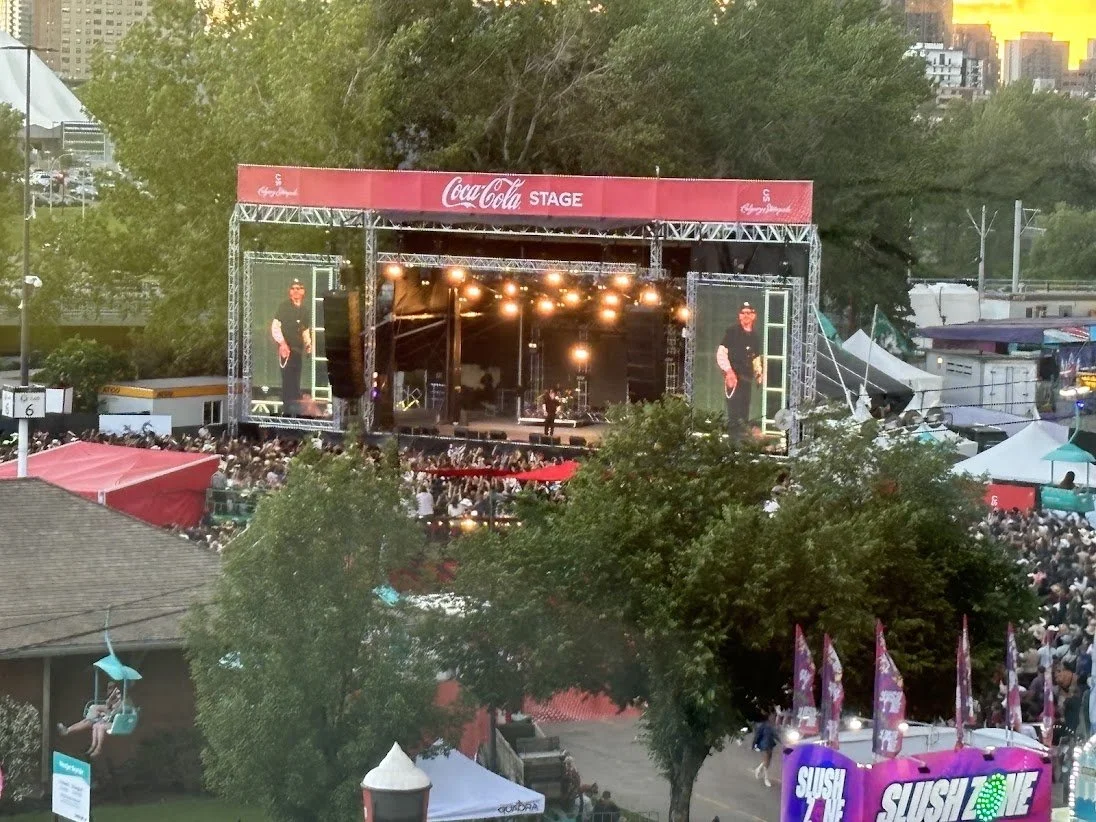
During Stampede the Coca-Cola Stage becomes an amazing outdoor music venue. However it is only for 10 days, to become a true music city it would have to be open for the entire summer.
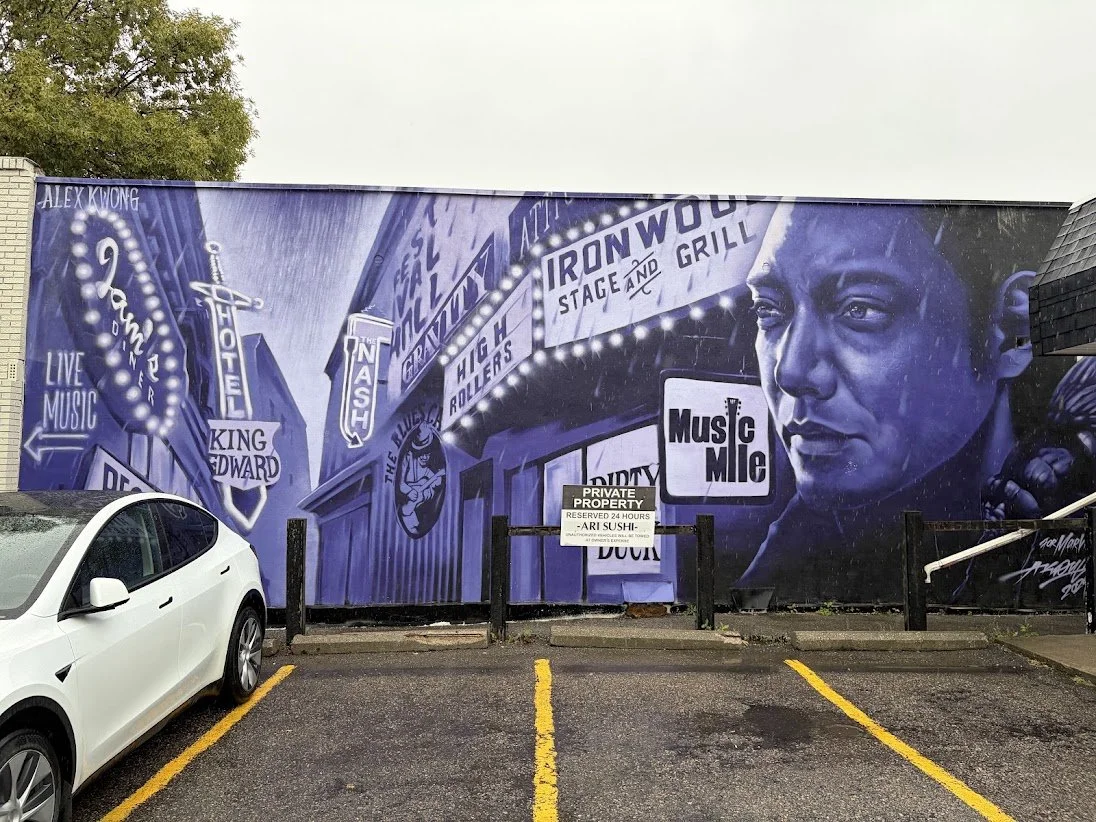
You will find this Music Mile mural along Atlantic Avenue aka 9th Ave SE in Inglewood. Unfortunately the street doesn’t really live up to the image of live music street with vibrant nightlife. It is a great street with a diversity of shops, galleries, cafes, restaurants and patios, but is is not party street.
We need to think smaller and grittier?
All three governments have invested over a billion dollars in the creation of new and renovated arts centres in Calgary for literary, performing and visual arts over the past 10 years. Think Glenbow, Arts Commons, Central Library, National Music Centre and Contemporary Calgary. These mega projects are aimed mostly at the high-brow art experiences. But music cities like Nashville are all about small, low-brow, grassroots performances in gritty private venues.
Live music venues don’t have to be huge, new and/or fancy like the renovation of the King Eddy or the conversion of the King Edward school into cSpace. They can be funky coffee house for folk and roots music, or an intimate piano or jazz bars. Old warehouse buildings like those along 10th Avenue railway tracks are great places for live music. The Grain Exchange building used to have a great space in its basement.
What if a Live Music Foundation, (like we have a Parks Foundation Calgary) was created to purchase buildings like the old Mikey’s Juke Joint, the old Blues Can Quonset building or even the new Blues Can building and then leased it back to the operators at or near cost. One of the biggest risks for live music vendor operators is when they are successful, they make the area around them popular, so the landlord raises the rent beyond what is economically feasible or even worse decides to tear down the building and build something bigger for a different use.
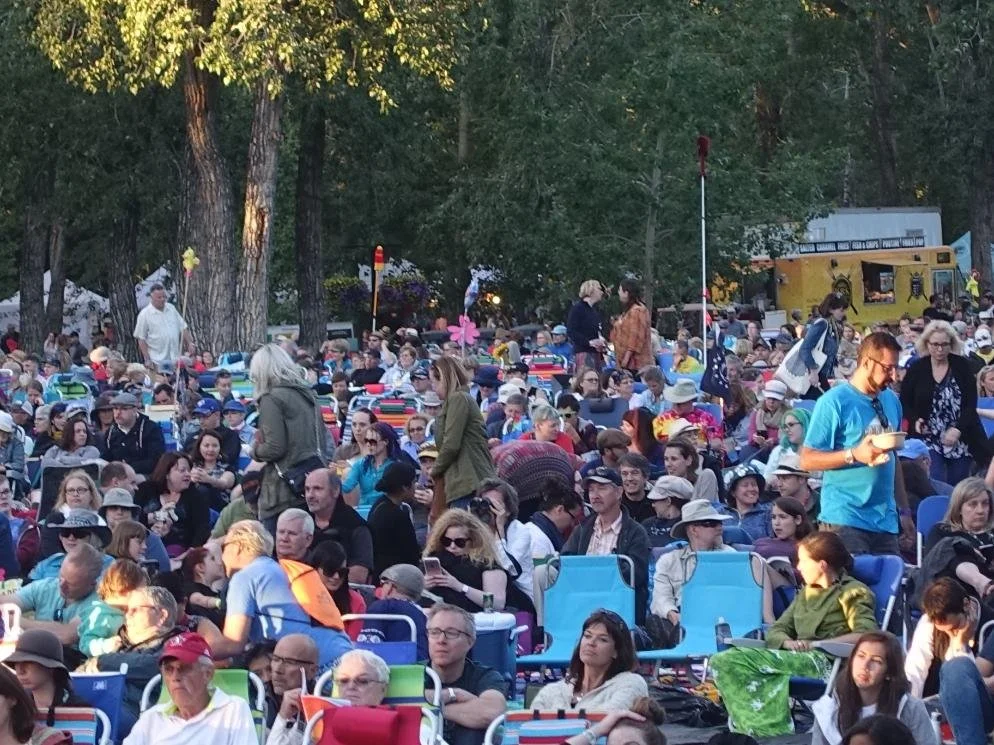
Calgary’s International Folk Music festival on Prince’s Island is just one of dozens of annual music festivals. But a Music City has to be more than just music festivals.
Crazy Ideas?
Could the auditorium in the old W.R. Castell Library be cheaply converted into a live music venue? Let’s think big - the entire building could become studio and rehearsal spaces for artists? The upper floors could become affordable studio living spaces for artists. It is a shame it has sat empty for almost 10 years now.
Could the current or new owners of the empty heritage buildings along the 100 block of 7th Avenue SW next to the Palomino be lease to live music operators to create a music block. Is there a philanthropic owner of the buildings who would be willing to lease the spaces at an affordable cost like what currently happens between the Kahanoff Centre Foundation, Decidedly Jazz Danceworks and dozens of other not-for-profits in the Foundation’s two towers across the tracks in Victory Park?
Calgary Music History Tour
How about celebrating some of Calgary’s music history. There should be a plaque at 1207 First Street SW, telling the story of how Joni Mitchell started her iconic music career at The Depression Coffee House in the building’s basement in 1963.
And another one near the Lancaster Building on Stephen Avenue where Irish Rovers opened the Unicorn Pub (named after their hit song) in 1979.
Alberta Ballet’s Nat Christie Centre also deserves to be on Calgary’s music history tour as it is where Jean Grand-Maitre collaborated with Joni Mitchell, Sir Elton John, Sarah McLachlan, k.d. lang, Gordon Lightfoot, The Tragically Hip and David Bowie to create original ballets based on their music.
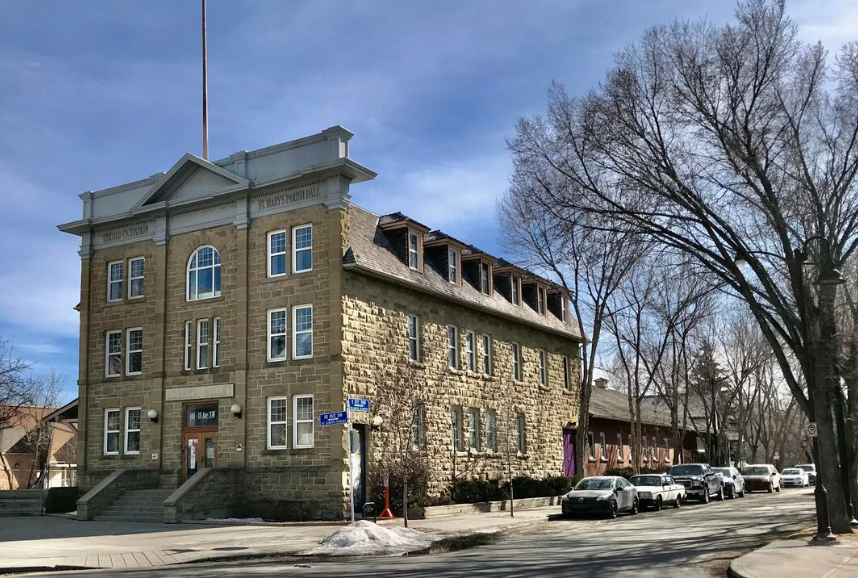
Here is where Jean Grand-Maitre collaborated with Joni Mitchell, Sir Elton John, Sarah McLachlan, k.d. lang, Gordon Lightfoot, The Tragically Hip and David Bowie to create original ballets.
Last Word
While governments and arts organizations continue to commission studies on how to enhance Calgary and Alberta’s music scene, it’s time to stop the “jibber jabber” and get innovative with fostering Calgary as a fun, year-round arts city.
I don’t like raining on Danielle’s parade, but we need to face reality, music is to Nashville, what hockey is to Canada and Calgary.
I am not convinced any government can foster the development of Calgary as a “music city.” It is something that must evolve organically by the music community, public support and the private sector. Create a thriving music scene supported by the locals and the tourist will follow, not the other way around.
