
Africa Safari Dream: From City Wildlife to the Great Migration Wonder
“If you have ever thought about going to Africa, here is a sample of what you can expect…” a land where wild animals walk free, where sunrise brings golden light on endless plains, and where every moment feels like a story you never forget. Africa is not just a place; it is a feeling, it is adventure, it is something deep in the heart. When you visit Nairobi National Park and then travel to Masai Mara National Reserve, you see two different worlds, but both are full of life and magic. One is close to a busy city; the other is wide open with a big animal movement called the "Great Migration." This journey is not a normal trip; it is a real experience of nature, power, and beauty.
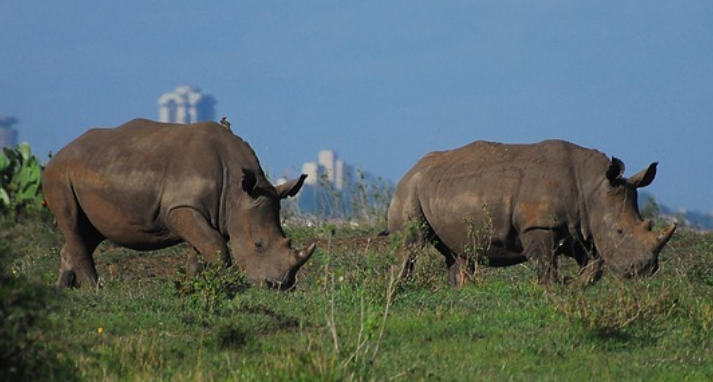
Nairobi National Park – Wildlife Beside the City
Nairobi National Park is one of the most unique parks in the whole world. It is located just a few kilometers from the capital city Nairobi, and you can see tall buildings in the background while lions walk in front of you. This is something very special, because not many places give you wildlife and city together like this.
The park is home to many animals like lions, giraffes, zebras, buffalo, and even black rhinos, which are very rare. When you go for a game drive, you feel surprised every minute. One moment you see a herd of zebras running; the next moment a lion is resting under a tree. The land is open savannah with small bushes and river lines, making it perfect for animals to live free.
Morning time is best for visiting because animals are more active. You can also see many birds, over 400 species, which makes it a paradise for bird lovers. Even a short visit of a few hours gives you a big experience. This park is perfect for people who do not have a long time but still want to experience an African safari.
Another interesting thing is that Nairobi National Park shows you how nature and modern life stay close. While the city is growing, this park still protects animals. It is a symbol of balance and very important for conservation.
Journey to Masai Mara – Heart of Safari
After Nairobi, the journey continues to Masai Mara National Reserve, one of the most famous safari destinations in the world. The road trip itself is beautiful, passing through villages, hills, and open land. When you reach Masai Mara, you understand why people call it a paradise for wildlife.
Masai Mara is known for its large number of animals. Here you can see the “Big Five”—lion, elephant, buffalo, leopard, and rhino. But what makes it most famous is the Great Migration in the Masai Mara, which is one of the greatest natural events on earth.
The land of Masai Mara is wide and open, with golden grass and acacia trees. It looks like an endless painting. When sunset happens, the sky becomes orange and red, and animals move slowly in the shadows. This is a moment people remember for their whole lives.
Local Maasai people also live here. They have a strong culture and traditional lifestyle. Visiting their village gives you a chance to learn about their life, dances, and connection with land.
Great Migration – Nature's Biggest Show
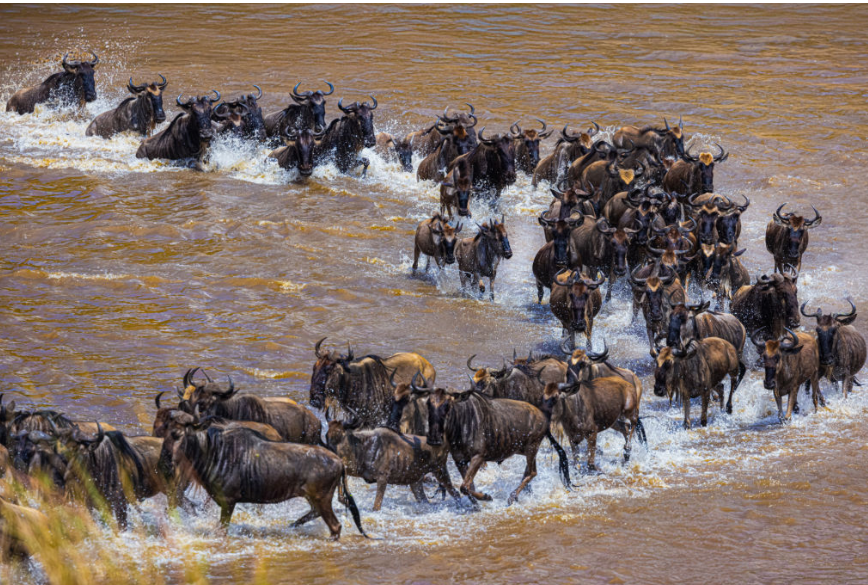
The Great Migration is the main highlight of Masai Mara. It is a movement of more than 1.5 million wildebeest, along with zebras and gazelles, traveling between Serengeti National Park in Tanzania and Masai Mara in Kenya. This journey is not simple; it is full of danger, struggle, and survival.
The wildebeest migration usually happens from July to October when animals cross the famous Mara River. This river crossing is the most dramatic part. Crocodiles wait in water, and many animals risk their lives to cross. Some make it, some not, and this is a real natural rule.
When you watch this, you feel both excitement and sadness. It shows how strong animals are and how life in the wild is not easy. The sound of thousands of hooves, dust in air, and movement like a river of animals is something no words can fully explain.
This migration is not just about movement; it is a cycle of life. Animals move for fresh grass and water. Without this journey, many would not survive. It is a perfect example of nature's balance.
Wildebeest Migration—Endless Movement
The wildebeest migration is the central part of the Great Migration. These animals travel in huge numbers, forming one of the largest animal groups on the planet. They move in a circle pattern across the ecosystem, always searching for better conditions.
Calving season starts in the Serengeti around January to March, where thousands of baby wildebeest are born in a short time. This attracts predators like lions and hyenas, making it an intense survival period. Then slowly, herds begin to move north towards Masai Mara.
By mid-year, they reach Masai Mara, where the grass is green after rains. This is when tourists come most to see the migration. The movement continues until October, and then animals return to the Serengeti, completing the cycle.
This migration is important not only for animals but also for the environment. It helps maintain grassland, spreads nutrients, and supports many species. Without wildebeest migration, the whole ecosystem would change.
Safari Experience – What You Feel
Going on safari in these places is not just seeing animals; it is feeling a connection with nature. Early morning drives, cold air, and first light touching land create a peaceful atmosphere. Then slowly animals appear, and your heart beats faster.
You sit in an open jeep, listening to a guide and watching tracks, and suddenly you see a lion or elephant. It is not like a zoo; it is truly wild. Animals are free, and you are a guest in their home.
Evenings are calm, with sunsets and sometimes campfires. You hear sounds of night, maybe the distant roar of a lion. It is a mix of excitement and calmness.
Accommodation in Masai Mara ranges from luxury lodges to simple camps. No matter what you choose, experience remains special. Sleeping in the middle of the wilderness is something unforgettable.
Best Time to Visit
The best time for visiting Masai Mara National Reserve for migration is July through October. This is when wildebeest cross into Kenya and river crossings happen.
For Nairobi National Park, you can visit all year, but the dry season (June to October) is better because animals gather near water and are easier to see.
The weather is generally warm in the day and cooler at night. It is important to carry light clothes but also jackets for early morning drives.
Why This Journey is Special
This journey from Nairobi National Park to Masai Mara is special because it shows two sides of Africa. One is near the city but still wild, and the other is deep wilderness with large-scale natural events.
You experience close encounters with animals and also the big picture of the ecosystem. You understand how animals live, move, and survive. It is education and adventure together.
Also, this journey gives you respect for nature. When you see how everything is connected, you realize the importance of protecting these places.
Travel Tips for Visitors
Planning a safari needs some preparation. Always book with a good tour operator who knows the area well. Guides are very important because they help find animals and explain behavior.
Carry a camera, binoculars, sunscreen, and a hat. Respect animals by keeping distance and following rules. Do not make noise or disturb wildlife.
Also, try to learn little about local culture, especially Maasai people. It makes your journey more meaningful.
Final Thoughts
An African safari is not just a trip; it is a memory for a lifetime. From the unique beauty of Nairobi National Park to the powerful movement of the Great Migration in Masai Mara National Reserve, every moment brings something new.
The wildebeest migration shows you the true face of nature—strong, wild, and real. It is not perfect, but it is beautiful in its own way.
If you ever think about Africa, do not wait too long. This place is calling, and when you go, you will understand why people fall in love with it again and again.
