Why Maui Should Be Every Canadian's Next Island Escape (And How to Explore It Right)
Summer is the season when the travel itch becomes impossible to ignore. The calendar clears, the mood lifts, and suddenly every destination looks like a good idea. But somewhere between the all-inclusive resort catalogues and the overcrowded European city breaks, a quieter question tends to surface: what if this summer you went somewhere that actually surprised you? Maui has a habit of doing exactly that. Most people book it expecting postcard beaches and a pool-bar playlist. What they discover, if they wander even slightly off the obvious path, is an island that rewards curiosity the way great cities do. Layer after layer, every time you look a little closer.
Maui sits at the crossroads of dramatic geology, living culture, extraordinary food, and some of the most accessible marine wilderness on the planet. It is Hawaii's second-largest island, and unlike Oahu, which can feel like a city that happens to have beaches, Maui moves at a pace that actually allows you to notice things. The flaneur spirit that defines a true everyday tourist, that habit of walking slowly and paying attention, translates beautifully here. From the artist studios of Pāʻia to the working cattle ranches of Upcountry, every neighbourhood has its own personality, its own rhythm, and its own reason to linger.
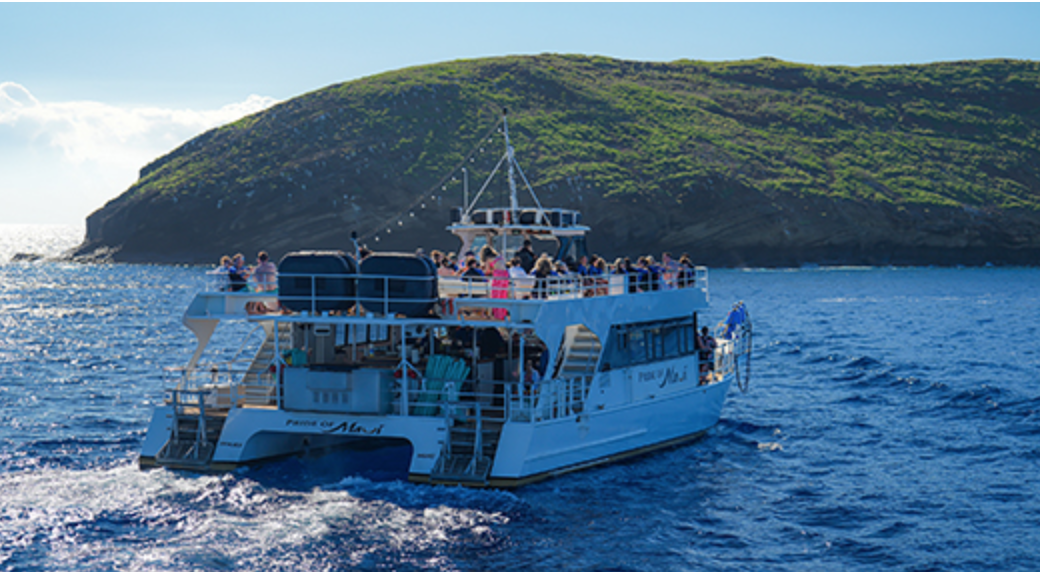
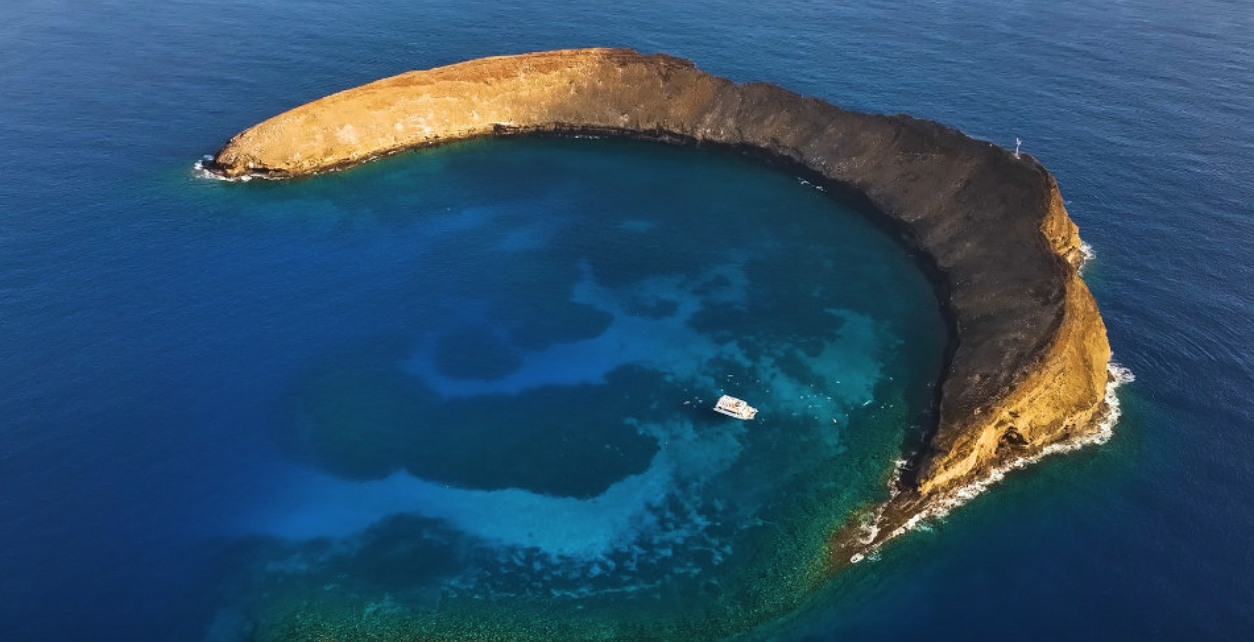
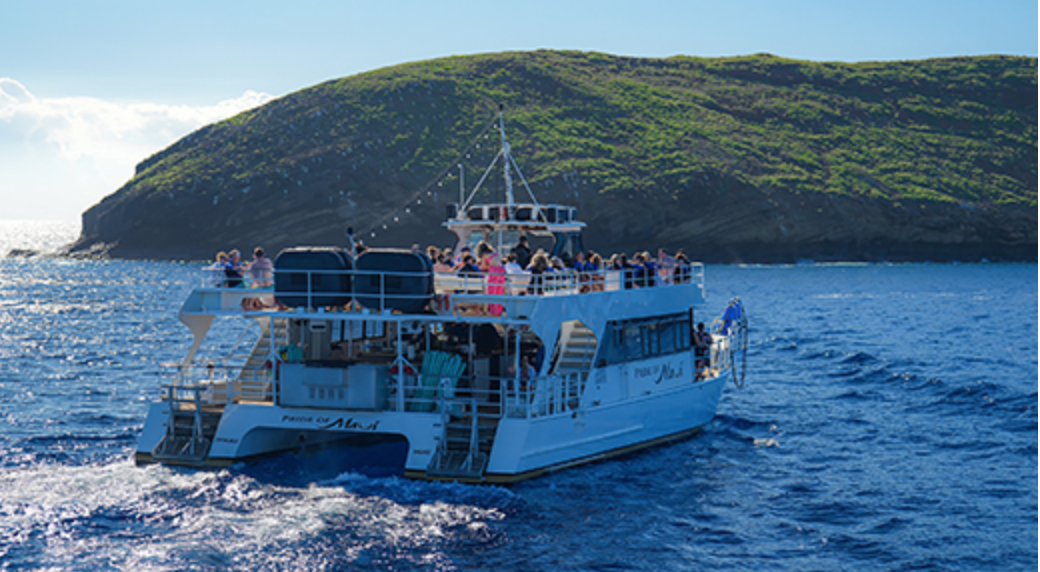
The ocean is where Maui first floors you, and doing it properly makes all the difference. Pride of Maui is a family-owned tour operator with over 40 years of experience navigating Hawaiian waters, and their snorkelling tours to Molokini Crater and Turtle Town rank among the most memorable ways to spend a morning on the island. Molokini is a crescent-shaped, partially submerged volcanic caldera, one of only three in the world open to snorkellers, and on a calm day the underwater visibility can exceed 100 feet. Below the surface you will find over 250 species of reef fish, healthy coral formations, and at Turtle Town, the genuine chance of swimming alongside Hawaiian green sea turtles (honu) in their natural habitat. These are not zoo encounters. The turtles do not perform. They simply exist in their world, and for a few minutes, so do you.
Back on land, the Road to Hāna is the kind of drive that resets something in your nervous system. The 64-mile highway along Maui's northeastern coastline is slow, winding, and deliberately impossible to rush. It passes through bamboo forests so dense the light turns green, over bridges with single lanes and wide open valley views, and past waterfalls that appear around corners without warning. The key to doing it well, and this is the everyday tourist principle at work, is to have no fixed agenda. Pull over when something catches your eye. Follow the trail markers into the jungle. Eat the banana bread from the roadside stand that everyone talks about, because the hype is completely justified. The destination is the drive itself, and it is magnificent.
Haleakalā National Park is another dimension entirely. The dormant volcano rises to 10,023 feet above sea level, and standing at its summit crater at sunrise is one of those travel experiences that defies casual description. The landscape up there looks genuinely alien, a sweeping, rust-red wilderness of cinder cones and lava fields, above the clouds, with the kind of silence that feels earned. The drive up takes about 90 minutes from the coast, and because the park regulates sunrise access through a reservation system, it requires planning ahead. It is absolutely worth it. Watching the sun climb out of the Pacific from that altitude, with the shadow of the volcano stretching across the island below, tends to recalibrate whatever you thought you understood about scale.
Upcountry Maui, the pastoral highland region around Kula and Makawao, is the part of the island that most visitors fly over entirely, which is a genuine loss. Sitting at 3,000 feet, cooler and quieter than the coast, this is where Maui grows its food: lavender farms, organic vegetable plots, tropical flowers, and some excellent vineyards producing Syrah and Malbec from volcanic soil. The town of Makawao has the slightly unexpected atmosphere of an old cowboy town that has been quietly colonised by artists, and the result is wonderful, wooden storefronts housing contemporary galleries, a rodeo ground that still operates, and a pastry shop that has been legendary for decades. It is the kind of place that rewards slow walking and no particular plan.
For urban-minded travellers who need a cultural fix alongside their nature experiences, the town of Lāhainā, or what remains of it after the devastating 2023 wildfire, carries a weight and a history that demands respectful attention. Once the capital of the Hawaiian Kingdom and later a major whaling port, it is a place where layers of history sit very close to the surface. The community's resilience and ongoing recovery effort is itself a story worth understanding before you visit, and doing so adds a dimension to the island that purely scenic tourism rarely captures.
Practically speaking, Maui is straightforward for Canadians. Direct flights from Vancouver and Calgary make the journey manageable, and the island is compact enough, roughly 48 miles long, that a rental car opens up everything described above within the span of a single week. Accommodation ranges from oceanfront condos in Kīhei to luxury resorts in Wailea, with plenty of mid-range options in between. Summer is also a great time to visit for calmer ocean conditions, making snorkelling and water activities especially rewarding, and with long daylight hours, there is plenty of time to fit in both a sunrise at Haleakalā and a sunset on the west coast in the same day.
Maui works precisely because it does not require you to choose between adventure and ease, between nature and culture, between the ocean and the mountains. It is an island that accommodates the curious traveller fully, the one who wants to snorkel a volcanic crater in the morning, eat farm-grown produce at lunch, hike into a bamboo forest in the afternoon, and watch the sun sink into the Pacific over a glass of something cold in the evening. That is not a fantasy itinerary. On Maui, it is just a Tuesday.