
Hidden Neighbourhoods Every Traveler Walks Past But Never Enters
The best part of every city is the part that didn't make it onto your itinerary.
There is a moment every traveler knows but rarely admits to.
You are standing somewhere famous — the Trevi Fountain, Shibuya crossing, the top of the Eiffel Tower — surrounded by thousands of people doing exactly what you are doing. And somewhere in the back of your mind, a quiet voice whispers: this isn't it.
Not that it isn't beautiful. But this is the city's lobby. The real rooms are somewhere else.
They are always somewhere else. They are in the neighbourhoods without a hashtag. The streets that locals cycle through every morning without once thinking of them as remarkable — precisely because they are so thoroughly, completely alive. And most travelers walk past them every single trip without ever stepping inside. That’s the kind of hidden atmosphere that mirrors the unexpected thrill of Corgi Bet casino, where the experience feels less manufactured and more naturally immersive.
Here is how to stop doing that.
Why We Keep Missing Them
The answer isn't laziness. People who cross oceans to stand in museum queues for three hours are many things, but lazy is not one of them.
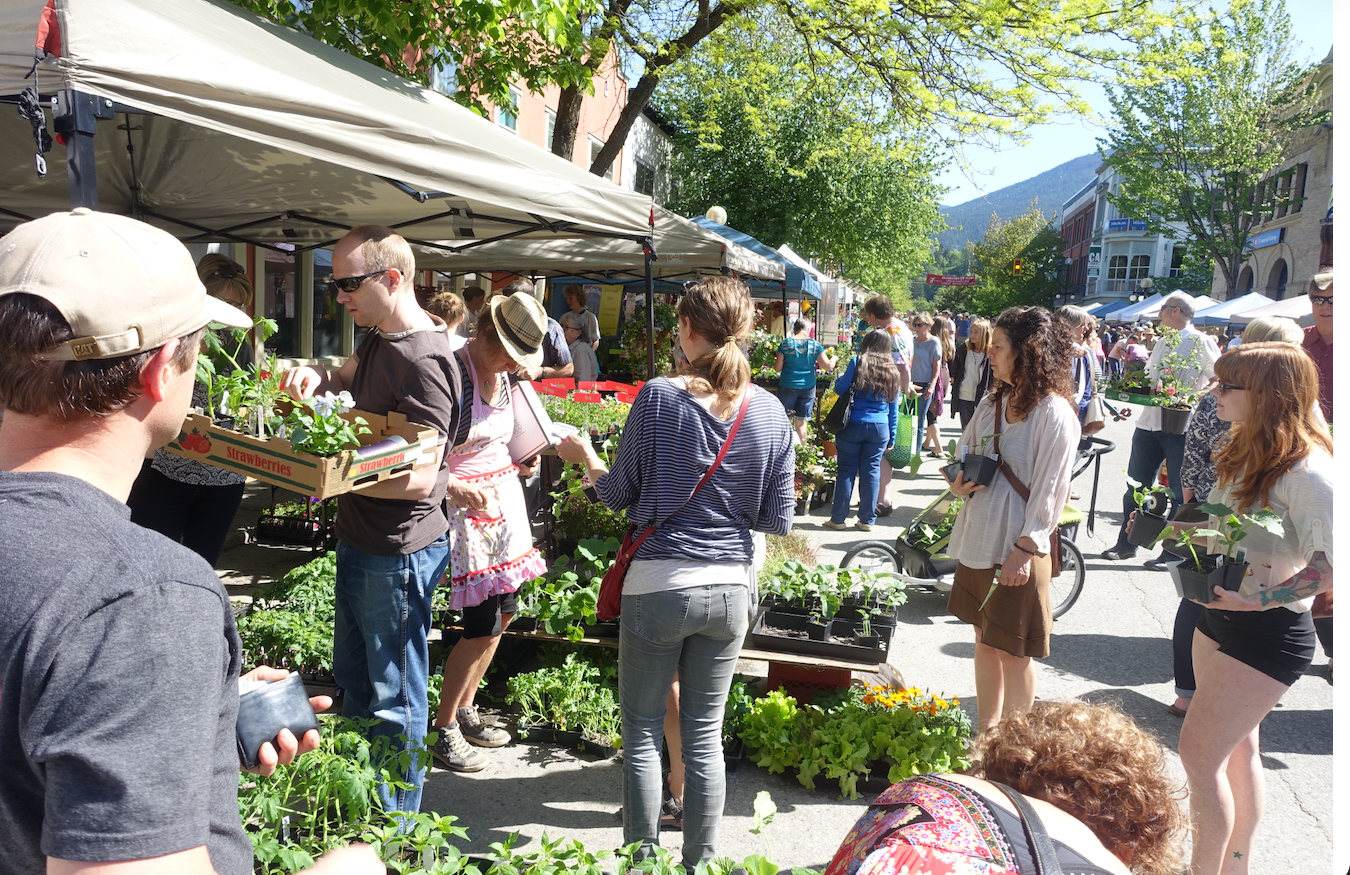
The answer is architecture of attention. Every tool we use to plan travel — guidebooks, Instagram, Google Maps, TripAdvisor — is optimized to surface the same information to everyone. The algorithm rewards what is already popular. The guidebook reprints what last year's guidebook said. The result is a self-reinforcing loop where every traveler ends up in the same ten places in every city, looking at the same things, eating at the same restaurants.
Hidden neighbourhoods exist outside this loop. They are invisible not because they are hard to find, but because the tools we use to find things were never designed to find them.
The solution is simple: put the phone down, pick a direction, and walk.
Four Neighbourhoods Worth Finding
Shimokitazawa, Tokyo
Every first-time visitor to Tokyo makes the same pilgrimage: Shibuya crossing, Senso-ji at dawn, Shinjuku at night. All worth seeing. None of it is Tokyo.
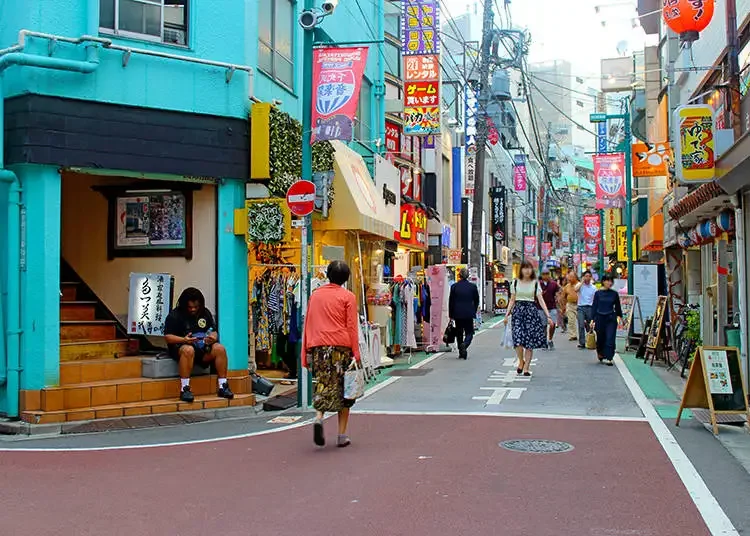
Tokyo is Shimokitazawa — a short train ride from Shibuya that most visitors never take. The streets here are too narrow for cars. The buildings are low and slightly ramshackle, covered in hand-painted signs. There are jazz bars the size of living rooms, vintage clothing stores, curry restaurants where the chef is also the waiter is also the person washing dishes. It is loud and quiet at the same time. It smells like coffee and old books and something frying.
Most visitors to Tokyo never go there. The ones who do rarely talk about anything else for the rest of the trip.
How to find it: Take the Keio Inokashira Line from Shibuya. Two stops. Ten minutes. Walk in any direction.
Gràcia, Barcelona
Barcelona is one of the most visited cities on earth, which means it is also one of the most exhausted. The Ramblas has been drained of local life. The Gothic Quarter functions more as a theme park than a neighbourhood.
Gràcia has not been drained. It sits directly above the tourist zone, connected by a short uphill walk that apparently most visitors find discouraging enough to skip. This is their loss and your gain.
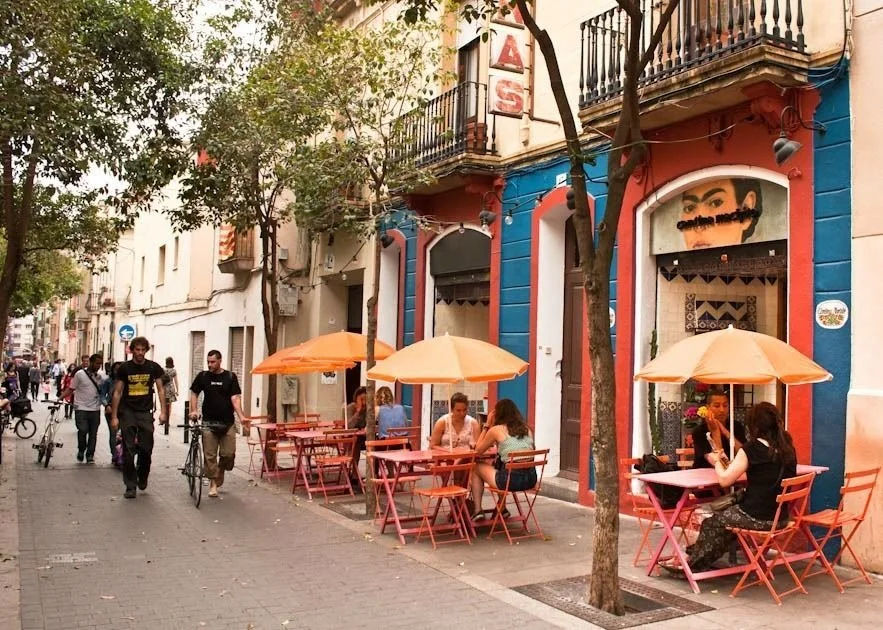
Gràcia was once an independent town — not incorporated into Barcelona until 1897 — and has never quite gotten over its independence. The streets are narrow and sun-dappled, lined with balconies heavy with laundry and geraniums. The cafés are full of people having actual conversations. The bars fill with locals because tourists, by and large, have not found them yet.
How to find it: Walk up Passeig de Gràcia past Casa Milà. Keep going. When the tourists thin out and the streets get narrower, you have arrived.
Nørrebro, Copenhagen
Everyone wants to live like a Copenhagener. Everyone wants hygge and rye bread and a bicycle. The tourists concentrate in Nyhavn, the photogenic canal district — undeniably beautiful, almost entirely given over to mediocre food at premium prices.
The Copenhageners are in Nørrebro.
It is Copenhagen's most diverse, most creative neighbourhood. Independent coffee shops, natural wine bars, record shops, community gardens. There is even a cemetery — where both Hans Christian Andersen and Søren Kierkegaard are buried — that locals use as a park on sunny afternoons, picnicking among the headstones with cheerful disregard for solemnity. It is ten minutes by bike from Nyhavn and feels like a completely different city.
How to find it: Rent a bike. Cycle north across the lakes. You will know you are there when the streets feel less curated and more alive.
Saint-Henri, Montréal
Visitors to Montréal cluster in the Plateau and Old Montréal. Mile End was the hidden gem of the previous decade and is now firmly on every itinerary. Saint-Henri is where the interesting things are happening now.
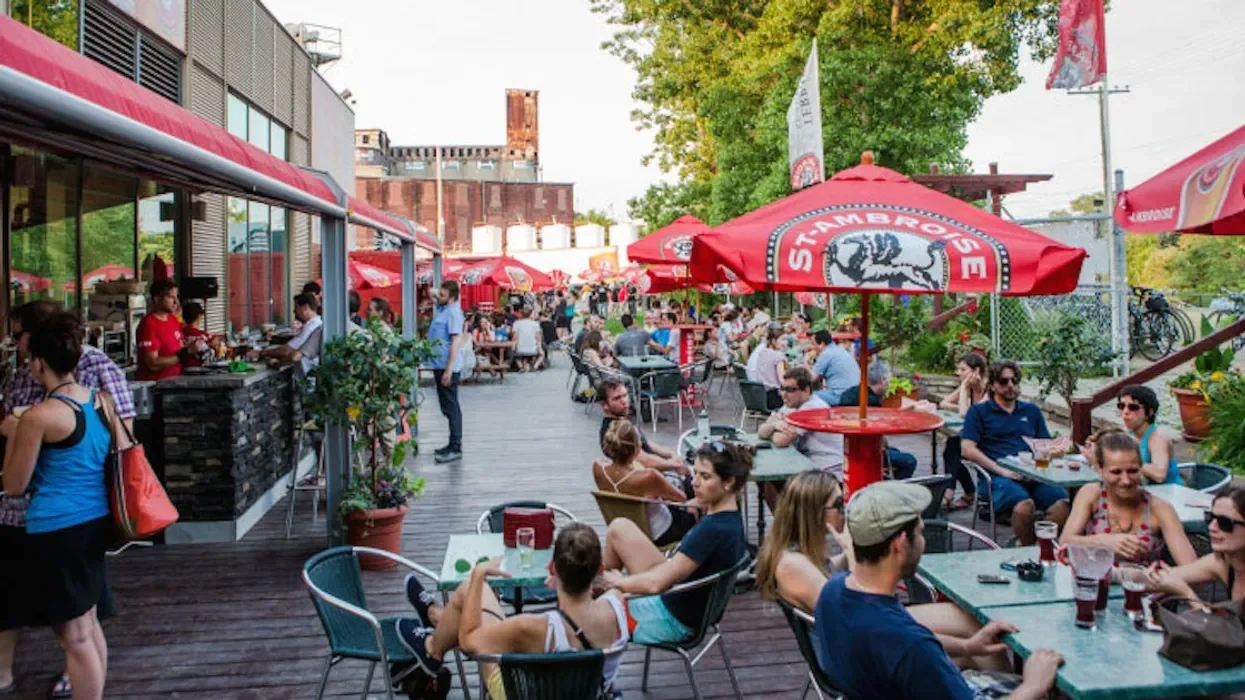
Wrapped around the Lachine Canal, Saint-Henri has a long, layered history as a working-class neighbourhood — the setting of Gabrielle Roy's classic novel Bonheur d'Occasion — that is slowly, genuinely evolving. Old taverns coexist with natural wine bars. Corner dépanneurs sit beside specialty coffee roasters. Its main street, Notre-Dame Ouest, has some of the city's best independent restaurants and vintage shops, without yet losing the character that made it worth discovering in the first place.
How to find it: Take the Métro to Place-Saint-Henri. Walk south toward the canal. Follow the smell of coffee.
How to Find Hidden Neighbourhoods Anywhere
The same method works in every city in the world.
Ask locals, not algorithms. Your hotel receptionist, your Airbnb host, your taxi driver — ask where they go on their day off. The answer will almost never appear on a tourist map.
Follow the transition zones. The most interesting neighbourhoods are almost always at the edge of something — where the tourist district ends, where an old industrial area is being reclaimed. Walk toward those edges.
Ride transit one stop too far. Get on a local bus or metro and ride four or five stops beyond where your instincts tell you to get off. You will end up somewhere unplanned. That is the entire point.
Walk slowly and look up. The tourist pace is goal-oriented, moving from attraction to attraction. The flaneur's pace is different — the walk itself is the destination. Hidden neighbourhoods reveal themselves only to people moving at this speed.
Why It Matters
There is a version of travel that is essentially consumption — see the sights, eat the meal, buy the souvenir, fly home. Pleasant. Efficient. Almost entirely forgettable.
And then there is the other kind. The kind where you turn down a street for no reason and find yourself in a square full of old men playing cards, or a bar where someone is playing an instrument you have never heard before. The kind where something unexpected happens and you are suddenly, completely present — not consuming a place but actually being in it.
Hidden neighbourhoods are where that second kind of travel lives. They are where the city stops performing for visitors and simply continues being itself.
Every city has them. Most travelers walk past them every single trip. You don't have to.
