
Mexico Beyond the Beach: Three Cities Worth Building a Winter Trip Around
Mexico in winter can mean more than flying south for a beach chair. Mérida, Campeche and Querétaro reward four or five slower days, especially for travellers who like markets, neighbourhood restaurants and evenings outside.
The appeal becomes clearer away from the headline monuments. Breakfast at a busy market, music in a neighbourhood square and dinner on a pedestrian street reveal far more about these cities.
When the sightseeing day is over
Back at the hotel, an evening sometimes ends with a football match or other online entertainment. Adults using the RolsBet official site Somalia can find sports, live events and casino categories on its main platform. Local access rules still depend on where the traveller is staying.
Those mainly following sport have a separate section available. Current fixtures and betting markets appear athttps://rolsbet-so.com/en/line, including football, basketball and tennis. After that, the phone can go away and the next morning can start somewhere far more interesting.
Mérida starts early at Santiago
Skip the hotel breakfast once and walk west of Plaza Grande to Barrio de Santiago. Mercado de Santiago has long been a neighbourhood stop for breakfast, fresh produce and everyday shopping.
Panuchos and cochinita are easy breakfast choices here, with coffee available nearby. This feels very different from spending the morning moving between formal attractions. Santiago is still a residential barrio, and the market remains somewhere people actually shop and eat.
Tuesday is particularly good if the timing works. Parque de Santiago is known for evening Yucatecan music and dancing, giving visitors a reason to come back after dark rather than treating the neighbourhood as a breakfast stop.
For another evening, Calle 60 now has roughly 40 food and drink businesses spread across nine blocks. It connects with Mérida’s Calle 47 restaurant corridor, so dinner can turn into a long walk without another attraction booked afterwards.
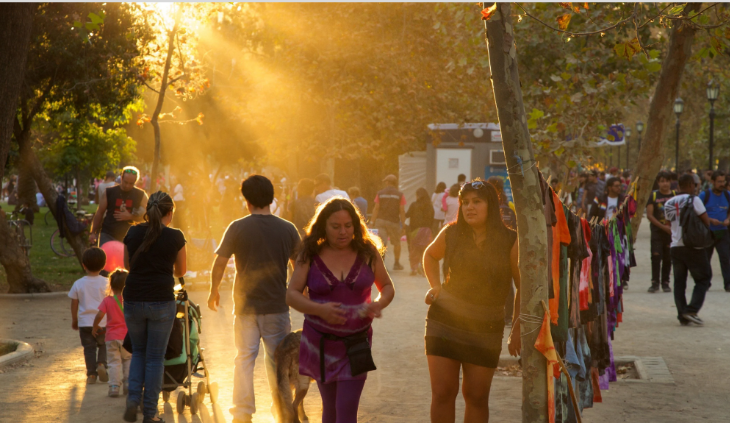
Campeche is better before the café tables come out
Campeche feels quietest early in the day. Calle 59 is especially pleasant before the tables fill the street, with pastel façades running along both sides.
Campeche’s fortified historic centre has been UNESCO-listed since 1999. Old gates and bastions still appear along everyday routes through the centre.
For a less polished side of town, head to Mercado Principal Pedro Sainz de Baranda. Produce, fish, meat and small food stalls make it a working city market rather than a heritage display.
Later, Plaza de la Independencia changes pace as people occupy the benches around the central garden. The Gulf is only a short walk away, so the Malecón can wait until the end of the afternoon.
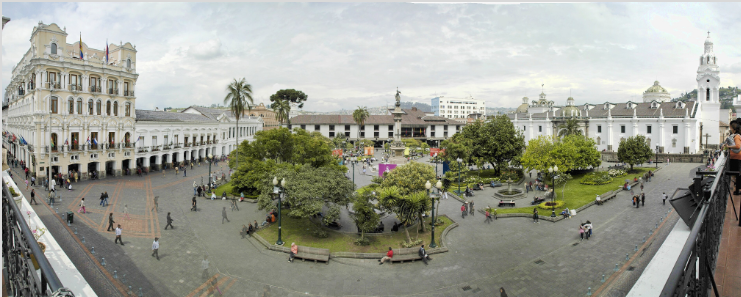
Querétaro gets better once you leave the aqueduct
The aqueduct makes the postcard, but it should not take up the whole afternoon. A better introduction begins around Mercado La Cruz, east of the historic core. In 2026, local tourism officials even created a route connecting the market with the historic centre, recognising it as part of the visitor experience.
From there, continue towards Plaza Fundadores and the streets around Templo de la Cruz. The centre becomes more animated around Andador 5 de Mayo, a pedestrian route linking Plaza de Armas with the area around San Francisco. Restaurants, small shops and food stops share the street with historic buildings.
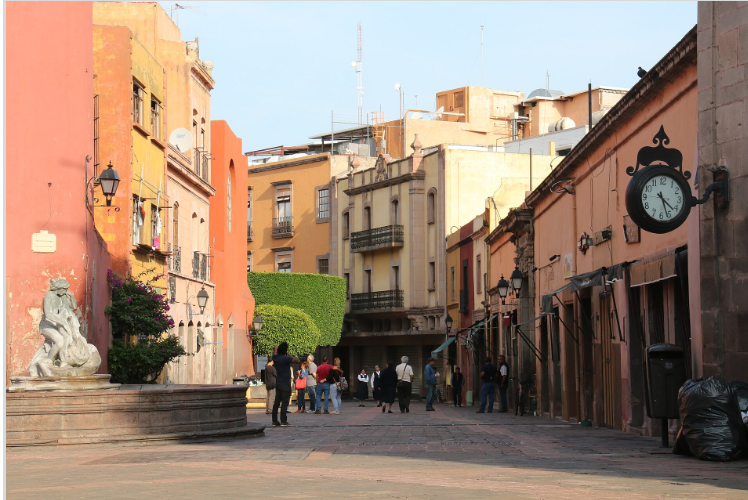
Plaza de Armas is somewhere to sit rather than photograph and leave. Casa de la Corregidora faces the square, while restaurant tables occupy the edges and people cut through on their way elsewhere.
Jardín Zenea adds another version of city life a few blocks away. Instead of planning a straight line between monuments, spend an hour moving between these squares and see where the evening becomes busiest.
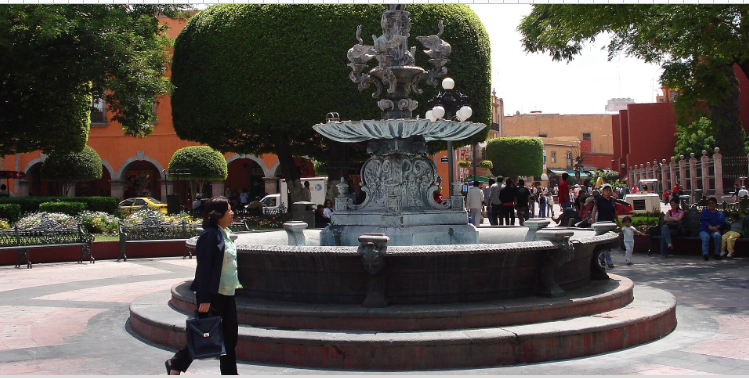
Give these cities more than two nights
Mérida deserves time for Santiago, its evening cultural programme and the restaurant streets north of Centro. Campeche works best when there is enough time for both its postcard-coloured centre and its working market. Querétaro becomes far more interesting after the aqueduct photo is finished.
For Canadians escaping winter, these are better approached as four or five-day stays rather than rushed weekends. The memorable parts are likely to happen between the famous buildings anyway: breakfast beside a market, a crowded plaza after dinner, or a street that looked interesting enough to follow without checking a list first.
