
Paynes Bay: A West Coast Barbados Beach Guide
stretches of sand. This is the heart of the Platinum Coast: a wide sweep of pale golden sand backed by leafy trees and lapped by calm, clear water. It takes about 20 minutes to walk from one end to the other, and the quieter, more scenic half sits to the north, away from the cluster of hotels. Villas line this stretch of sand, including the Kiko villa on Paynes Bay, which makes it an easy place to base yourself. Here is how to spend a day, or a week, on the bay and the coast around it.
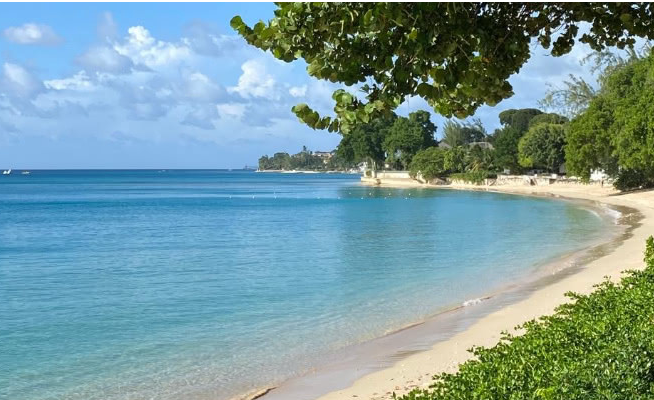
The beach itself
Paynes Bay has three public access points. The easiest is on the south side, next to the fish market, where you will find a couple of parking spaces. The middle access is a narrow alley between houses about 200 metres north of the old Tamarind hotel; there is no sign, so it is easy to miss. The northernmost access runs alongside the wall of the exclusive Sandy Lane resort. Whichever you choose, the beach has lifeguards on duty, public showers and changing facilities, and vendors renting sun loungers and umbrellas by the day. The northern stretch is the one to aim for if you want more room and fewer crowds.
Swim with sea turtles
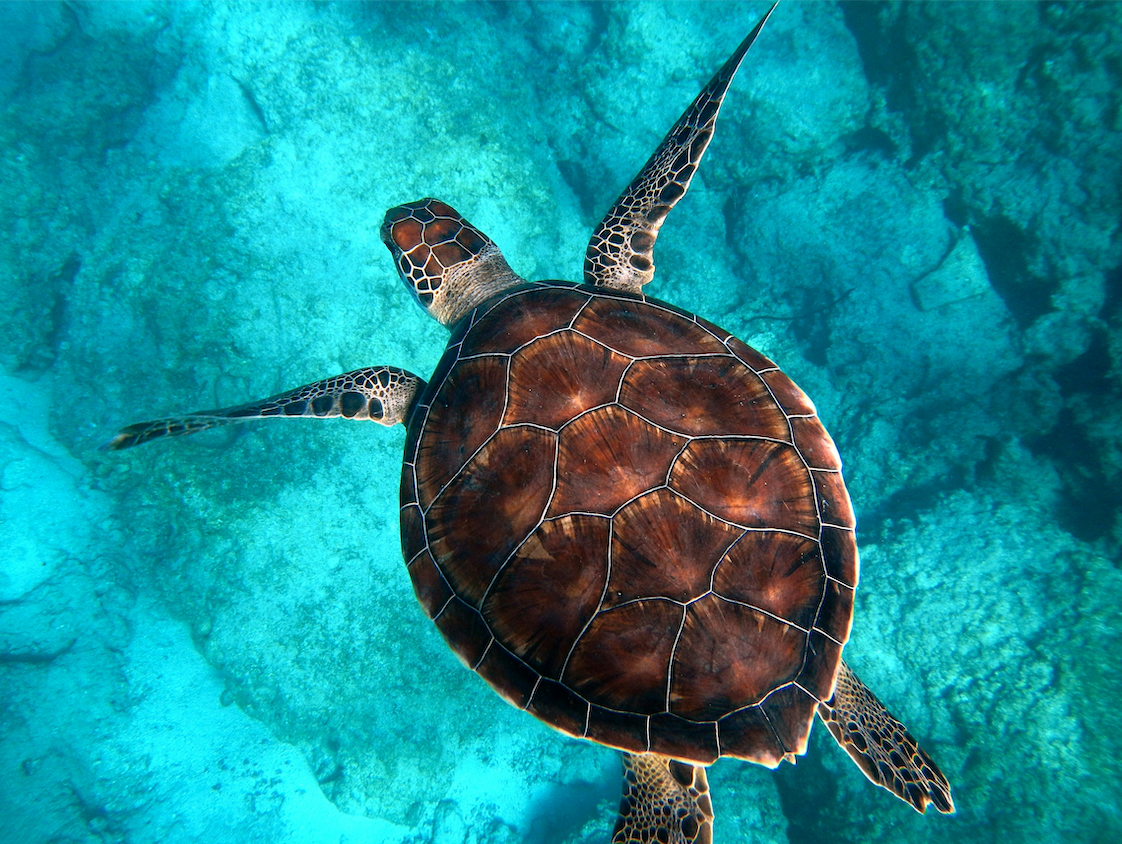
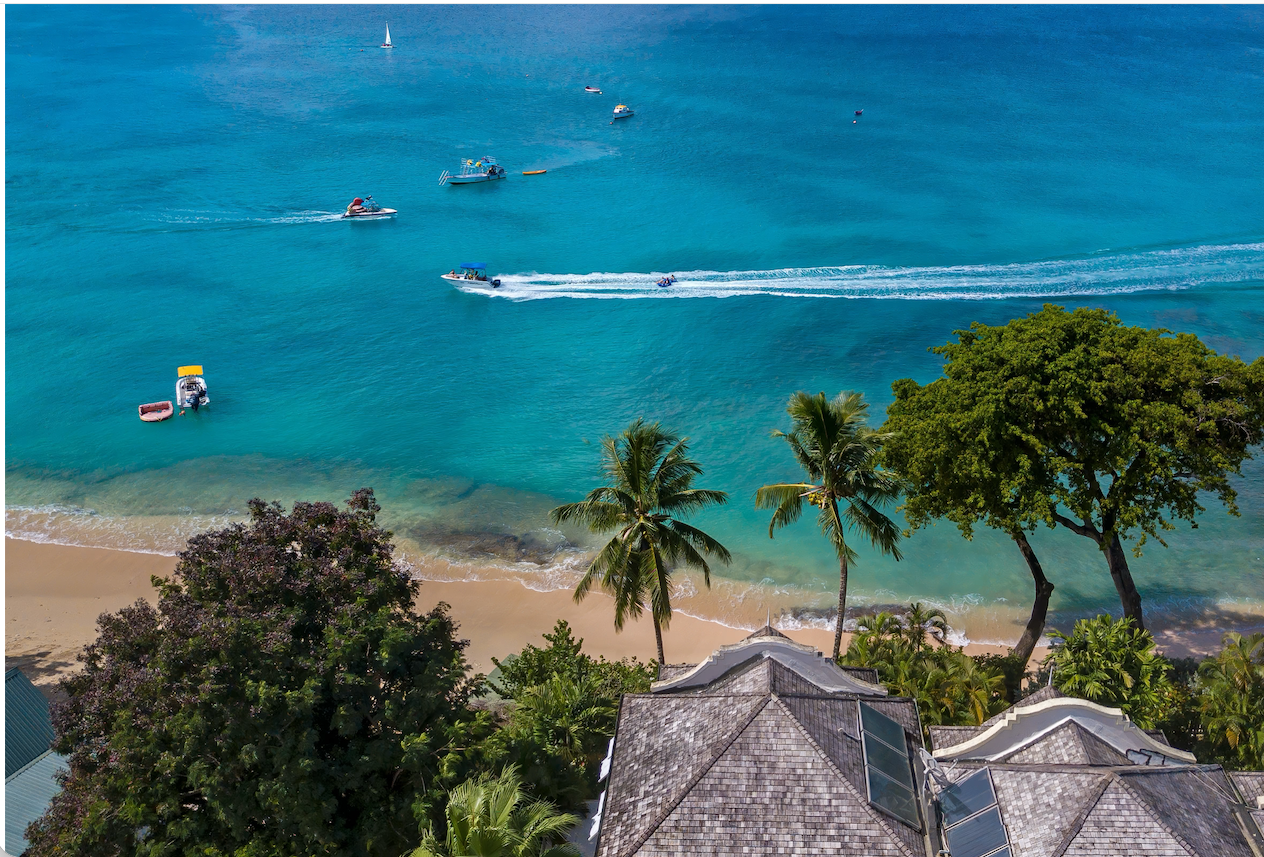
Paynes Bay is one of the best swimming and snorkelling beaches on the west coast. A small reef close to shore, in front of the Treasure Beach area, holds colourful fish within easy reach, so pack a mask and snorkel. The bay’s famous green and hawksbill turtles sit further out, roughly 250 metres offshore in open water where jet skis and speedboats pass, so this is not a swim to attempt alone. The safer and easier option is to join a turtle tour. Glass-bottom boats and short turtle-and-shipwreck snorkel trips start at around US$36 per person, while half-day catamaran cruises that combine turtles, a shipwreck and rum punch run closer to US$115. Back on the sand, beach outfitters rent kayaks and paddleboards and run jet skis, banana boats and catamaran cruises.
The Paynes Bay Fishing Complex
For a break from sunbathing, head to the Paynes Bay Fishing Complex at the southern end of the beach. This working fish market is where local fishers bring in and process the day’s catch, and it is one of the more authentic stops on this part of the coast. You can watch the boats come in and buy fresh fish straight from the source, from snapper and mahi-mahi to the island’s beloved flying fish.
Walk the West Coast boardwalk
When the heat eases, walk north along the coast to pick up the Holetown boardwalk, a flat seafront path that runs along the water’s edge. It is an easy, partly shaded stroll past beaches and villas, with plenty of openings for photographs of the turquoise water and moored boats. Time your walk for the end of the day: the west coast faces the sunset, and the boardwalk and beach bars along it are among the best places on the island to watch the sky change colour, ideally with a rum punch in hand.
Holetown, just to the north
A little further north is Holetown, the oldest settlement in Barbados and the site of the first English landing in 1627. The small Holetown Monument marks the spot, and the nearby St James Parish Church is worth a look for its history: check the bell, which predates the American Liberty Bell by more than 50 years. Holetown is also the island’s smartest place to shop. The Limegrove Lifestyle Centre is an upmarket open-air mall with designer boutiques, a cinema and a good spread of cafes and restaurants. For something more local, browse the colourful chattel houses of Chattel Village for Bajan crafts and souvenirs, and stop into On The Wall Art Gallery to see work by Barbadian artists.
Folkestone Marine Park and Museum
Just north of Holetown, Folkestone Marine Park and Museum protects the coral reefs and marine life along this stretch of coast. Snorkellers can explore the inshore reef, where sea anemones, corals, sponges and tropical fish gather in the shallows, while divers can head out to the deeper artificial reef offshore. The onshore visitor centre has a small aquarium and museum that make a good introduction to the island’s marine life, and the tidy beach and picnic areas make this a family-friendly stop.
Where to eat
The west coast has some of the island’s best dining, much of it a short drive from Paynes Bay. For a beachfront table, The Tides in Holetown is a long-standing favourite for seafood, while Nishi serves Asian and Caribbean flavours and The Mews plates up local cooking in a historic townhouse. For something more casual, Zaccio’s does pizzas and cocktails by the water, and beach bars up and down the coast serve grilled fish and cold Banks beer.
Where to stay
To make the most of the area, base yourself right on the sand. Staying on the bay puts the turtles, the boardwalk and Holetown’s shops and restaurants all within easy reach, and because the west coast faces west, the sunset becomes your evening view.
With calm water, turtles just offshore, a walkable coast and Holetown’s shops and history a short stroll away, Paynes Bay makes an easy and rewarding base for exploring the best of the Barbados west coast.
