
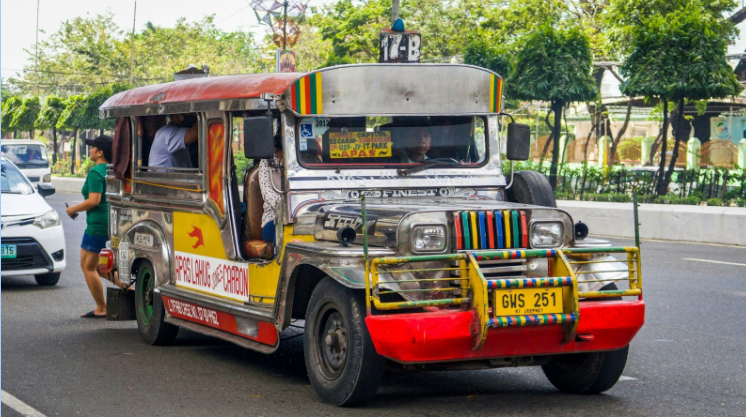
In the Philippines, a sporting event rarely stays inside the venue. It spills into jeepney conversations, into late meals with cousins you only see once a year, into the soft chaos of a weekend trip planned around a tip-off time. Basketball remains the country’s most popular sport, and the habit of travelling for big games has grown alongside streaming, social media, and the constant availability of live statistics.
Even regional basketball can feel like a tourism product when it’s packaged as a hometown celebration. The Maharlika Pilipinas Basketball League (MPBL), founded in 2017 by Manny Pacquiao, is built around local identity and crowd atmosphere, and visitors who come for a packed gym often end up tracking MPBL odds afterward just to keep the post-game arguments alive online.
The Weekend That Moves Money
A full arena is only the headline. The real story is the small economy that forms around it: tricycle rides, iced coffee, barbecue stalls outside the gates, budget hotels filling up because a rivalry game happens to land on a long weekend. When the San Miguel Beermen face Barangay Ginebra San Miguel or TNT Tropang Giga in the PBA, the atmosphere can draw out-of-town fans who treat the trip like a mini-holiday, consisting of shopping in the afternoon, dinner at a mall, a game at night, and highlights on the phone in the taxi back. The PBA’s place as the country’s flagship pro league is long established, and it still anchors significant basketball travel within the Philippines.
Tourism offices don’t always call it “sports tourism,” but that is what it becomes in practice: a reason to book a room, meet friends, and spend locally. The same logic shows up at student events as well. Palarong Pambansa is an annual national multi-sport meet for student-athletes organized by the Department of Education, which moves delegations and families across regions, turning host cities into temporary sports capitals with full restaurants and busy transport hubs.
Courtside Provinces, City Pride
MPBL nights are a different kind of travel: less corporate, more intimate, closer to the way fiestas feel. The league’s teams are tied to provinces and cities, so a win doesn’t only belong to a club; it feels like it belongs to a place. A visitor who comes to see the Pampanga Giant Lanterns or a Manila Digger crowd (the same appetite exists across sports) also comes to eat where locals eat and to hear how locals talk about their own town.
This is where PBA odds enter the conversation without hijacking it. Fans use odds the way they use stats: as a rough map of expectations. A point spread becomes a prompt for analysis. Who’s tired? Who’s injured? Which lineup matches up poorly? In online communities, it’s less about bravado and more about turning a game into a shared puzzle, with the loudest voices often the ones who post clips, box-score screenshots, and calm reminders to treat any wagering as optional entertainment.
Football Nights and Full Streets
Basketball isn’t the only sport that can pull people into motion. Football matchdays have their own travel rhythm, especially when clubs carry a regional identity. The Philippines Football League (PFL), founded in 2017 and recognized as the country’s top professional men’s competition, gives fans reasons to show up in person and explore the host city before and after the whistle. Recent seasons have featured champions Kaya–Iloilo, while clubs like Dynamic Herb Cebu and Manila Digger have also driven attention in the Finals Series format.
A football trip feels different from a basketball trip: more walking, more pre-match meetups, more time lingering. It also attracts a slightly different kind of tourist: someone who schedules a weekend around a match and a beach day, or around a game and a museum visit. In both cases, the social value is the same: strangers become temporary allies, the city gains a story to tell, and local businesses benefit from people who might not have come otherwise.
Second Screens, Real Trips
The new ingredient is not the sport; it’s the digital layer that makes travel feel like participation even before the first ticket is scanned. Fans plan meetups through group chats, follow team updates on official pages, and watch clips that turn a regular-season matchup into a “must-see” event by the next morning. The Philippines has hosted basketball on the world stage, too, and moments like the 2023 FIBA Basketball World Cup opener at the Philippine Arena, where 38,115 fans set an attendance record, show how global events can amplify local travel and pride at once.
In the middle of that digital ecosystem, some adults use MelBet as a companion tool rather than a compass. In practice, a traveller might read injury news, watch warm-up clips, compare PBA odds, and then open a betting site page to see how the market prices the same information before closing it and focusing on the game, the crowd, and the trip itself.
The Souvenir Is the Story
Sport tourism in the Philippines works because it feels like a reunion. You don’t only go to watch. You go to belong for a night. To the city, to the crowd, to the argument about the last possession. Digital platforms preserve that feeling and spread it, carrying highlights across islands and time zones so that even people who stayed home can share the moment.
The healthiest version of this culture keeps the priorities clear. A fan can enjoy statistics, predictions, and even a slight, budgeted flutter, while treating an online casino session as optional leisure and never the centre of the journey. What lasts is the community: the tricycle ride after the buzzer, the street food outside the gate, the shared clip in the group chat, and the sense that the Philippines can turn both travel and sport into one long, welcoming celebration.
