
Visitor Guide to the Oregon Coast
Fog lifts in patches along Highway 101, and the ocean shows up in bright slices between the trees. You pull off for “one quick look,” and then ten minutes pass because the view keeps changing. Even the air feels different, salty and cool, and a little louder with wind and surf.
If a surprise cost hits before you leave, you might see a lender like Net Pay Advance mentioned in quick online comparisons, but it helps to keep that money decision separate from the trip itself. Once the basics are covered, the fun part is letting the coast set the pace, because Oregon rewards slow mornings, scenic pulls, and unplanned stops.
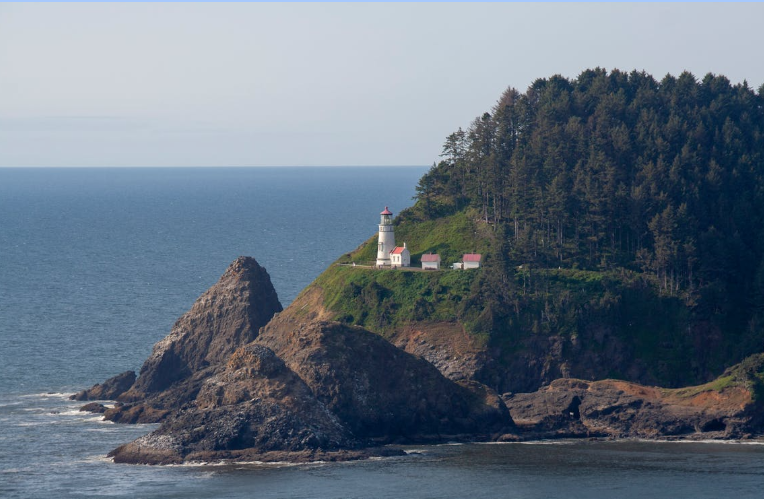
Photo by Sam Jotham Sutharson
The Coast Feels Better When You Pick A Style
The Oregon Coast can feel like a lot if you try to do it all in one go, especially when every overlook looks like it deserves its own hour. It tends to go better when you treat it like one stretch of shoreline instead of a checklist. A North Coast weekend often feels easy and full, while the Central Coast works nicely when you have a little more time to breathe. The South Coast adds longer drives, and that usually means quieter beaches and fewer people once you get there.
It also helps when the day has two natural anchors instead of eight rushed stops. One can be a beach walk timed to a low tide window, and the other can be a proper meal in town where you do not eat in the car. Everything in between can stay loose, like viewpoints, a lighthouse pullout, or a short trail that looks interesting. When the plan is lighter, the coast stops feeling like something you have to “finish.”
Weather is part of the deal here, so the vibe stays better when you dress for it without turning into an expedition. A light rain shell, a warm layer, and shoes you do not mind getting sandy usually cover most days. And a small towel in the car is one of those things you are weirdly grateful for later.
A Two Or Three Day Trip Can Feel Full Without Feeling Rushed
A base town makes the trip feel calmer, mostly because you are not repacking every night.
Choosing A Base Town
The North Coast has classic bases like Astoria, Seaside, and Cannon Beach, and they work well when you want a mix of beach time and town wandering. The Central Coast has spots like Lincoln City, Depoe Bay, and Newport, and those make day trips feel simple. Down south, towns like Bandon or Brookings can be great if you like longer beach walks and quieter evenings.
A Simple Day By Day Rhythm
The first day often works best when it is mostly drive, then one long stop that lets your brain switch over to vacation mode. A beach walk right after check in is perfect for that, even if it is windy and gray, because it still feels like you arrived. Then day two can hold your longer loop, since you are already rested and not staring at a map with road fatigue.
Day three tends to feel best when it stays flexible, because the coast likes surprises. If the morning is clear, it can turn into that quiet photo moment you were hoping for. If it is wet, an aquarium, a maritime museum, or a small gallery can make the day feel cozy instead of disappointing. Either way, the drive home feels easier when you are not squeezing in one last stop at the exact moment everyone else has the same idea.
If you are traveling with kids, the whole thing tends to go smoother when there is one daily “run around” moment baked in. Wide beaches and short forest trails do the job better than long drives and strict timing. And if a dog is coming along, it usually helps to plan for the sandy chaos with a towel and a quick check on leash rules, since they can change depending on the area.
Tide Timing And Ocean Safety Matter More Than People Expect
One of the best parts of the Oregon Coast is how different the same beach looks at different times of day.
Why Low Tide Changes Everything
Low tide can open up tide pools, rock shelves, and little coves that barely exist a few hours later, and it can make a beach feel twice as wide. High tide can still be beautiful, but it often changes where you can walk, especially near rocky areas.
Keeping Space From The Surf
The ocean also deserves real respect here, even on calm looking days. Waves can surge higher than you expect near rocks, and the waterline can move fast when you are distracted by photos. A good rule is keeping a little extra space from the surf, especially when the sand is dark and wet near the edge. .
If you end up near tide pools, the slower approach makes it better for everyone. It is more fun when you are spotting things in place, not touching or moving them, and it keeps the rock surfaces safer too. Even a small headlamp can be handy for late walks, because fog can dim the light earlier than you expect. The coast can feel dreamy at dusk, but it also gets slippery.
The Little Stops Often Become The Best Part
The Oregon Coast is full of “five minute” pullouts that turn into your favorite memory.
Viewpoints And Short Walks
You see a small lot with a view sign, you pull in, and suddenly you are watching waves hit black rock while gulls loop overhead. Those quick stops are part of what makes the drive feel special, because Highway 101 is basically an invitation to wander a bit.
Lighthouses are a classic for a reason, and they are great when you let one be the main lighthouse of the trip. The wind, the views, and the trails around them can take longer than you think, in a good way. Pairing that stop with something warm afterward, like soup or coffee, tends to feel perfect because the coast air can cut right through you.
Towns, Food, And Local Art
Towns are the other half of the coast experience, and they each have their own personality. Some feel food first, some feel artsy, and some feel like they exist mostly to support beach time and quiet nights. It helps when dinner plans are a little earlier than your usual schedule, because small places can close sooner than you expect, especially outside peak season.
If you like art, you can usually find it without trying too hard. Coastal towns often have small galleries, weekend markets, and public murals tucked into side streets. A slow walk after a meal can turn into a mini tour, especially when you are not rushing back to the car.
Money Stuff Stays Easier When It Feels Simple
The budget side of an Oregon Coast trip is mostly about a few big choices, and then a bunch of small ones that add up.
Lodging And Food Without Stress
Lodging usually does the most damage, so it feels good when that is settled early. Sometimes staying slightly inland helps, and sometimes a place with a small kitchen pays off because breakfast becomes easy and cheap without feeling sad.
Food can stay fun without turning into a constant splurge. One “must try” meal a day is a nice rhythm, and then coffee, pastries, or picnic lunches fill the gaps. Grocery shopping can be a little limited in smaller towns, so it can help to grab snacks before you get deep into the coast, especially if you like having options in the car.
Parking, Passes, And Fuel
Parking and day use fees are one of those little things people forget to plan for, and then it feels annoying in the moment. It is not a big deal when you expect it, and the signs usually make it clear once you slow down and look. If you think you will hit several state parks, Oregon’s official parks site is the right place to check pass options and current details.
Fuel is another quiet budget factor, because the coast looks close on a map, but the road is slow and tempting. You stop more, you drive more, and suddenly it adds up. That is part of the fun, honestly, but it feels better when the tank is not flirting with empty in a long stretch with few stations.
By the time you’ve got one base town, a tide window or two, and a loose idea of what you want to see, the Oregon Coast starts to feel easy. Then it becomes less about “doing the coast right,” and more about letting the coast give you a few good days that actually feel like a break.
