
The Escalators That Took Medellín To New Heights
It’s not every day that you can ride an escalator up the side of a mountain while salsa music echoes off concrete walls covered in explosions of color. But in Medellín's Comuna 13, this isn't some quirky art installation or tourist gimmick, it's how people go home. It's how they get to work. It's how they live their daily lives in a neighborhood that has undergone one of the most remarkable urban transformations in Latin America.
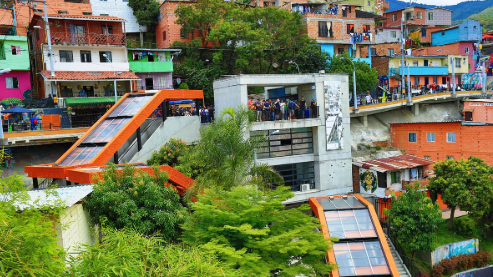
Medellin’s outdoor elevators with their orange roofs are a great way to mix with locals and a unique urban travel experience.
A Neighborhood's Dark Past
Comuna 13 is perched on the steep western hills of Medellín and spent decades as one of the most dangerous neighborhoods in the world. It became a battleground in the days of Pablo Escobar because it provided a network of routes in and out of the city.
The violence peaked in 2002 during Operation Orion, a massive military operation that left the neighborhood traumatized. Residents lived in fear, trapped by geography and circumstance. The steep hillside that defined their home also isolated them and climbing hundreds of steps in the sweltering heat just to reach the main road below was exhausting.
In 2011, the city installed a series of six outdoor escalators stretching 384 meters up the hillside, connecting Comuna 13 to the rest of Medellín. It sounds simple, almost mundane. Escalators. The same technology is found in shopping malls worldwide. But here, they became instruments of social change.
For travelers planning to visit, it's worth noting that before making the journey, visitors should get the CheckMIG for Canadian citizens for quick and simple entry to Colombia.
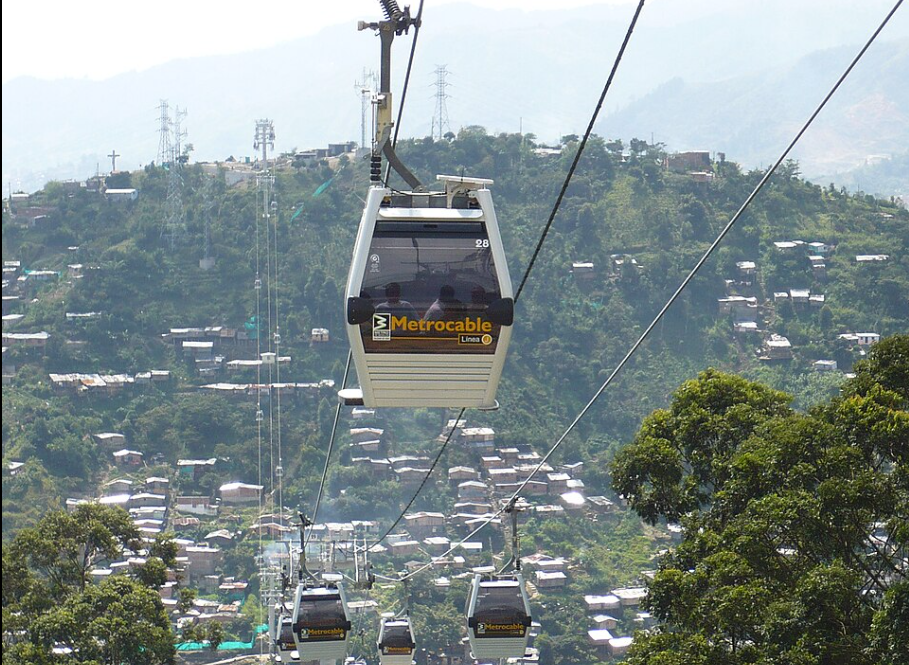
Medellin’s public transit system also includes gondolas, making it one of the most unique cities in the world.
Wandering the Graffiti Galleries
Today, riding those escalators is also a trip through an open-air art museum. Every available surface explodes with color and meaning. The graffiti here is storytelling, resistance, and celebration all spray-painted onto concrete.
Local artists have transformed the neighborhood into a canvas that narrates Comuna 13's journey from violence to renewal. There are tributes to victims of violence, political statements, abstract designs that seem to pulse with energy, and messages of peace that feel both defiant and optimistic.
Walking through these corridors between escalator sections, visitors also encounter local guides who are often young people who grew up here. Their pride is palpable. This is their neighborhood, their story, and they're reclaiming the narrative one mural at a time.
Music is also everywhere in Comuna 13. It pours from windows, booms from speakers at the souvenir stands, and echoes off the walls. Hip-hop artists practice freestyle in small plazas. Salsa rhythms drift down from houses perched improbably on the steep hillside. Sometimes, impromptu performances break out with dancers, musicians, and poets turning the public spaces around the escalators into stages.
This musical energy isn't coincidental either. Comuna 13 has intentionally fostered its artistic scene as part of its rebirth. Hip-hop collectives and cultural organizations work with young people, offering alternatives to the violence that once defined the neighborhood. The music here feels purposeful, like it's actively pushing back against the past.
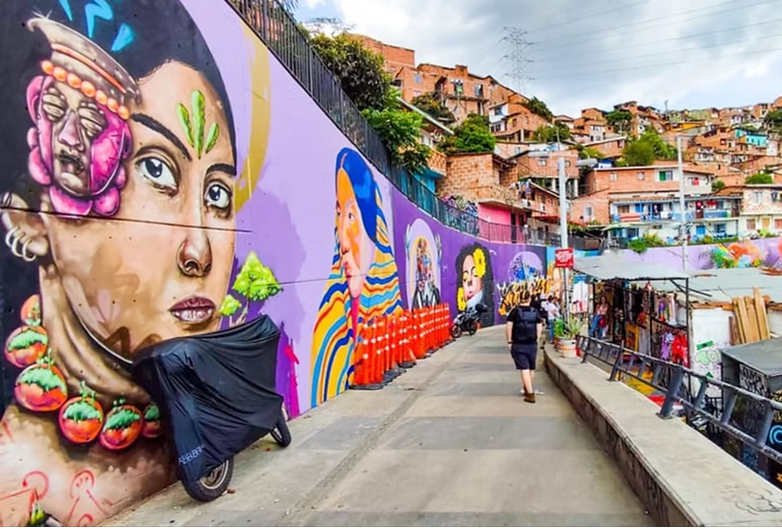
Comuna 13 is known for its street art.
Specific Spots Worth Seeking Out
While most visitors stick to the main escalator route, there are specific places worth finding. Casa Kolacho, a cultural center founded by local hip-hop artists, sits near the top of the escalators and offers workshops, performances, and a deeper dive into the neighborhood's artistic movement. They run graffiti tours led by the artists themselves, providing context that goes beyond what casual wandering reveals.
The Mirador de los Sueños (Lookout of Dreams), a viewing platform at the top of the escalator system, offers the best panoramic views of Medellín. Local photographers often set up here, and on clear days, you can see across the entire Aburrá Valley. It's also where many of the neighborhood's most photographed murals are located.
For those interested in the area's history, the Museo de la Memoria (Memory Museum) in nearby Parque Biblioteca Fernando Botero provides important context about Medellín's violent past and Comuna 13's role in it. It's about a 15-minute walk from the escalators and offers a more sobering counterpoint to the neighborhood's colorful present.
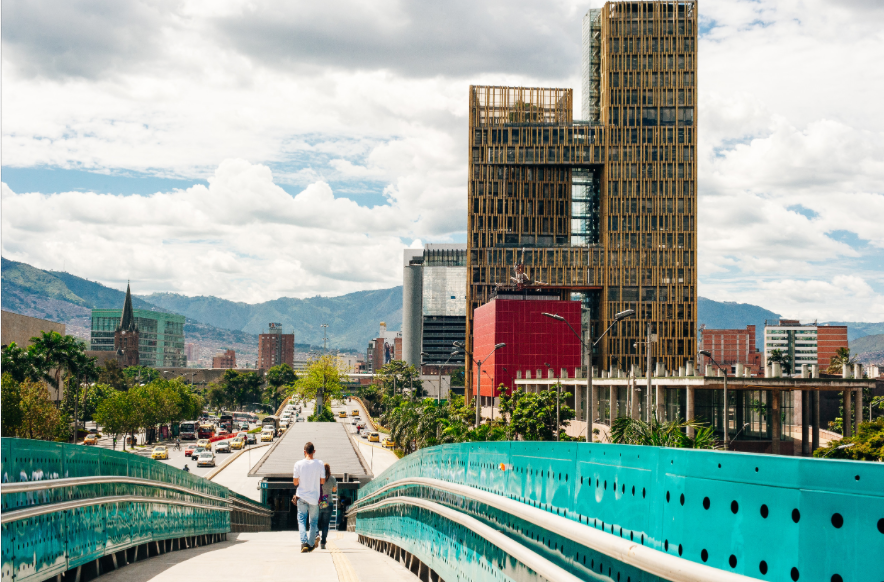
If you are looking for a unique urban experience Medellin is your place.
Exploring the Surrounding Area
Comuna 13 doesn't exist in isolation. The San Javier metro station at the base of the neighborhood connects to Medellín's excellent public transportation system. From here, it's easy to continue exploring. The Metrocable Line J departs from San Javier and climbs even higher into the hills, offering stunning aerial views and connecting to Parque Arví, a vast nature reserve perfect for hiking.
Just a few metro stops away, the Pueblito Paisa in Cerro Nutibara recreates a traditional Antioquian village with whitewashed buildings, a central plaza, and another spectacular city viewpoint. It's touristy but charming, and the contrast with Comuna 13's urban grittiness is striking.
El Poblado, Medellín's upscale neighborhood, is about 30 minutes away via metro and offers a completely different side of the city with trendy restaurants, boutique hotels, and Parque Lleras' nightlife scene. The juxtaposition of visiting both areas in one day illustrates Medellín's complex social geography better than any guidebook could explain.
The Comuna 13 escalators represent something larger than infrastructure. They're a statement about who deserves investment, whose lives matter, and how cities can choose to address inequality. Instead of writing off a troubled neighborhood, Medellín decided to physically and symbolically elevate it. The project cost around $6.7 million which is a fraction of what cities often spend on convention centers or sports stadiums, and it fundamentally altered thousands of lives.
For the everyday tourist wandering through Comuna 13, the experience shows that cities are never static, neighborhoods can transform, and sometimes hope arrives in the most unexpected forms.
