
Three Days on Hvar, Spent Mostly on the Water
Hvar is a stunning Croatian island located in the Adriatic Sea, off the Dalmatian coast. Situated between the islands of Brač, Vis, and Korčula, Hvar is famous for being the sunniest island in Croatia, boasting over 2,700 hours of sunshine per year.Three days is the length of stay Hvar gets most often and handles worst. It is long enough to feel you should be doing something and short enough that a single wasted afternoon costs you a third of the trip.
The plan below assumes you would rather be on the water than in a queue, and that you are willing to eat late.
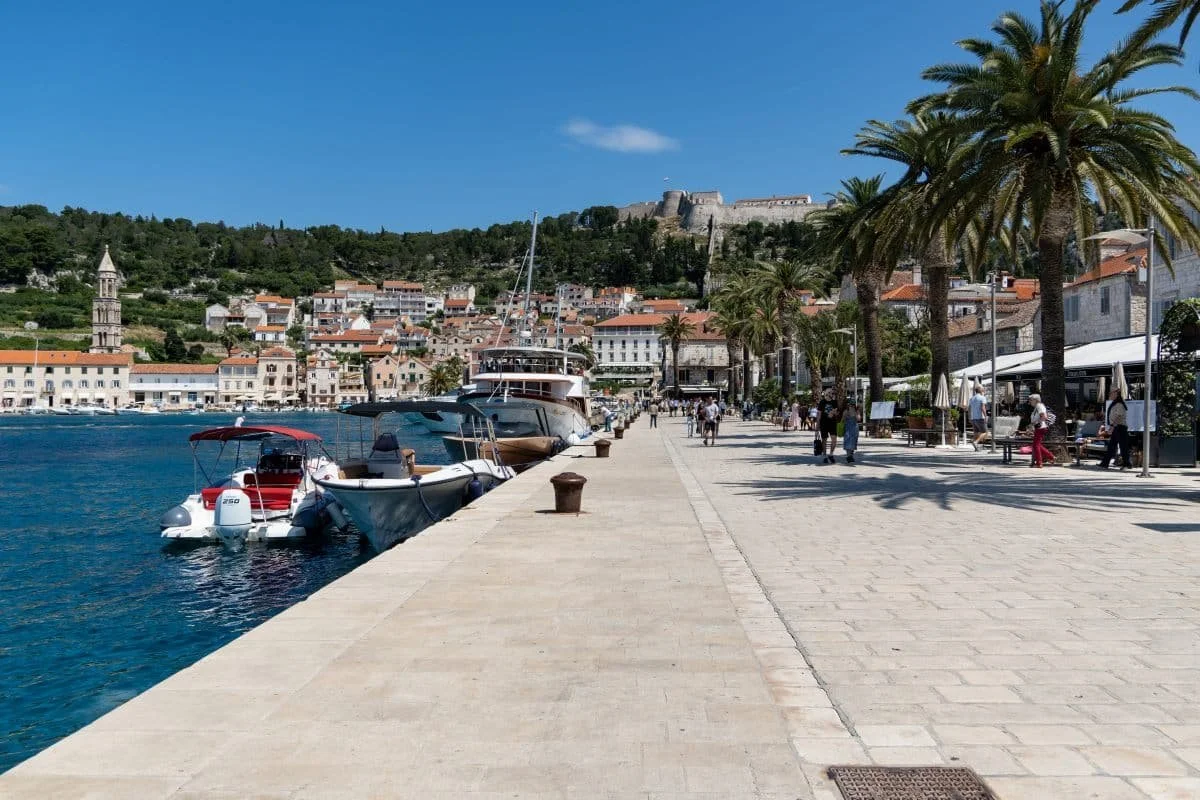
Day one: do not leave the archipelago
The instinct on arrival is to go far. Resist it. The Pakleni Islands start fifteen minutes from the harbour and the first day is for working out how the water behaves here, not for covering distance.
Morning in Ždrilca or one of the shallow channels while it is still quiet. Lunch somewhere you had to arrive by sea. Afternoon on the seaward side if the wind allows, back in town before the evening rush on the riva.
If you do one thing right on day one, make it the timing. Out by half past eight, back by five. Everything about the island is better on either side of the middle of the day.
Day two: the south side, and the vineyards above it
The south coast of Hvar is a different island. Cliffs drop straight into deep water, the bays are small and shingle, and the villages sit stacked above them on slopes that were terraced by hand centuries ago.
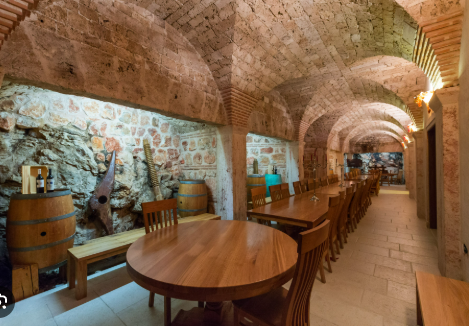
Sveta Nedjelja is the obvious anchor point, partly for the cave above the village and mostly for the wine. Zavala and the coves either side of it are quieter than anything on the north coast in the same week. Dubovica, closer to town, is the one that ends up on postcards, and deserves an early start for the same reason everything else here does.
This is a day where boat choice matters. The south side is more exposed and the crossings are longer.
Open boats with an outboard suit the sheltered archipelago; a cabin boat or something with a bit more freeboard makes the south coast considerably more comfortable, and a skippered option removes the guesswork about conditions entirely. It is worth ten minutes to see the full fleet and prices side by side before you commit, because the difference between the right boat and the cheap boat shows up around midday when the sea state changes.
Day three: Vis, or Brač, but not both
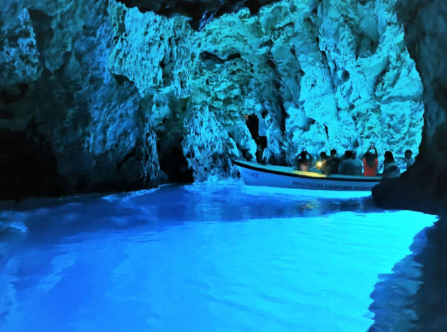
This is where three-day plans collapse. People try to fit the Blue Cave, Šćedro, a beach on Brač and dinner in Hvar Town into eleven hours and spend the whole day watching the clock.
Pick one. Vis is the longer, more rewarding crossing, with Stiniva and the bays on the south side of the island as the payoff. Brač is closer and Zlatni rat is genuinely worth seeing once, though it is not a quiet place in August.
Šćedro sits between Hvar and Vis and gets skipped by almost everyone, which is precisely the argument for stopping there. Two deep inlets, a handful of konobas, no road, no crowd.
What to book, and when
Boats in the first three weeks of August go early. If you are travelling then, sort the boat before you sort the restaurant, which is the reverse of what most people do.
One more thing about booking: agree the pickup point and the return time in writing, not by nodding on the quay. Operators run several boats in high season and “around six” means different things to different people once the harbour is full.
Restaurants on the islands take reservations by phone and often will not answer between three and six, because they are working. Call in the morning.
And keep one afternoon unallocated. The wind on this coast does not consult your itinerary, and a plan with no slack in it is a plan that gets thrown away on day two.
The version most people actually enjoy
Fewer places, longer in each. Nobody comes back from Hvar talking about the four bays they saw in one afternoon. They talk about the one where they stayed until the light went.
