
How to Be a Tourist in Your Own City
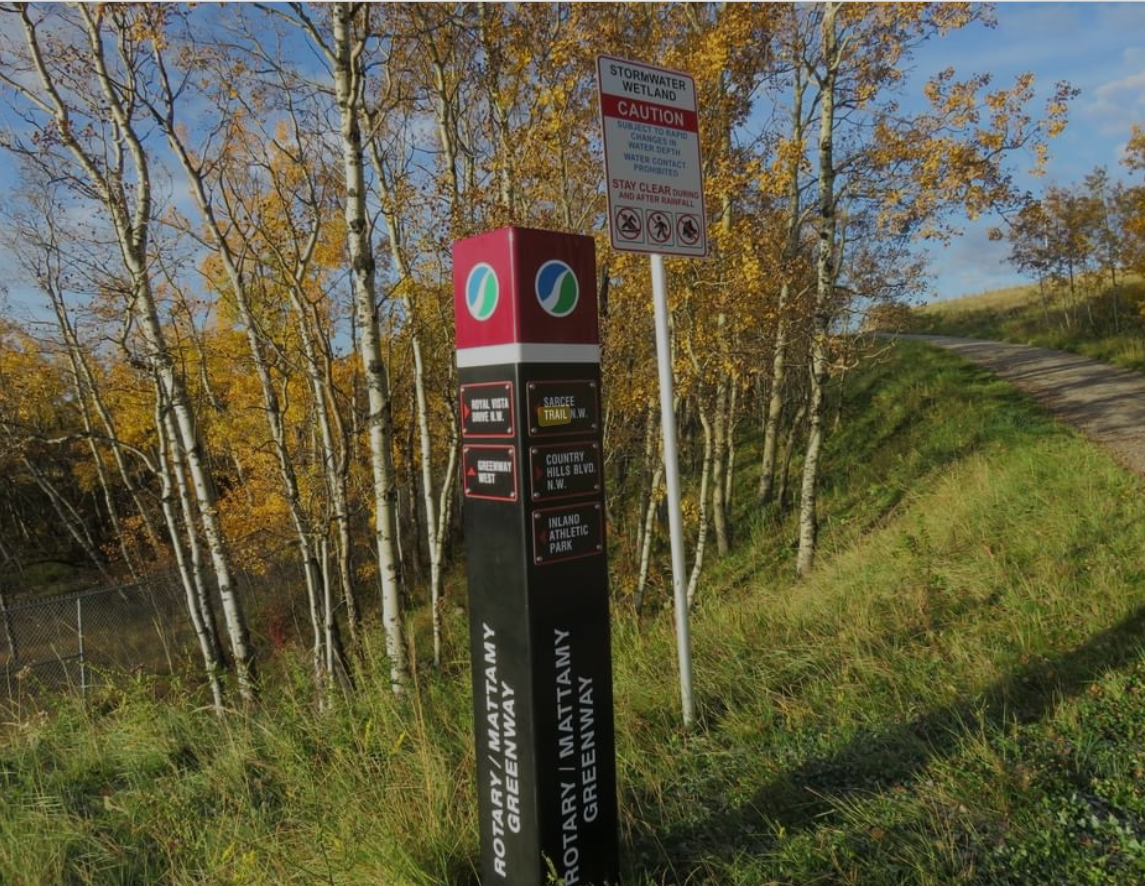
You do not need a plane ticket to feel the thrill of discovery. With a slower pace, a curious eye, and a willingness to break routine, your own city can become a place of fresh encounters and unexpected pleasures.
Most people move through their own city on autopilot. They take the same routes, visit the same cafés, pass the same buildings, and stop noticing the details that visitors would immediately photograph. Yet every city, no matter how familiar, has hidden corners, quiet streets, public art, independent shops, old signs, parks, courtyards, and small rituals that reveal themselves only when you slow down. The same way someone might explore a new digital space such as Lolajack with curiosity and attention, exploring your own city works best when you approach it with fresh eyes.
Being a tourist at home does not mean pretending you have never been there before. It means changing how you look. It means walking instead of driving, turning down a side street, entering a museum you have ignored for years, or having lunch in a neighbourhood you usually pass through without stopping. The familiar becomes interesting again when you give it the time and attention usually reserved for travel.
Start With a Different Route
The easiest way to rediscover your city is to change your path. Most people experience urban life through repeated routes, from home to work, from the grocery store to the gym, from a parking lot to a favourite restaurant. These routes become efficient, but they also become invisible. You stop seeing what is around you because your mind already thinks it knows.
Choose a day to walk somewhere you would normally drive or take transit. Pick a destination, but avoid the most direct route. Wander through residential streets, alleys, laneways, small parks, and older commercial blocks. Notice the details that reveal local character, such as front gardens, porch decorations, murals, old brickwork, shop windows, handwritten signs, and the way people use public space.
Another useful trick is to visit a familiar neighbourhood at a different time of day. A downtown street feels different early in the morning than it does after dark. A park used by joggers at sunrise may become a picnic spot at noon and a dog walking route in the evening. Cities change constantly, but routine often hides those changes from us.
You can also use public transit as a discovery tool. Take a bus or tram line to its final stop and walk around. Get off one stop earlier than usual. Follow a street simply because it looks interesting. The goal is not to cover everything. The goal is to let the city surprise you.
Look for Local Culture in Everyday Places
Tourists often visit museums, galleries, historic sites, markets, and landmarks, while locals assume they can go anytime and then rarely do. A good way to become a tourist in your own city is to make a list of the places you have always meant to visit. Start with one.
This does not have to mean major attractions. Local culture lives in small places too. Independent bookstores, record shops, bakeries, community theatres, public libraries, corner cafés, craft markets, churches, old cinemas, and neighbourhood restaurants can all reveal something about a city’s identity. The places that locals use every day often tell a more honest story than the official postcard views.
Pay attention to public art and architecture. Many cities are filled with sculptures, plaques, murals, heritage buildings, fountains, bridges, and memorials that people pass without reading or questioning. Stop and look. Ask why something is there. Look up the history of a street name or old building. Even a short search can turn an ordinary corner into a story.
Food is another easy doorway into local discovery. Try a restaurant outside your usual rotation. Visit a farmers market. Order something from a cuisine you rarely eat. Sit at a counter or patio and watch the street for half an hour. Travel memories are often built around meals, and the same can happen close to home.
Make Curiosity a Habit
Being a tourist in your own city works best when it becomes a habit rather than a one time activity. You do not need to set aside an entire weekend. Even an hour can change how you feel about the place where you live.
Try giving yourself small urban assignments. Photograph five interesting doors. Find the best bench within walking distance of your home. Visit three cafés in three different neighbourhoods. Walk along a river, canal, waterfront, or old rail line. Spend an afternoon exploring only streets you have never walked before. These simple exercises turn the city into a living map.
Bring a notebook or use your phone to record discoveries. Write down street names, shop names, overheard phrases, unusual buildings, or places you want to return to. Over time, you will build a personal guide to your own city, one shaped by attention rather than advertising.
It also helps to invite someone else. Showing a friend, visitor, or family member around your city can make you see it differently. Their questions may reveal things you have taken for granted. Their excitement can remind you that the place you call ordinary may still be fascinating to someone else.
A city is never just one thing. It is a collection of routes, memories, neighbourhoods, seasons, sounds, smells, and small discoveries. When you become a tourist at home, you give yourself permission to notice them again.
