
There's a moment every traveller knows well. You're sitting at a gate, train platform, or hotel lobby, and the clock seems to stop. Maybe your flight got delayed two hours. Maybe you arrived too early because you overestimated traffic. Whatever the reason, you've got time to kill and nowhere to go.
A generation ago, that meant a dog-eared paperback or staring at a departure board. Today? You pull out your phone, and suddenly that dead time becomes something else entirely.

The Paperback Era (and Why We Don't Miss It That Much)
Let's rewind a bit. Before smartphones took over our pockets, travel entertainment was a physical thing you had to plan for. Packing a bag meant deciding which book to bring, grabbing a magazine at the airport newsstand, or loading up a portable CD player with enough batteries to survive a cross-country flight. Some people carried handheld game consoles. Others brought journals. The point is, you had to think ahead.
And honestly, it wasn't terrible. There was a certain charm to reading a thriller on a red-eye or writing postcards during a layover. But it was limited. You carried what you carried, and when the book ended or the batteries died, that was that.
Smartphones Turned Waiting Into Something Different
The real shift happened when smartphones became good enough to replace almost everything in that travel bag. Suddenly, one device could hold thousands of songs, dozens of movies, a library of books, a handful of games, and a connection to the entire internet. That's a wild amount of entertainment to fit into your back pocket.
Think about what that did to the psychology of travel downtime. Waiting stopped being something to endure. It became a pocket of time you could actually use, or enjoy, depending on your mood. Stuck at Pearson for three hours? Catch up on a podcast series. Riding the train from Toronto to Montreal? Stream a documentary. The gap between "at home" and "on the road" basically disappeared.
That's the part people don't talk about enough. Mobile data and hotel Wi-Fi got reliable enough that the apps you actually use at home keep working on the road. For some people that's a streaming queue and a group chat. For others it's catching a match on a sports app, or spinning through a few games on a casino platform like Betinia Canada between connections. The category doesn't really matter, the point is that "I'm travelling" stopped being a reason to pause whatever you were already doing.
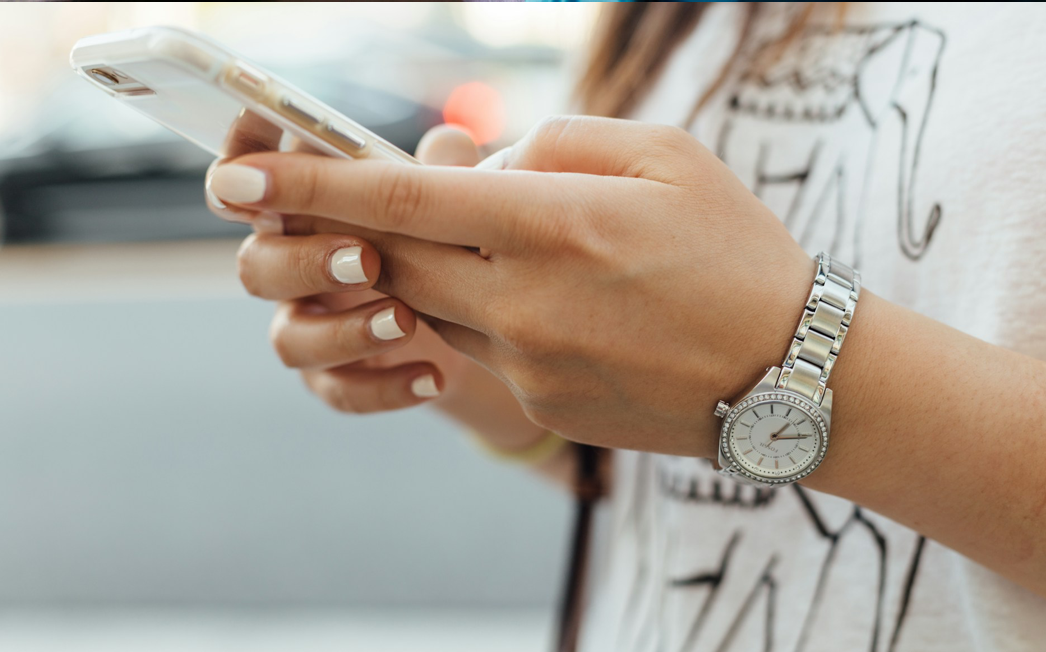
And this isn't a niche thing. The average person now spends over four and a half hours a day on their smartphone. Travellers probably skew even higher, since they've got more unstructured time on their hands.
It's Not Just About Killing Time Anymore
Here's what's interesting, though. Portable entertainment has moved past simple distraction. People are using downtime to do things that genuinely matter to them. Language learning apps before landing in a new country. Travel planning mid-trip, adjusting tomorrow's itinerary based on today's weather. Video calls with family back home so they can see the view from your balcony.
The lines between entertainment and productivity got blurry somewhere along the way. And that's probably a good thing. It means those in-between hours aren't wasted, they're flexible. You fill them with whatever feels right in the moment. The variety of options we carry in our phones now makes every pause in a trip feel a little less like a pause.
The Flip Side: Are We Losing Something?
It's worth asking, though. Did we lose something when we stopped being bored during travel? Boredom has a funny way of sparking creativity. Some of the best travel writing, some of the most memorable conversations with strangers, happened because people had nothing else to do.
There's a balance here. Having entertainment available doesn't mean you have to use it constantly. The best travellers seem to toggle between engagement and stillness. They'll watch something on the flight but put the phone away at dinner. They'll play a game during a layover but leave the earbuds out when walking through a new neighbourhood.
The technology didn't take away those quiet moments. It just gave us the option to fill them. What we do with that option is still up to us.
Where It's All Heading
Looking ahead, portable entertainment is only getting more personal. AI-powered recommendations already suggest what to watch or play based on your habits. Foldable phones are giving people bigger screens without bigger pockets. 5G connectivity means streaming works in places where it used to buffer endlessly.
For travellers, this means even remote destinations won't feel disconnected. You can be in a cabin in the Rockies and still have a full entertainment library at your fingertips. Whether that's a gift or a distraction depends on why you travelled there in the first place.
The truth is, portable entertainment didn't just change travel downtime. It changed how we think about time itself. Every moment became a choice, fill it or feel it. And most of us, if we're honest, are still figuring out the right mix.
