
How Travelers Can Avoid Customs Issues When Shipping Items from Canada
Shipping items from Canada to other countries is a predictable process when you prepare well. Customs regulations differ between destinations and errors may cause delays, extra fees or the return of goods. You can avoid complications by understanding how customs functions plus your responsibilities as a sender.
Problems often start because of missing paperwork, incorrect statements or a lack of knowledge about limited goods. You are able to lower risks and ensure delivery by learning the fundamental rules but also following established methods. Planning and attention to specific facts are the most successful ways to prevent issues with customs.
Understanding Customs Regulations and Requirements
Rules are unique to each country and they dictate which items are allowed for import. It is important that you research the import laws of the destination country before you send a package. This research includes looking for items that are forbidden or limited or identifying if you need specific licenses or official documents. If you disregard these rules, officials might seize the goods or apply financial penalties.
Fees and taxes are also a significant factor in the process. Many governments charge costs that are based on the monetary worth next to the category of the items. You help prevent sudden charges that might stop delivery by calculating these costs and telling the receiver before you ship. Being honest about the contents plus the worth of the package is necessary for the items to pass through customs easily.

Preparing Accurate Documentation
Information on forms is a vital part of shipping to other countries. You must include descriptions of the items, their worth and why you are sending them on customs forms. Phrases that are not specific, like “gift” or “items”, are likely to cause inspections or pauses in the process. Precise language helps officials handle your package with more speed.
Paperwork must be finished but also the information should be the same on all pages. When documents do not match, it is common for confusion and delays to occur. Shipping services are able to make this easier because they provide help as well as digital resources for completing forms. You can prevent expensive errors by checking all papers before the package leaves.
Packaging and Labeling Considerations
Packing items correctly is a helpful way to prevent problems. You should pack goods firmly so they are not broken during travel, as items that are not intact are sometimes inspected or sent back. If an inspection is necessary, it is faster when you use suitable materials or arrange the contents in an organized way.
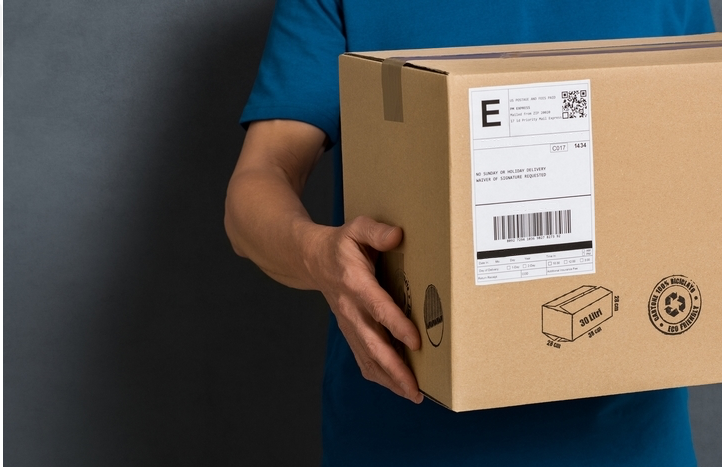
Labels are just as significant as the packaging. Every package needs a label that is easy to read and shows the correct data for the sender next to the receiver. Instructions for handling should be visible and clear. Because labels that are wrong or hard to read can cause a package to go to the wrong location, it is beneficial to check this data twice.
Avoiding Restricted Plus Prohibited Items
Customs issues are often the result of sending items that are forbidden or limited. Various nations stop or restrict the import of goods like food, chemical substances, electronic devices or historical objects. You are at risk of losing the items or receiving a penalty if you do not follow the limits.
Check if your goods are permitted in the destination country to avoid these difficulties. Some items are limited and require you to get specific permits or certificates before you ship them. When you are active in following these rules, your shipment is legal but also the chance of a problem at the border is lower.
Communicating with the Recipient
Talking clearly with the receiver is a helpful step that people sometimes forget. The person who gets the package should know what is inside, how much it is worth and if they are responsible for any fees. Delivering a package without this information can result in the receiver refusing the items or causing delays.
Tracking numbers as well as updates about the location of the package help you solve problems quickly. If officials need more data, a receiver who is ready and informed is able to make the process faster. Good communication ensures that both people are ready to meet any requirements.
Maintaining Consistency or Compliance
Consistency in your preparation helps you create reliable shipping services. You can find out what is successful and avoid old errors by keeping copies of your past forms next to statements. This experience makes shipping from Canada more predictable over time.
Current knowledge of changes in laws is also important. Requirements are able to change and old rules might not be in use anymore. You can avoid sudden problems by checking the guidelines often plus updating your methods to stay compliant with the law.
