
How Men’s Hiking Work Boots Make Adventure Travel Easier
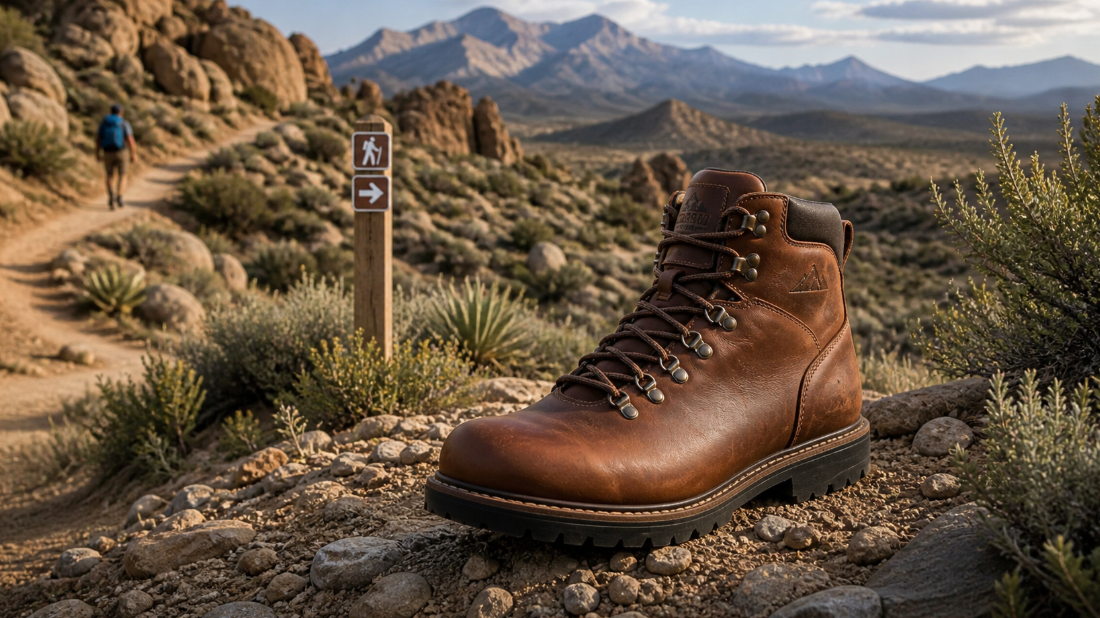
Adventure travel asks more from footwear than a casual weekend walk. A trip can move from airport floors to gravel roads, damp trails, muddy campsites, rocky overlooks, and long days with a pack.
That is why travelers comparing men's hiking work boots should think beyond trail style. The right pair needs to support movement, handle changing conditions, and stay comfortable when the day goes longer than planned.
For men who work outdoors, travel off pavement, or want one reliable pair for rougher trips, hiking work boots can make travel easier because they combine trail-ready support with work-boot practicality.
Adventure Travel Demands More From Your Footwear
Adventure travel can include road trips, national parks, fishing weekends, hunting cabins, ranch stays, overland routes, farm visits, and outdoor-heavy vacations where the ground changes constantly.
The Outdoor Industry Association reported that outdoor participation reached a record 175.8 million Americans in 2023, representing 57.3% of Americans aged six and older. Forbes has also reported on hiking, cycling, and multisport vacations as part of the rise of active travel. When more people build trips around movement, footwear becomes a planning decision, not a packing afterthought.
Standard sneakers may be fine for paved paths, but loose rock, wet bridges, packed dirt, brush, and uneven campgrounds demand better support. Men’s hiking work boots fill that gap with a sturdier platform without forcing travelers into specialized mountaineering footwear.
Better Traction Makes Rough Ground Less Complicated
Traction is one of the biggest reasons hiking work boots make adventure travel easier. A good outsole helps when the day moves across trail dust, wet leaves, gravel pull-offs, slick cabin steps, muddy parking areas, and rough paths.
The National Park Service advises hikers to choose sturdy, rubber-soled hiking boots with ankle support for dirt and gravel trails, while tennis shoes are better suited to paved urban pathways. For adventure travel, lug soles are useful when grip matters on uneven terrain because deeper tread can bite into dirt, loose soil, and mud better than flat casual soles.
A lower-profile wedge or hybrid outsole may feel better for town-to-trail trips with concrete, boardwalks, packed paths, and roadside stops. The point is to match traction to the trip.
The Bureau of Labor Statistics reported 479,480 days-away-from-work cases involving falls, slips, and trips in 2024. Travel is not a jobsite, but poor footing can ruin a day quickly.
Work-Boot Durability Helps With Long, Messy Travel Days
Adventure travel is hard on footwear because it rarely stays clean. Boots may deal with dust, wet grass, gravel shoulders, campsite mud, brush, rain, and repeated wear over several days.
That is where the work-boot side of men’s hiking work boots becomes useful. Work-oriented hiking boots are often built with rugged uppers, reinforced stitching, protective toe areas, and soles designed for regular wear. A stronger boot can be better than a lightweight shoe when the trip includes rough ground and gear-heavy movement.
Durability also affects packing. A practical hiking work boot can cover trail walking, campsite chores, roadside stops, casual outdoor meals, and light-duty work around a cabin, ranch, or property. That reduces luggage clutter and makes the trip simpler.
Support and Comfort Matter When the Day Runs Long
Adventure travel often involves more walking than expected. A short stop becomes a three-mile overlook trail. A national park visit adds a rocky detour. A fishing trip turns into a full day on uneven banks.
Foot fatigue builds when footwear lacks support. A boot with a stable midsole, cushioned footbed, secure lacing, and enough ankle support helps the foot stay positioned instead of sliding forward on descents or shifting side to side.
Fit is critical here. A boot that is too tight can create pressure points, especially around the toes. A boot that is too loose can cause rubbing and heel movement. For travel, buyers should consider sock thickness, swelling during long walks, and whether they need wide sizes.
Moisture management also matters. Wool or synthetic socks can help manage sweat better than cotton during longer outdoor days. If the boot is waterproof, breathable socks become more important because feet may run warmer inside a waterproof membrane.
Protection Helps When Travel Crosses Into Work-Like Conditions
Some adventure trips are closer to light fieldwork than casual recreation. Think of ranch stays, hunting camps, fishing trips, overlanding, trail maintenance weekends, volunteer builds, farm visits, or outdoor photography trips with heavy equipment.
In those settings, protective features can make sense. A safety toe may be useful where gear, tools, equipment, or heavy materials could land on the foot. Composite toe options may reduce weight compared with traditional steel toe styles and can be more comfortable in hot or cold conditions because they do not transfer temperature the same way. Soft toe hiking work boots may be better when impact protection is not needed and flexibility matters more.
Travelers should not assume every boot carries the same rating. If a trip involves worksite exposure or employer-required PPE, confirm the product specifications and look for the correct ASTM F2413 marking.
OSHA’s foot protection standard requires protective footwear where employees face dangers from falling or rolling objects, objects piercing the sole, or certain electrical hazards. For travel, the practical takeaway is simple: match the boot to the actual hazard instead of buying based on appearance alone.
Waterproofing is another useful feature. Waterproof hiking work boots can help in rain, shallow mud, wet grass, creekside conditions, and washdown-prone environments. However, waterproof boots may feel warmer in hot climates, so the best choice depends on destination, season, and activity level.
Choosing the Right Hiking Work Boot for the Trip
Before buying, start with the terrain and likely conditions. For rocky trails and dirt paths, prioritize ankle support, lug traction, and a secure lace-up fit. For wet climates, look for waterproof construction and a rubber outsole with dependable grip. For hot destinations, consider breathability and whether a waterproof membrane is necessary.
For travel that includes light work, gear handling, or outdoor chores, compare soft toe, composite toe, and steel toe options based on the real risk. If the trip includes long walking days, pay close attention to weight. A heavy boot can feel reassuring at first but tiring after several miles. A lightweight hiking work boot may be easier for airports, long drives, roadside stops, and moderate trails.
A practical hiking work boot can also reduce packing decisions. Instead of bringing sneakers for town, boots for trails, and work shoes for rougher tasks, one versatile pair may handle gravel, trail, dirt, concrete, and damp ground. Finally, check fit and return practicalities before committing. Bad sizing is expensive once the trip starts.
Final Thoughts
Men’s hiking work boots make adventure travel easier because they solve several problems at once: traction, support, durability, protection, and packing efficiency. They are not the right choice for every traveler or every trail, but they make sense when the trip includes rough ground, unpredictable weather, long walking days, and work-like outdoor conditions.
The smart move is simple: match the boot to the terrain, the hazards, the climate, and the comfort needs of the person wearing it. A dependable pair should support the trip instead of becoming the problem the trip is remembered for.
