
How walking changes the way travellers understand a city
Walking through a city reveals details that fast travel often misses, from street corners and public art to architecture, local routines and the small moments that shape a real sense of place.
A city can look very different when it is explored on foot. Instead of moving quickly between major landmarks, travellers notice side streets, window displays, building textures, small cafés, murals and the rhythm of daily life. Walking makes urban travel slower, but also more observant. In a digital world where attention often shifts between maps, social media, booking platforms and entertainment sites like betscore, walking offers a more direct way to connect with the place in front of you.
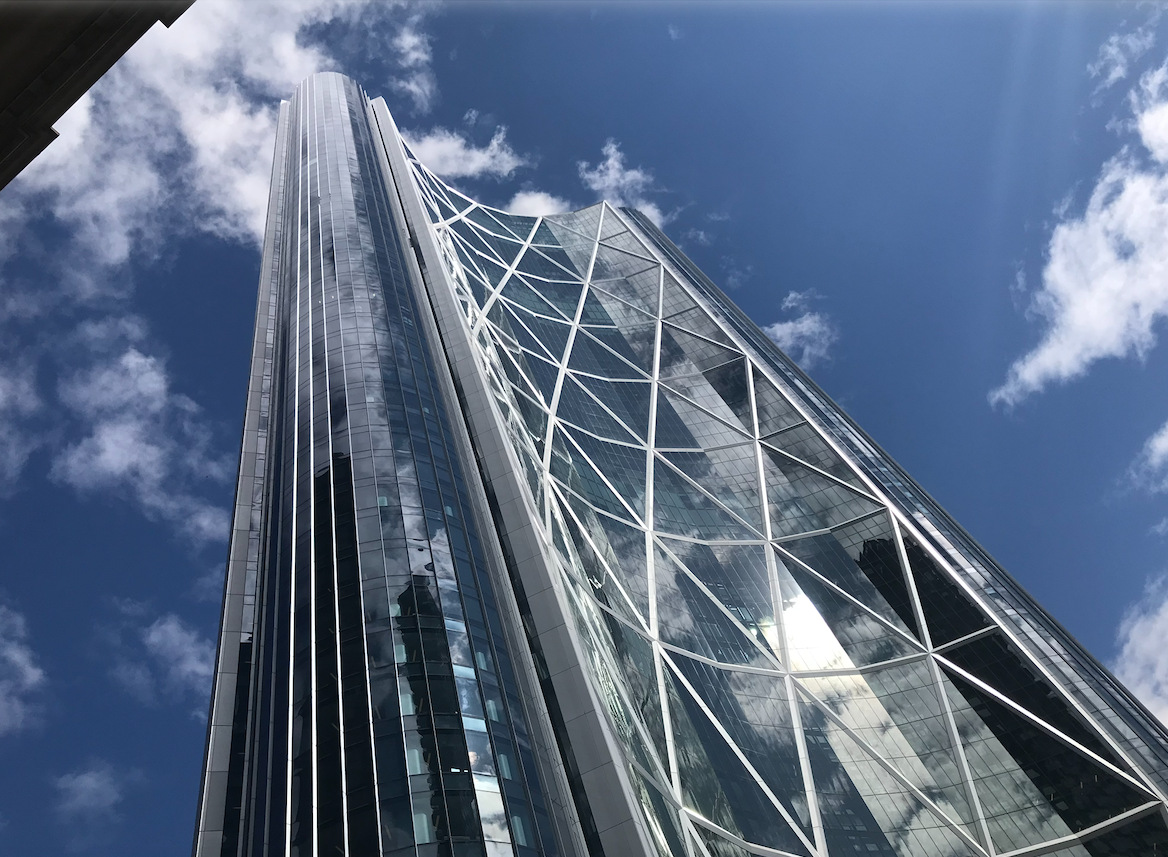
Architecture looks very different when you can walk up to it and view it from different perspectives.
Streets reveal what guidebooks often miss
Guidebooks and travel lists are useful, but they usually highlight the obvious stops. Walking gives travellers access to the spaces between those stops. A short route from one attraction to another can reveal independent shops, quiet courtyards, old signs, unusual doorways or local gathering places that would never appear on a top ten list.
These details matter because they show how a city is actually used. A neighbourhood is not only defined by museums, monuments or restaurants. It is also shaped by where people wait for the bus, where they buy coffee, which walls become public art and which corners feel busy at different times of day.
Walking also allows travellers to change direction without much planning. A colourful mural, a narrow lane or a lively market can become the next stop. This kind of flexible movement makes the city feel less like a checklist and more like a living environment.
It also gives travellers time to notice transitions. A commercial street may slowly become residential. A busy avenue may lead into a quieter park. A polished downtown block may sit only a few minutes from an older area with a completely different texture. These gradual changes are easy to miss from a car, train or bus, but they explain how a city is layered.
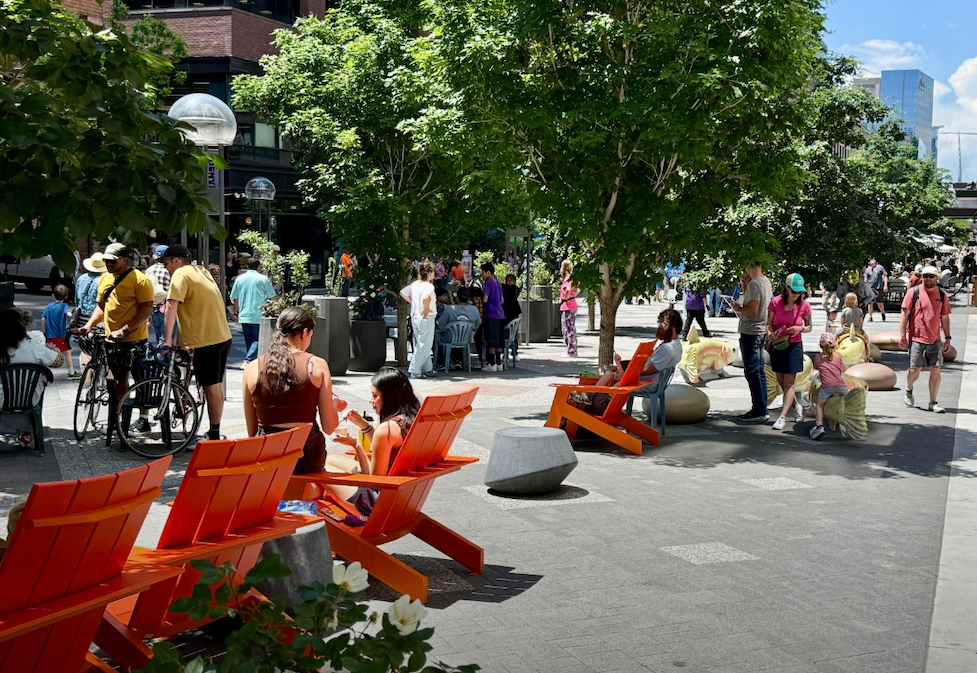
Walking allows you to stop and mingle with locals.
Architecture feels different at street level
Architecture is often photographed from a distance, but walking changes how buildings are experienced. At street level, travellers notice scale, materials, entrances, balconies, shadows and how older structures sit beside newer ones. A city’s personality often appears in these contrasts.
A tall building may look impressive from far away, but the ground floor decides how it feels to walk past. Does it have cafés, benches, trees and open windows, or does it create a blank wall along the sidewalk? These details influence whether a street feels welcoming, cold, busy or calm.
Walking also makes public spaces easier to understand. Parks, plazas, bridges and waterfront paths are not just visual landmarks. They are places where people pause, meet, exercise or simply pass through. By moving through them slowly, travellers can see how design shapes behaviour.
The same is true for smaller design choices. A row of streetlights, a shaded bench, a wide crossing or a narrow sidewalk can change the whole feeling of a route. Walking makes these decisions visible because the traveller experiences them directly, step by step.
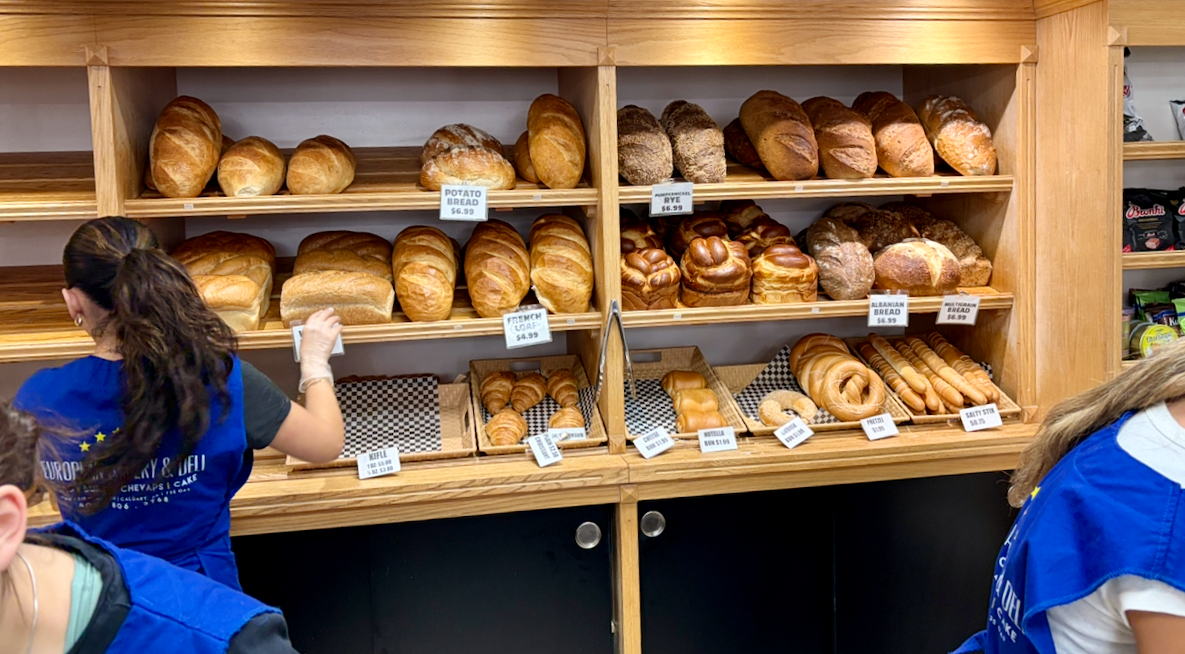
Walking allows you to stop and smell the baking.
Slow movement creates stronger memories
Many travel memories come from small, unexpected moments. The smell of fresh bread from a bakery, a musician on a corner, a sudden view between buildings or a quiet street after rain can stay with a traveller longer than a famous attraction. Walking creates room for these moments because it reduces the distance between the visitor and the city.
Slow movement also helps travellers build a mental map. Instead of remembering isolated points, they begin to understand how neighbourhoods connect. A bridge leads to a market. A park opens toward a shopping street. A residential block turns into a cultural district.
This kind of understanding makes later exploration easier. Travellers become more confident because the city starts to feel connected rather than scattered. They can return to a favourite café, choose a different route back or recognize a street from another angle.
This is why walking remains one of the best ways to understand a city. It encourages curiosity, patience and attention. Travellers who walk do not just see where they are going. They begin to understand what happens along the way.
