
Why Travel Lifestyle Is Becoming More Digital for Expats and Nomads
Travel used to be built around guidebooks, hotel desks, printed tickets, local SIM cards, and long moments of uncertainty. For expats and digital nomads, that world has changed almost completely. Today, the travel lifestyle is shaped by apps, remote work tools, fintech products, online communities, coworking platforms, digital visas, streaming services, and mobile-first entertainment.
This shift is not only about convenience. It reflects a deeper lifestyle change. Many people no longer travel just for short holidays. They work from different cities, stay longer in one place, test new countries before relocating, and build routines that mix productivity with discovery. Digital entertainment also follows them, whether that means streaming a football match, joining an online community, playing mobile games, or casually using platforms such as Drakaris Casino during downtime.
MBO Partners reported that 7.3 million independent workers in the United States identified as digital nomads in 2025, while Global Citizen Solutions noted that 91% of tracked digital nomad and remote-worker visas were launched after 2020. That shows how quickly governments, workers, and service providers have adapted to a more mobile way of living.
The result is a travel lifestyle that feels less like escape and more like a flexible operating system. Expats and nomads are not simply moving from one destination to another. They are managing work, money, health, housing, friendships, entertainment, and personal routines across borders.
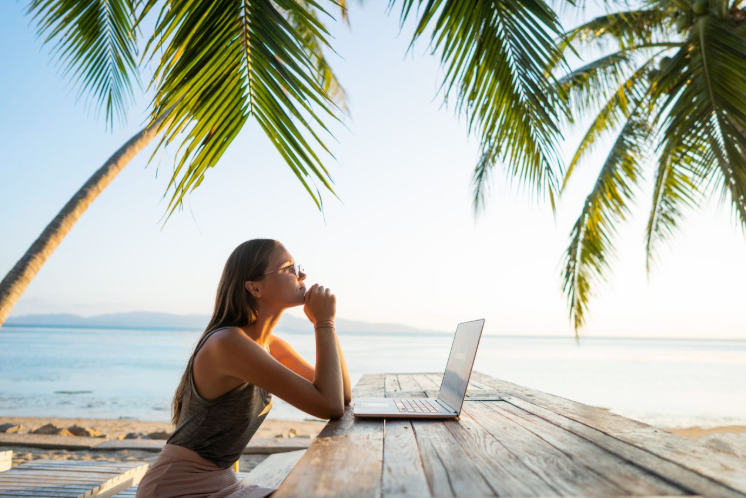
Remote Work Turned Travel Into a Daily Routine
The biggest driver behind this change is remote work. Laptops, cloud storage, project management tools, video calls, and messaging apps have made it possible for many professionals to work outside a traditional office.
For nomads, this means travel is no longer limited to vacation days. A person can spend the morning answering client emails in Lisbon, join a team call from Medellin in the afternoon, and explore a local food market in the evening. For expats, digital work tools also make relocation less disruptive. They can move abroad while staying connected to employers, clients, or businesses in another country.
This does not mean the lifestyle is always easy. Time zones, unstable internet, tax rules, and visa restrictions can create pressure. But the basic structure is now possible in a way it was not for most people 15 years ago.
Housing Has Become More Flexible
Expats and nomads also use digital tools to find housing differently. Instead of relying only on hotels or long-term leases, they use booking platforms, coliving spaces, short-term rentals, Facebook groups, Telegram channels, and local expat communities.
A 2025 academic study on U.S. Airbnb bookings found a durable shift toward longer stays after the pandemic, with the probability of stays of at least 28 nights remaining higher than before. This supports what many travellers already notice: people are no longer booking only quick city breaks. They are testing places for weeks or months.
This creates a new kind of travel rhythm. Nomads might spend one month in Barcelona, two months in Buenos Aires, and another season in Bali. Expats might rent short-term first before choosing a permanent neighborhood. Digital housing tools make this slower, more experimental lifestyle easier to manage.
Money Management Is Now Mobile
Money used to be one of the most stressful parts of living abroad. Currency exchange, transfer fees, international cards, cash withdrawals, and banking paperwork could make even simple tasks difficult.
Today, many expats and nomads manage finances through mobile wallets, digital banks, multi-currency accounts, crypto tools, and instant transfer apps. They can receive payments from clients, pay rent, split bills, track subscriptions, and convert currencies from a phone.
This is one of the clearest reasons travel lifestyle has become more digital. Money no longer has to be tied to one local branch or one domestic system. That gives mobile workers more freedom, especially when they move between countries with different currencies and payment habits.
Communities Are Built Before Arrival
Another major change is social life. In the past, many expats arrived in a new city and had to build connections slowly through work, language schools, or chance meetings. Now, communities often begin before the plane lands.
Nomads join WhatsApp groups, coworking communities, Reddit threads, Discord servers, Meetup events, and city-specific expat forums. They can ask where to live, which neighborhoods feel safe, where to find reliable Wi-Fi, what local tax rules matter, and which cafes are good for work.
This changes the emotional side of travel. Moving abroad can still feel lonely, but digital communities reduce the shock. A newcomer can arrive with dinner plans, coworking recommendations, and a list of trusted local services already saved.
Workspaces Follow the Lifestyle
Coworking spaces are another reason the travel lifestyle feels more digital. They are not just offices. For many nomads and expats, they act as social hubs, networking spaces, event venues, and routine builders.
A good coworking space offers stable internet, meeting rooms, coffee, quiet zones, and a sense of structure. That structure matters because constant travel can blur the line between work and free time. Having a reliable place to work helps people stay productive without feeling isolated in an apartment.
Many coworking brands now sell access through apps, monthly passes, and global memberships. This allows users to move between cities while keeping a familiar work setup.
Entertainment Travels With the User
Entertainment has also become portable. Streaming platforms, podcasts, mobile games, ebooks, language apps, sports apps, and social media allow expats and nomads to keep familiar habits while living in unfamiliar places.
This does not replace local culture. Ideally, digital entertainment supports the lifestyle rather than dominating it. A person might spend the day exploring a new city, then relax at night with a football match, a movie, a gaming app, light betting, or a conversation with friends in another time zone.
The key point is that entertainment is no longer tied to location. People can keep their routines while still enjoying the novelty of travel.
Travel Planning Is More Data-Driven
Modern expats and nomads rarely choose destinations only by instinct. They compare cost of living, visa rules, internet speed, safety, healthcare, coworking availability, climate, tax conditions, and flight connections.
This has created a more analytical kind of traveller. A destination is not just “beautiful” or “popular.” It must also be workable. Can someone take calls from there? Is the time zone manageable? Are there affordable apartments? Are there direct flights home? Is there a strong community? Can they stay legally for several months?
Digital tools turn these questions into checklists. That makes travel more strategic and less random.
The Lifestyle Is Digital, But Still Human
The digital travel lifestyle is not about avoiding real life. In many cases, it helps people experience more of it. Apps handle payments, maps, housing, work calls, and planning so that travellers can spend more energy on local food, friendships, language learning, nature, culture, and personal freedom.
For expats and nomads, the future of travel is likely to become even more blended. Work will stay remote for many professionals, visas will become more specialized, cities will compete for mobile talent, and services will keep adapting to people who live between places.
The reason this lifestyle keeps growing is simple: digital tools make movement easier. They reduce uncertainty, connect people faster, and help travellers build routines wherever they go. For modern expats and nomads, the journey is no longer just about where they travel. It is also about how smoothly they can live, work, and feel at home while moving through the world.
