
Mobile connectivity shapes daily routines, from navigation to secure logins. A reliable data connection keeps maps responsive, messages timely, and bookings accessible. Prepaid digital SIM plans bring a digital approach that removes the need for physical SIM cards while keeping users in control of their data usage.
Embedded SIM technology allows carriers to provision service remotely through a QR code or app-based setup, as outlined by the GSMA and major device manufacturers. This method stores a digital profile directly on compatible smartphones and tablets. The prepaid eSIM plans build on that framework, offering short-term or fixed data packages without lengthy commitments.
1. Instant Setup Without Physical SIM Swaps
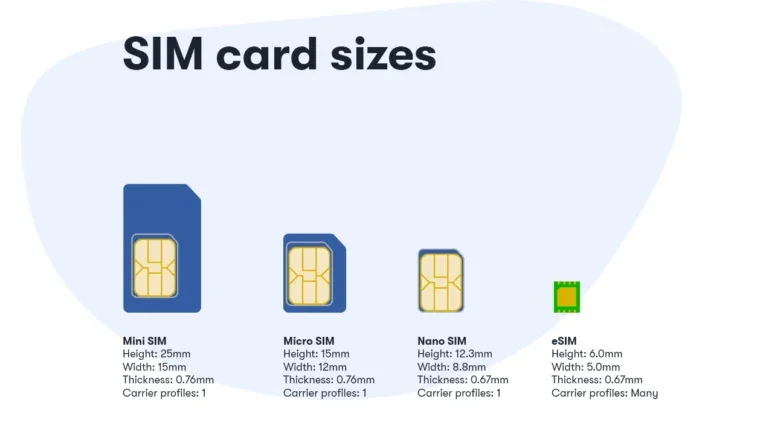
A traditional SIM card requires insertion, storage, and careful handling. An embedded SIM activates through a simple download process once the device connects to Wi-Fi. Compatible phones support remote activation through QR codes or carrier apps.
That speed saves time during device upgrades or travel. A user can purchase a plan online and install it within minutes. Fewer physical components reduce the chance of misplacing a tiny chip during the process.
2. Greater Cost Control Through Prepaid Structures
Prepaid structures place clear spending limits. A fixed data allowance sets a boundary, which helps prevent unexpected overages. Users choose a package that fits their needs rather than committing to a recurring contract.
This format suits short trips, temporary projects, or secondary devices. Budget clarity improves financial planning because charges remain transparent. The absence of monthly billing cycles appeals to those who value predictable expenses.
3. Multiple Profiles on One Device
Many modern smartphones support dual SIM functionality, including combinations of physical SIM and eSIM or even two digital profiles. Device manufacturers explain that users can label each line and select which one handles mobile data. That feature supports separation between work and personal usage.
Prepaid digital SIM plans fit neatly into this arrangement. A primary number can stay active while a prepaid data profile handles specific tasks. Switching between profiles requires only a few taps within device settings.
4. Travel-Friendly Data Access Across Borders
International travel demands stable internet access for navigation, translation tools, and ticket confirmations. eSIM technology enables users to install a regional data profile before departure. Once the device lands and connects, data activates according to plan settings.
Prepaid eSIM plans provide a practical option for short stays abroad. A traveler selects a country or regional package that aligns with the itinerary. This approach reduces dependence on expensive roaming arrangements from a home carrier.
Key travel advantages:
● Access to local or regional data packages without store visits.
● Quick activation after landing through a saved QR code.
● Ability to store multiple country profiles in advance.
● Clear data limits that help manage trip expenses.
Each point contributes to smoother movement between destinations. Reliable connectivity supports ride-hailing apps, hotel communication, and digital boarding passes.
5. Enhanced Security Through Embedded Technology
A removable SIM can be physically extracted from a device. An embedded SIM remains integrated into the hardware, which adds a layer of protection against theft or tampering. Industry standards developed by the GSMA support secure remote provisioning.
Digital profiles also reduce the need to share personal identification details in retail kiosks during travel. Installation happens through secure carrier channels. That design helps protect sensitive account information.
6. Device Compatibility Across Modern Ecosystems
Major smartphone brands support eSIM functionality in many recent models. Official documentation from these companies confirms compatibility with remote carrier activation. Tablets and select laptops also include eSIM support in certain versions.
Prepaid digital SIM plans align well with this expanding device ecosystem. Users can install a data profile on a secondary device without affecting a primary subscription. That flexibility benefits remote workers, students, and frequent travelers.
Practical compatibility considerations:
● Confirm the device is carrier-unlocked before purchase.
● Check manufacturer specifications for eSIM support.
● Verify regional availability of digital profiles.
● Ensure Wi-Fi access during the initial installation.
Attention to these details prevents setup delays. A few minutes of preparation leads to smoother activation.
7. Flexible Duration Without Long-Term Commitments
Traditional contracts bind users to multi-month or annual terms. Prepaid options remove that obligation and allow selection of short validity periods. A plan can cover a weekend event, a week-long conference, or a month abroad.
This structure supports changing connectivity needs. A user can choose a smaller package for light browsing or a larger allowance for streaming and navigation. Prepaid plans make that choice straightforward, with clear expiration timelines and renewal options.
Smart connectivity depends on convenience, cost clarity, and adaptability. Embedded SIM technology addresses these factors through remote activation and secure digital provisioning. Prepaid structures complement that technology with financial transparency and flexible durations.
Thus, prepaid eSIM plans redefine mobile data access with speed and simplicity. Smart setup, clear pricing, and adaptable profiles create a seamless experience. Smarter connectivity begins with such plans designed for modern needs.
