
Canada’s Best Places for a Winter Adventure
Canada in winter rewards travelers who plan around the snow instead of simply tolerating it. Mountains become ski terrain, waterfalls harden into climbable ice, forest paths turn into snowshoe routes, and city squares are transformed into outdoor skating rinks.
The best trips also account for what happens after several cold hours outside: warming up properly, allowing time between bookings, and choosing destinations where several activities can be combined without spending half the holiday on the road. Pack for changing conditions, leave room in the schedule, and let the weather determine the pace.
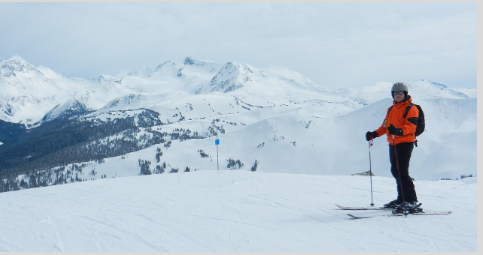
Skiing Through Canada’s Deep-Snow Mountains
For skiers seeking serious mountain terrain, Golden and Field in British Columbia make a strong pairing. Golden sits below Kicking Horse Mountain Resort, where a gondola carries skiers into high alpine terrain known for steep bowls, ridges and long descents.
This mountain suits confident skiers particularly well, though marked terrain is available across several ability levels. Staying in Golden also puts restaurants, accommodation and other winter activities within easy reach.
Roughly an hour east, Field provides a much quieter base beside Yoho National Park. It is not a ski-resort town, which is precisely its strength for those building a broader winter itinerary.
Farther west, Big White Ski Resort near Kelowna offers a different proposition. Accommodation is concentrated around the slopes, reducing daily transfers, while the mountain is particularly well known for snow-covered trees created when fog freezes onto branches. Skiers can spend several days here without repeating the same terrain, moving between groomed pistes, gladed runs, and higher open sections.
Warming Up Between Days in the Saunas
A well-planned winter trip needs slower hours. After skiing or snowshoeing, travelers may spend an afternoon moving through hot pools, saunas, and cooling areas at a Nordic spa, followed by a quiet evening indoors. Québec is particularly well supplied with thermal facilities, and spa time can be useful after several consecutive days of demanding outdoor activity. It also creates breathing room when weather changes disrupt a carefully arranged itinerary.
Those pauses can include time back at a hotel, gaps before dinner reservations, or an hour waiting for transport. Phones have changed how people fill these periods, with streaming, mobile games, and other online formats requiring no additional trip through snow or low temperatures.
Casino gaming sits within that broader category of mobile entertainment. For those comparing casino sites, the useful distinctions go beyond colors, graphics, or the number displayed beside a games menu. Detailed review methods show how these online casino sites are evaluated, considering matters such as the breadth of the casino game library, payment options, payout performance, mobile usability, account features, and the clarity of information presented to users.
Snowshoeing Through Frozen Valleys and Forests
Snowshoeing reveals places that downhill skiing often passes too quickly. In Yoho National Park, winter routes pass through forests and beneath some of the Canadian Rockies’ most imposing rock walls. Emerald Lake is especially photogenic once snow settles across the surrounding peaks, though visitors should check current trail and avalanche information before heading beyond maintained areas.
Québec provides an equally strong alternative. Parc national des Hautes-Gorges-de-la-Rivière-Malbaie, in the Charlevoix region, has a winter trail network extending for dozens of kilometers through a steep-sided valley carved around the Malbaie River. The setting feels remote, yet marked routes let you choose an outing that matches the available daylight and your physical effort.
Before leaving a trailhead, check three things:
Current trail status and weather, including recent snowfall and wind.
Sunset time, since winter daylight disappears surprisingly quickly.
Route difficulty, particularly where elevation gain, deep snow, or exposed sections increase travel time.
Snowshoes provide flotation, but they do not turn demanding backcountry terrain into an ordinary walk.
Ice Climbing Beside Canada’s Frozen Waterfalls
Few winter activities feel as physical as ice climbing. Parc national des Hautes-Gorges-de-la-Rivière-Malbaie is one of Québec’s notable destinations for climbers, with ice routes forming along the valley’s imposing rock walls.
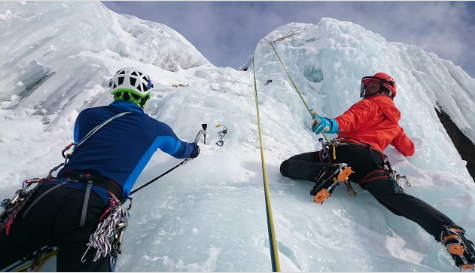
Conditions vary throughout the winter, so climbers need to consult current access information and match routes to their technical ability, equipment, and knowledge.
Closer to Québec City, Parc de la Chute-Montmorency provides a dramatic setting around Montmorency Falls. The waterfall rises 83 meters, higher than Niagara Falls, and winter turns the spray and surrounding rock into huge ice formations. The site is valuable even for those who never put on crampons: viewpoints and paths provide close perspectives on the frozen falls.
Actual ice climbing is a technical undertaking, not an improvised sightseeing activity. Proper crampons, ice tools, helmets, ropes, and suitable instruction matter. Travelers without established climbing skills should arrange an outing with qualified local professionals rather than treating frozen waterfalls as ordinary hiking terrain.
Skating on Outdoor Rinks and Natural Ice
Skating provides a more urban way to make use of Canada’s coldest months. Québec City is particularly good for people who want outdoor activity without leaving restaurants, museums and historic streets far behind. Place D’Youville, just outside the fortified old city, becomes an outdoor rink during the colder months, making it an easy skating stop on a day spent exploring central Québec City.
Natural ice requires more caution. A frozen lake or river may look solid while currents, springs, changing temperatures, or snow cover weaken sections that cannot be identified from the surface. Travelers should use officially opened skating areas rather than assuming an unmonitored body of water is safe.
For a longer winter trip, the strongest itinerary combines different levels of effort: ski hard one day, snowshoe the next, then use skating or a spa as a gentler interval before another demanding outing. In Canada, winter travel works best when the schedule follows the season rather than fighting it.
