
Torngat Mountains National Park: Canada’s Remote Northern Wilderness
In the far north of Labrador, at the point where the rugged mountains come together with the cold waters of the Labrador Sea, there is one of Canada's most remote and impressive protected areas: Torngat Mountains National Park. The park extends over almost 10,000 square kilometres and is home to dramatic scenery, ancient geology, a rich variety of wildlife, and strong Inuit cultural ties.
Visiting Torngat Mountains National Park is not like taking a weekend trip to one of Canada’s more accessible parks. There are no roads leading through the wilderness, no traditional network of marked hiking trails, and very few signs of modern development. Instead, visitors encounter vast valleys, steep fjords, rocky peaks, tundra, and a coastline that can feel almost untouched.
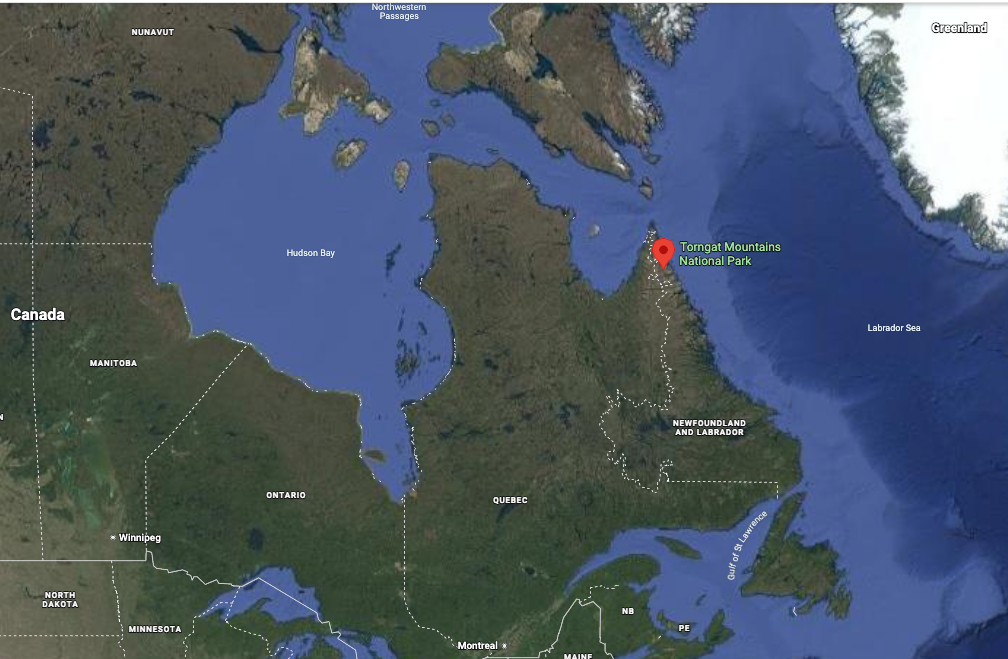
A Landscape Shaped by Time
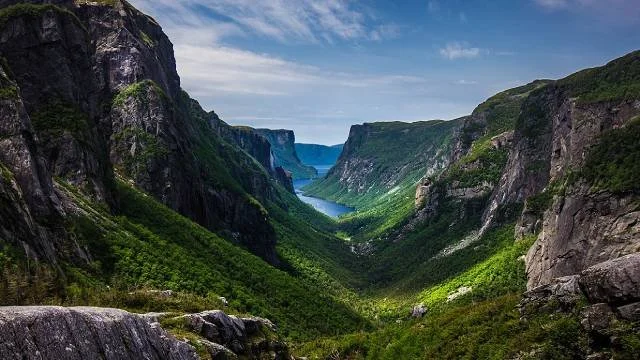
When visitors first see the Torngat Mountains they are struck by the extent of the landscape. The mountains rise steeply from the adjacent tundra and deep fjords extend inland from the Labrador Sea. In certain places there are huge cliffs which plunge sharply into the water, producing vistas that appear to be taken from a distant Arctic expedition rather than from a Canadian national park.
The region is also remarkable from a geological perspective. Some of the rocks found in the Torngat Mountains are among the oldest known on Earth, with certain formations dating back billions of years. Walking across this landscape means quite literally walking over a geological record that reaches deep into the planet's past.
The scenery changes with the seasons. During the warmer months, patches of Arctic wildflowers add color to the tundra, while the mountains remain stark and imposing in the distance. Coastal fog can roll in quickly, changing the appearance of the fjords within minutes. On a clear day, however, the views can stretch for kilometers across the mountains and sea.
Wildlife in the Torngat Mountains
The wildlife is another major reason people travel to this part of Labrador. Torngat Mountains National Park provides habitat for species adapted to the demanding conditions of the Arctic and sub-Arctic environment.
Caribou move through parts of the region, while Arctic foxes, red foxes, wolves, and other northern animals can also be encountered. Along the coast, marine mammals including seals and whales are part of the wider ecosystem. Polar bears are perhaps the most famous residents, although seeing one is never something visitors should expect or actively seek out.
That point is important. The park is a true wilderness, and wildlife encounters require respect and preparation. Travelers should follow local guidance, maintain safe distances from animals, and never approach wildlife for a photograph.
After a long day outdoors, travelers may eventually return to a base camp or accommodation and spend some time relaxing online. Some people might browse travel photography, catch up on Canadian news, or visit an entertainment platform such as fairspin Casino before getting some rest. In a remote destination like Torngat Mountains, even ordinary digital entertainment can feel like a contrast to the silence and isolation outside.
Inuit Culture and a Living Connection to the Land
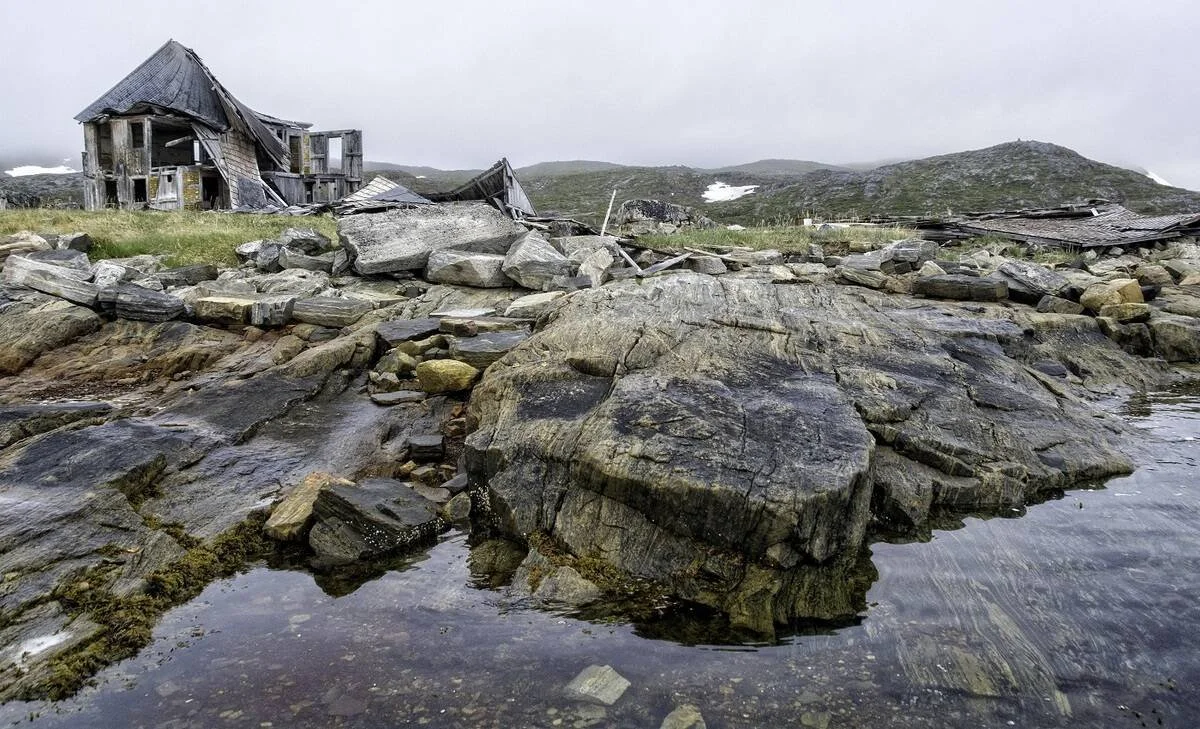
Torngat Mountains National Park cannot be fully understood without acknowledging its importance to Inuit communities. The area is part of the traditional homeland of Inuit, who have travelled across and lived in this region for generations. The name Torngat itself reflects this cultural history. The mountains, coastlines, rivers, and valleys are not simply scenic features; they form part of a landscape connected to Inuit knowledge, traditions, travel routes, hunting, and family histories.
This relationship with the land is reflected in the way the park is managed. Inuit knowledge plays an important role alongside scientific research, helping visitors and park managers understand the environment from different perspectives. For a traveler, this can change the entire experience. Instead of viewing the mountains only as a spectacular wilderness destination, visitors can begin to appreciate the cultural stories and long history connected to the places they are seeing.
Planning a Journey to Torngat Mountains National Park
Getting to Torngat Mountains National Park requires considerably more planning than visiting many other Canadian national parks. There are no highways running into the park, and visitors need to think carefully about transportation, safety, accommodation, weather, and supplies.
Summer is generally the main season for visiting. Access can involve charter aircraft, boats, or organized trips, depending on the itinerary. Some visitors travel through organized programs associated with the Torngat Mountains Base Camp, while experienced wilderness travelers may arrange independent expeditions.
Anyone planning an independent trip needs to take the environment seriously. Weather conditions can change quickly, communications can be limited, and medical or emergency assistance may be far away. Registration and orientation requirements are part of responsible trip planning, and visitors should make sure they understand current park regulations before travelling. The journey may require patience and preparation, but that is part of the story. In Torngat Mountains, the landscape itself becomes the main attraction - immense, quiet, unpredictable, and deeply connected to the people who have known this northern land for generations.
