
Hidden Hotspots to Visit in Canada
Canada is often associated with well known destinations such as major cities, national parks, and famous landmarks. Beyond these familiar locations, however, lie many lesser known places that offer distinctive experiences without large crowds. These hidden hotspots appeal to travellers looking for quieter environments, regional character, and opportunities to explore at a slower pace.
Dawson City, Yukon
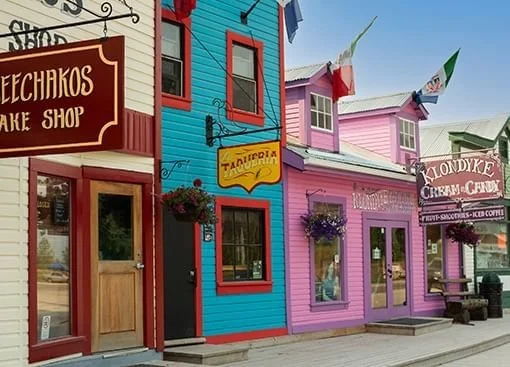
Located near the confluence of the Yukon and Klondike rivers, Dawson City retains much of its frontier era character. Wooden boardwalks, preserved buildings, and small museums reflect the town’s history without feeling overly curated.
Visitors often find Dawson City appealing for its cultural events, artistic community, and access to surrounding wilderness. Summer months bring extended daylight, making it easier to explore walking trails and historic sites at a relaxed pace.
Lunenburg County Backroads, Nova Scotia
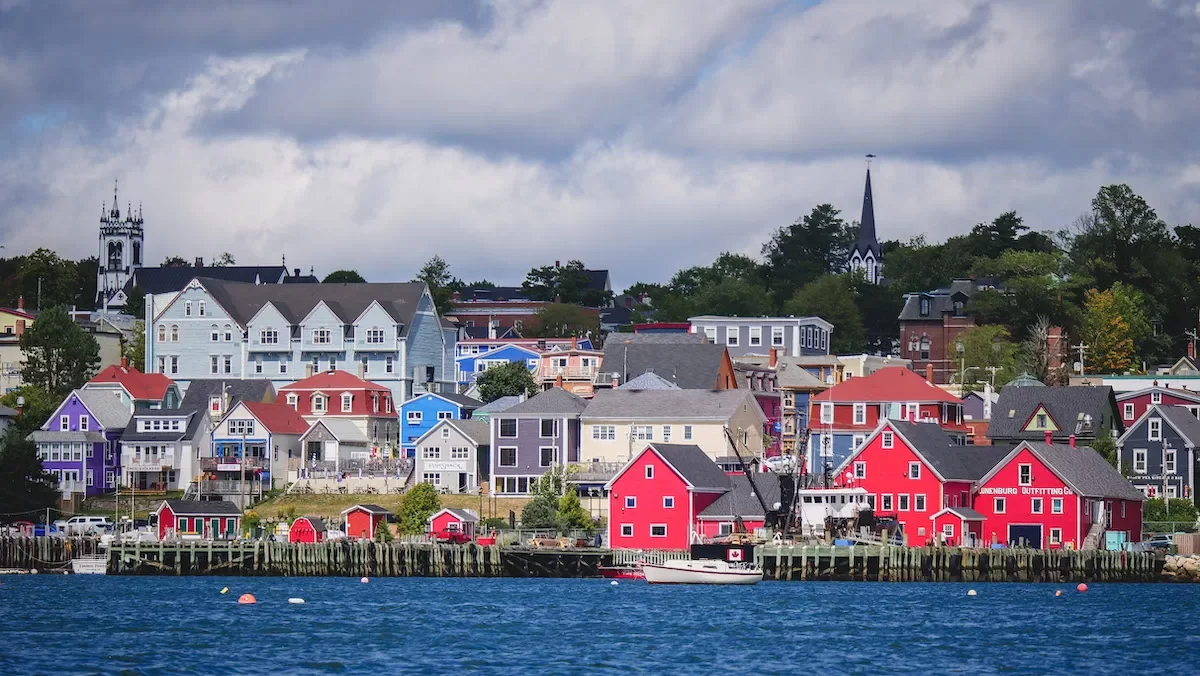
While Lunenburg itself is well known, the surrounding county is home to quieter coastal communities and inland villages that rarely appear on mainstream travel itineraries. Driving along secondary roads reveals fishing harbours, working farms, and small beaches that feel distinctly local. These areas are particularly appealing to travellers interested in architecture, regional food traditions, and scenic coastal landscapes away from busy tourist centres.
Manitoulin Island, Ontario
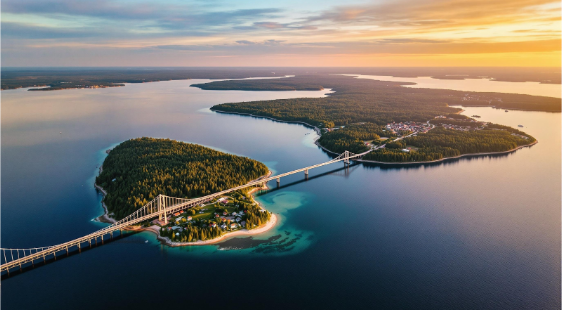
Manitoulin Island sits within Lake Huron and combines freshwater coastline with rolling hills and small communities. Despite its size, the island remains relatively uncrowded compared to other summer destinations in Ontario. Travellers often explore the island through its hiking trails, small towns, and shoreline viewpoints. Cultural centres and local galleries add context to the region’s history, while night skies away from urban centres are a notable feature for visitors seeking quiet evenings.
Grasslands National Park, Saskatchewan
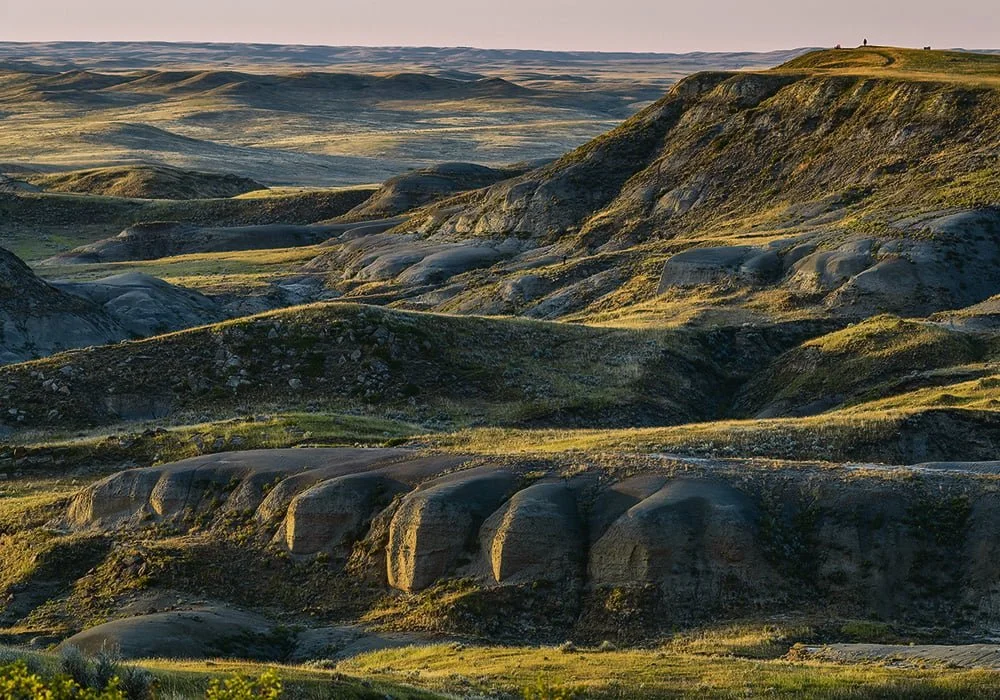
Grasslands National Park offers a very different Canadian landscape, defined by open prairie, expansive horizons, and minimal development. The area is well suited to visitors who appreciate spacious environments and subtle natural detail rather than dramatic scenery. Because the park receives fewer visitors than larger national parks, travel here often feels more personal. Interpretive trails and guided programs provide insight into the region’s ecology and history without overwhelming the experience.
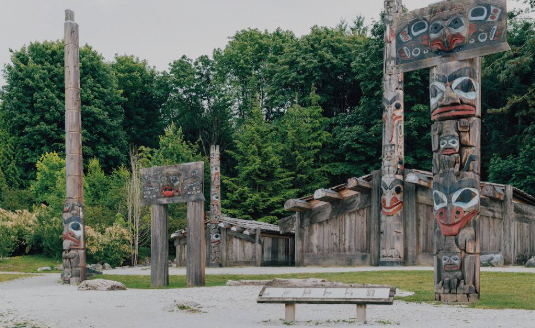
Haida Gwaii, British Columbia
Haida Gwaii is remote and requires planning to reach, which contributes to its status as a hidden hotspot. The archipelago features rugged coastlines, forests, and small communities spread across the islands. Visitors often note the strong sense of place, with cultural sites, art installations, and locally guided experiences adding depth to the journey. Travel here benefits from a measured itinerary that allows time to adjust to the environment and weather conditions.
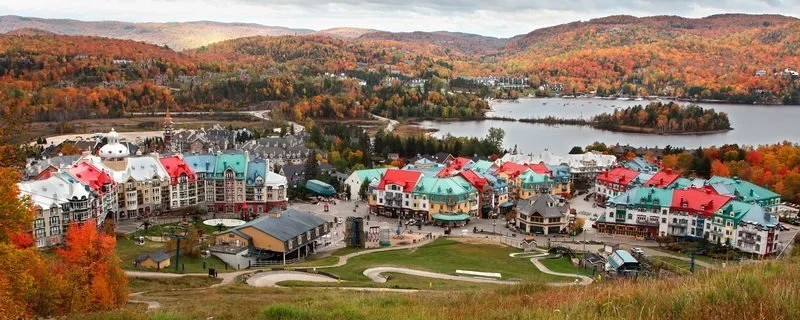
Les Laurentides Villages, Quebec
Away from the larger resorts of the Laurentians, smaller villages scattered throughout the region offer quieter alternatives. These communities are often centred around lakes or rivers and maintain strong seasonal rhythms tied to outdoor activity. Local bakeries, markets, and walking paths form the heart of village life. Travellers who take the time to explore beyond the main roads often discover well maintained trails and viewpoints that are largely visited by residents rather than tourists.
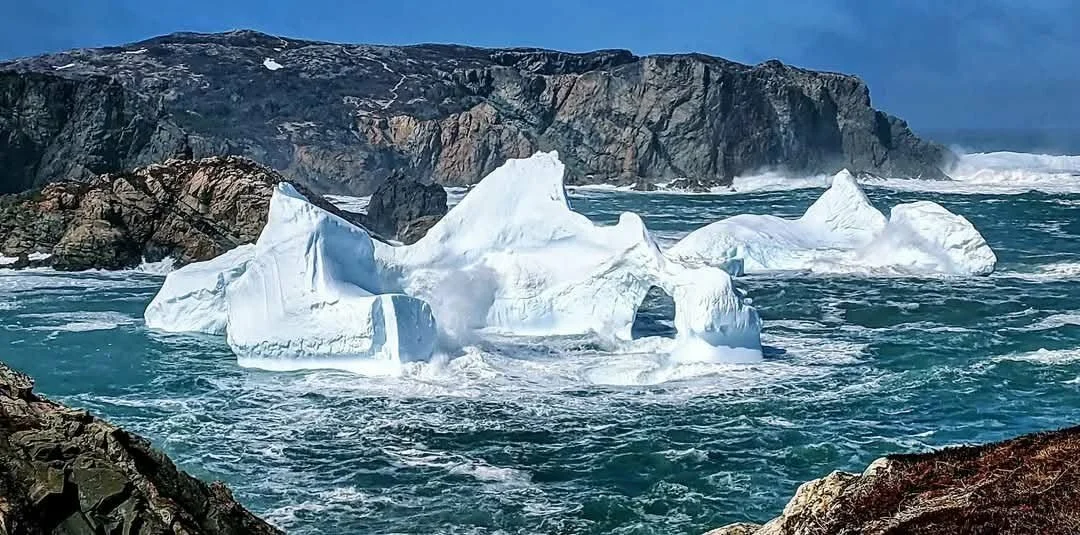
Twillingate, Newfoundland and Labrador
Twillingate is known regionally for its coastal scenery but remains less frequented than other Atlantic destinations. The town’s location along rugged shoreline makes it a strong base for coastal walks, boat tours, and visits to nearby islands. The pace of travel here is shaped by weather and daylight, encouraging flexibility. Small museums and viewpoints provide context and perspective rather than structured itineraries.
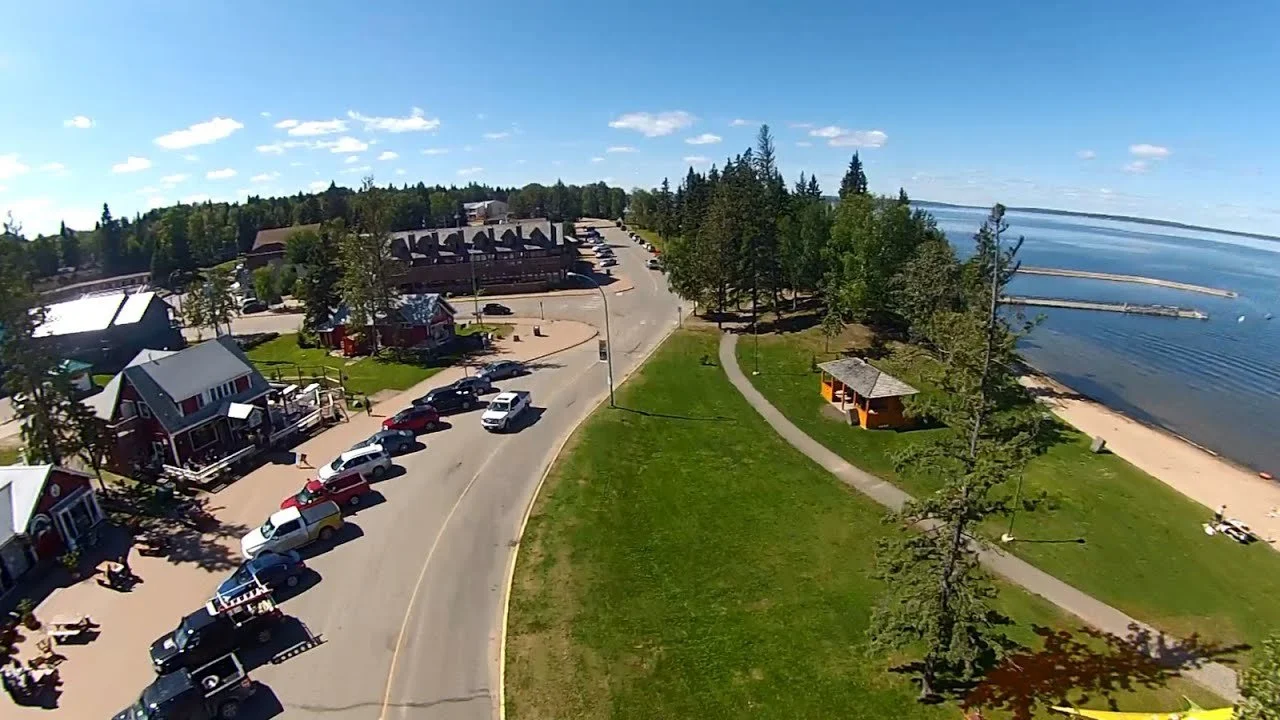
Prince Albert National Park, Saskatchewan
While Prince Albert National Park attracts its share of visitors, the surrounding areas are significantly quieter. Small towns and lakes beyond the park boundary offer accommodation and access points without heavy traffic. This fringe region is well suited to travellers who prefer scenic drives, modest hiking routes, and unstructured exploration. The balance between park access and local services makes it a practical alternative to more commercial destinations.
Evenings and Low Key Entertainment
In smaller destinations, evenings are often shaped by simple routines such as scenic walks, local dining, or time spent at accommodation. Some travellers choose to unwind with reading, conversation, or digital entertainment. In a few accommodation settings, visitors may encounter amenities or references that range widely in character, from board games to recreational digital platforms, occasionally including mentions of leisure features such as slots (adult visitors) depending on the property and its services.
Travel Planning for Hidden Destinations
Exploring lesser known places in Canada benefits from flexible planning. Many hidden hotspots operate seasonally, with services adjusting to weather and demand. Booking accommodation early and allowing extra travel time can make the experience smoother.
Choosing these destinations often means embracing variability, quieter schedules, and deeper engagement with local environments. For travellers willing to look beyond headline locations, Canada’s hidden hotspots provide meaningful alternatives shaped by landscape, community, and pace rather than popularity.
