
The Art of Having Fun in Canadian Cities: Beyond Museums and Famous Landmarks
Visiting a Canadian city does not have to mean spending most of your time at museums, historical sites, or famous attractions.
These places are worth seeing, but they rarely show the full range of experiences a destination offers. Much of what makes cities interesting happens in ordinary neighborhoods, public spaces, and places where residents spend their free time.
Across Canada, you can enjoy urban life in many ways beyond traditional sightseeing. From exploring independent businesses in Toronto to attending community events in Calgary, visitors can discover activities that reflect each city's character. The key is knowing where to look and being willing to try something different.
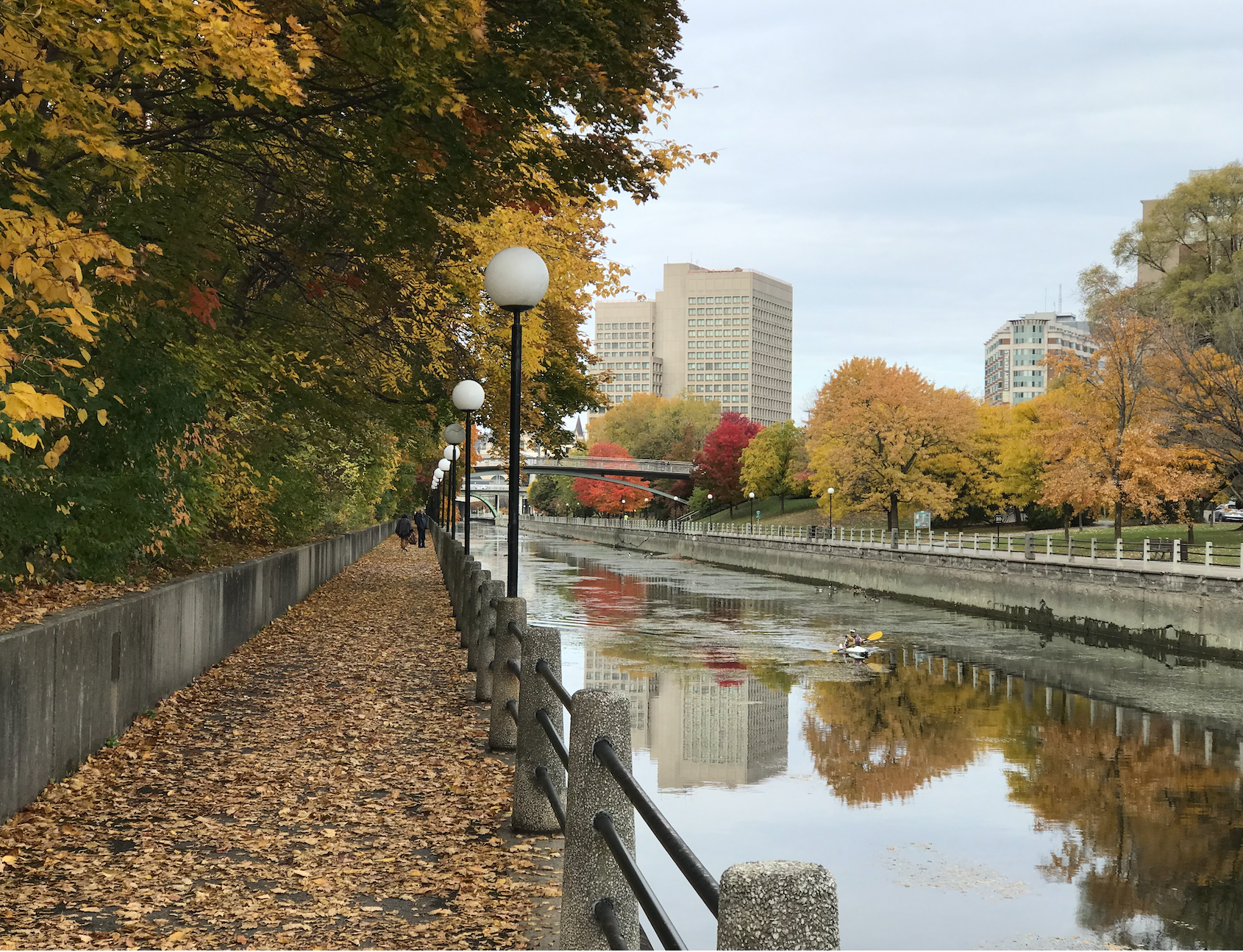
Many cities in Canada have river walks, like Ottawa’s Rideau Canal.
Discover the Character of Local Neighborhoods
One of the simplest ways to understand a Canadian city is to explore its neighborhoods rather than concentrate entirely on downtown attractions.
Residential and mixed-use districts often have their own restaurants, independent shops, public art, and gathering places. They also reveal how communities have developed over time.
Montreal's Mile End neighborhood is an excellent example. Known for its independent cafés, bookstores, music venues, and bagel shops, it offers plenty to explore without requiring a formal itinerary.
Other interesting areas include:
Kensington Market, Toronto: A lively district with vintage stores, international food, street art, and small independent businesses.
Inglewood, Calgary: One of the city's oldest neighborhoods, featuring historic buildings, local shops, galleries, and restaurants.
Commercial Drive, Vancouver: A culturally diverse area with neighborhood cafés, international restaurants, and community events.

Calgary’s Inglewood neighbourhood has a funky Main Street with book stores, art galleries, boutiques, cafes, live music venues and numerous restaurants.
Make Walking Part of the Experience
Instead of moving directly between attractions, choose a neighborhood and explore several nearby streets.
Notice older buildings, community gardens, small businesses, and public spaces. These details can explain how an area functions and what residents value.
For a more structured experience, consider joining a neighborhood walking tour led by a local guide.
Experience Canadian Cities Through Their Food Culture
Restaurants are an important part of urban tourism, but dining at popular establishments is only one way to explore Canadian food culture.
Public markets, independent bakeries, food festivals, and small family-run businesses often provide a more varied experience. They also introduce visitors to the communities that have influenced local cuisine.
Vancouver's Richmond area, for example, is particularly interesting for its Chinese and other Asian food traditions. Visitors can explore restaurants serving regional specialties, visit food courts, or shop for products at Asian grocery stores.
In Montreal, Jean-Talon Market offers another perspective. Located in Little Italy, it brings together produce vendors, specialty food shops, and regional products.
Explore Newer Interests and Habits
One of the more interesting ways to learn about a place is to examine the activities and interests that have become popular among its residents. Cities constantly change, and newer forms of entertainment can reveal how people use public spaces, technology, and their leisure time.
Street art offers a good example. Once mainly associated with graffiti, street art has become an established part of urban culture, with many Canadian cities supporting large-scale murals and public art projects.
Toronto's Graffiti Alley attracts visitors interested in contemporary art and photography, while Montreal's MURAL Festival has helped establish Saint-Laurent Boulevard as a destination for outdoor art.
Besides creative activities, digital interests are another area worth examining. Streaming services, mobile games, and online communities have changed how people spend time at home or relax after work. These habits matter because modern urban lifestyles increasingly blend physical activities with digital experiences.
Online casino gaming is one example. According to the Ottawa Citizen's research on online gambling sites, some platforms can offer more than 5,000 games. Such extensive catalogs illustrate how digital gaming providers have expanded their offerings to serve different preferences.
Another growing area of interest is social gaming in physical venues. Board game cafés, escape rooms, and interactive entertainment spaces let people join shared activities rather than just watch performances.
These venues help visitors experience a city's contemporary social culture, especially in the
These venues help visitors experience a city's contemporary social culture, especially in the evenings or during colder months.
Attend Community Events Instead of Major Tourist Shows
Large festivals draw considerable attention, but smaller community events can be just as enjoyable.
Neighborhood celebrations, independent art markets, outdoor performances, and local cultural gatherings create opportunities to interact with residents and discover emerging artists.
Hamilton's Supercrawl is a notable example of how community-based cultural activity can develop into a major urban event. Centered around James Street North, it brings together music, visual art, performances, and local businesses.
In Edmonton, the annual Fringe Festival demonstrates the importance of independent theatre and accessible cultural programming.
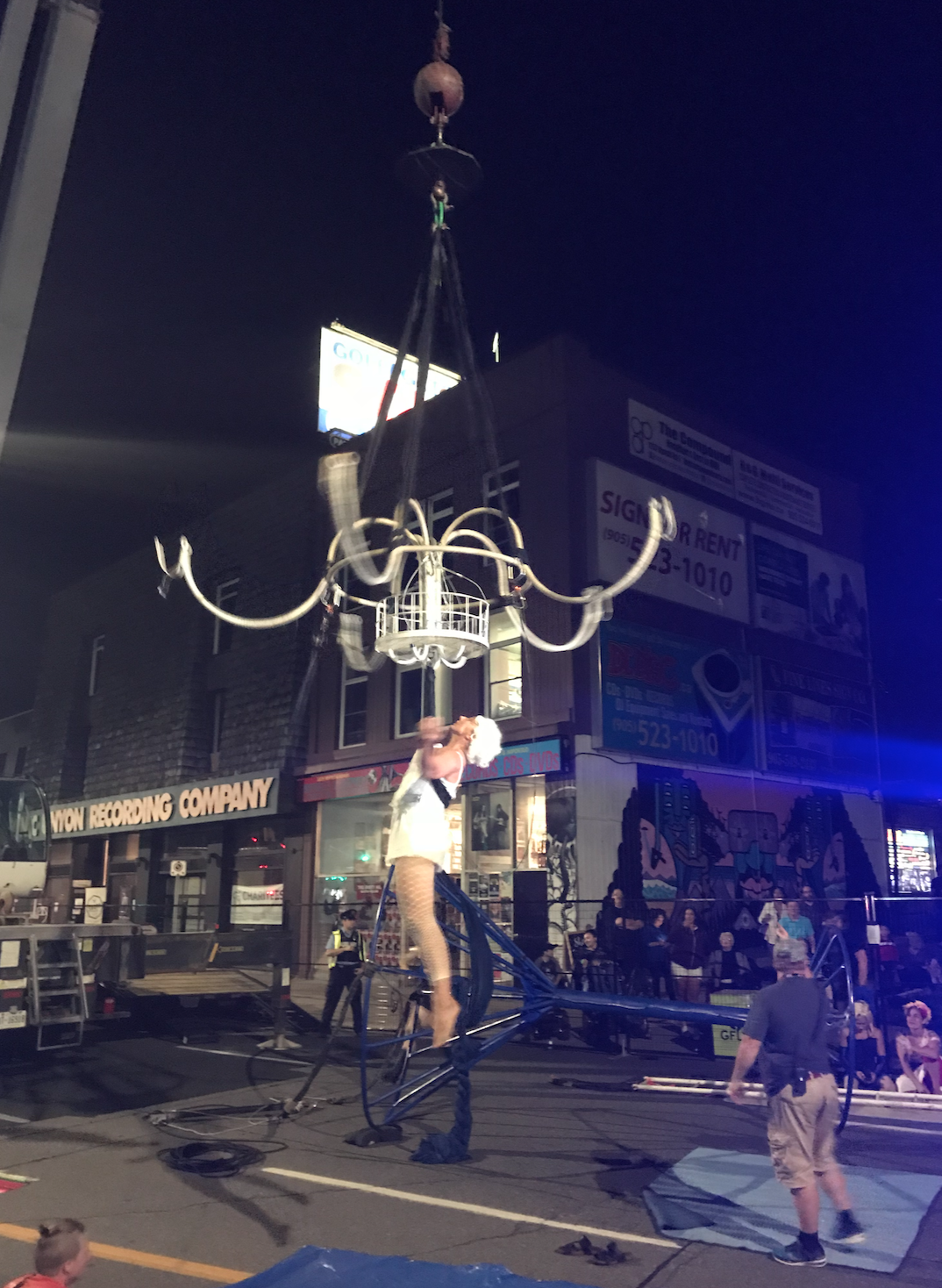
Hamilton’s Supercrawl is a fun monthly street festival.
Find Events That Match Your Interests
Before visiting a destination, consider checking:
Municipal event calendars for public activities.
Community association websites for neighborhood celebrations.
Local arts organizations for exhibitions and performances.
Public libraries for workshops, readings, and cultural programs.
Smaller events may require advance registration, while others are free and open to the public. Checking schedules beforehand helps avoid disappointment.
Enjoy Public Spaces in Unexpected Ways
Canadian cities offer numerous opportunities for recreation without spending much money.
Parks, riverfront pathways, pedestrian streets, and public squares serve as gathering places for residents. Many also host seasonal activities that change throughout the year.
Ottawa's Rideau Canal provides a particularly interesting example. Its surrounding pathways are popular for walking and cycling during warmer weather. In winter, sections of the canal may open for skating when conditions permit.
Winnipeg's The Forks combines riverside recreation with food, public art, and community programming. It works as both a visitor destination and a regular meeting place for residents.
Look Beyond Traditional Park Activities
Urban public spaces can also be used for:
Outdoor photography and architecture walks.
Seasonal skating and winter recreation.
Public art exploration.
Community fitness classes and recreational activities.
The most suitable activities depend on the season, local regulations, and available facilities.
Discover the City's Evening Culture
A city's atmosphere often changes considerably after sunset. Restaurants become busier, performance venues open, and entertainment districts attract different crowds.
However, enjoying Canadian cities at night doesn't necessarily mean visiting bars or expensive venues.
In Toronto, visitors can attend independent theatre performances or explore evening cultural programming. Montreal offers live music, comedy, and seasonal outdoor events, while Halifax has an established local music scene.
For something less conventional, consider an evening photography walk through well-lit public areas or attending a nighttime cultural event.
Choose activities that match your interests, and check transportation options, venue hours, and neighborhood conditions.
Create an Experience That Reflects the City
No single formula exists for enjoying Canadian urban destinations. Each city has its own geography, communities, cultural traditions, and recreational opportunities.
Instead of planning every hour around famous attractions, pair a few established highlights with neighborhood exploration, independent businesses, and local events.
This approach offers a fuller sense of a destination without requiring an expensive or complicated itinerary.
Ultimately, the most rewarding city visits often come from paying attention to ordinary urban life. A local market, an independent performance, an unfamiliar neighborhood, or an interesting public space can provide valuable insight into what makes a Canadian city distinctive.
