
Wandering Saskatchewan: A Prairie Road Trip Through Saskatoon, Moose Jaw & the Qu'Appelle Valley
Saskatchewan rarely makes the top of any Canadian bucket list, and that is precisely why it deserves another look. The province rewards the slow traveller — the kind willing to drive long, straight ribbons of highway under enormous skies, stop in towns most people fly over, and discover that the prairies are not empty at all. They are quietly full of museums, mineral pools, Prohibition-era tunnels, First Nations heritage sites older than the pyramids, and some of the best diner food in the country. What follows is a seven-day road-trip route built for travellers who have already done Banff and are wondering what comes next.
Days 1 and 2: Saskatoon — the Paris of the Prairies
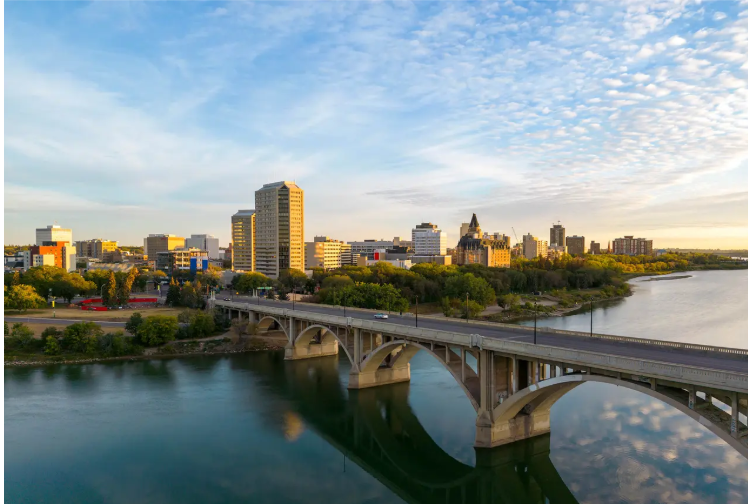
Most Saskatchewan trips are best launched from Saskatoon. The city straddles the South Saskatchewan River with seven bridges, which is why locals call it the Bridge City, though "Paris of the Prairies" is the nickname that stuck after Sir Wilfrid Laurier visited in 1910. The riverbank itself is the first thing to explore — the Meewasin Valley Trail runs more than 90 kilometres along both sides of the river, and the stretch from the Broadway Bridge to the Mendel site is an easy two-hour walk with excellent coffee stops.
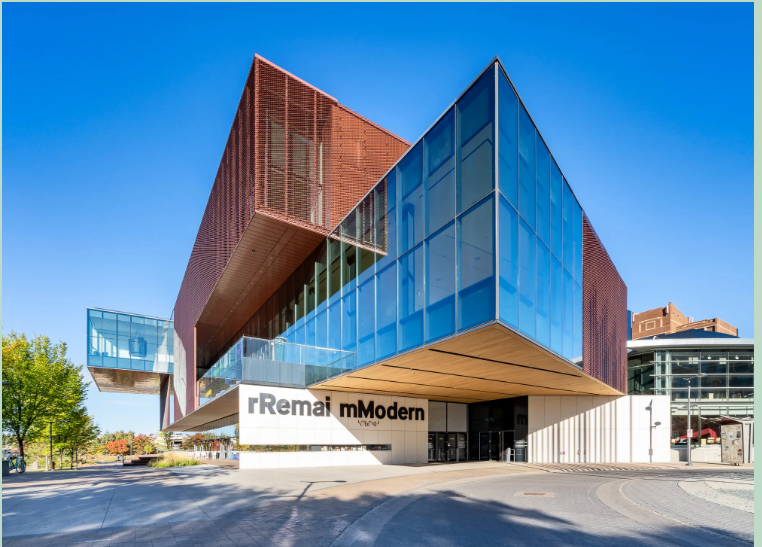
The single attraction worth prioritising is the Remai Modern. Designed by KPMB Architects and opened in 2017, it sits right on the river and holds the largest public collection of Picasso linocuts in the world — more than 400 of them, donated by Ellen Remai. Even visitors who do not care for Picasso find the building itself worth the ticket: cantilevered copper-mesh boxes that catch the prairie light in completely different ways depending on the hour.
Twenty minutes north of the city, Wanuskewin Heritage Park is the stop that surprises most visitors. It is a 6,000-year-old gathering place of the Northern Plains peoples, with bison restored to the land in 2019 after a 150-year absence. The interpretive trails pass tipi rings, a medicine wheel, and a buffalo jump. Wanuskewin is currently Canada's only active UNESCO World Heritage nomination, and the significance becomes apparent within ten minutes of walking the coulees.
For dinner, the Broadway district is the right call. Calories Restaurant has been the city's go-to special-occasion spot since the late eighties — small, candlelit, with a chalkboard menu that leans hard into Saskatchewan ingredients (Saskatchewan-raised lamb, prairie-grain breads, saskatoon-berry desserts). Around the corner, Museo Coffee serves a proper morning espresso, and the Saskatoon Farmers' Market on Avenue B is the Saturday-morning ritual every local will recommend.
Photo tip: the Broadway Bridge at golden hour, shot from the riverbank just north of the Victoria Park side, frames the bridge, the river bend, and the downtown skyline in a single composition.
Day 3: The Drive South — Lumsden and the Qu'Appelle Valley
From Saskatoon, Highway 11 south is the classic prairie drive. Two hours in, the land suddenly drops away into the Qu'Appelle Valley — a glacial trench so unexpected that most first-time visitors slow the car to take it in. The village of Lumsden sits at the western edge and is worth a coffee stop at Free Bird Café, plus a stroll past the studios on Carleton Street (Lumsden has quietly become a working-artist community).
Continue east along Highway 22 and the route strings together Echo Valley Provincial Park, Pasqua Lake, and Katepwa Provincial Park — four glacial lakes in a row, each with its own beach, dock, and small-town main street. Last Mountain Lake, slightly north, is the oldest bird sanctuary in North America, established in 1887 and now jointly managed as a National Wildlife Area by Environment and Climate Change Canada. In spring and autumn the sanctuary sees more than half a million migrating birds, including sandhill cranes and tundra swans. Binoculars are essential.
A short detour off Highway 22 leads to the Motherwell Homestead National Historic Site near Abernethy — the preserved 1882 stone farmhouse of W.R. Motherwell, one of the architects of Western Canadian agriculture. Parks Canada interpreters in period dress demonstrate threshing and ice harvesting depending on the season, and the kitchen garden is genuinely beautiful in July.
Day 4: Regina — Bigger than its Reputation
Regina is a city that under-sells itself, which is half its charm. The Royal Saskatchewan Museum on Albert Street is free, and the First Nations Gallery on the main floor offers one of the most thoughtful presentations of Plains Indigenous history in any Canadian museum. Upstairs, "Scotty" the T. rex — the world's heaviest dinosaur skeleton, by weight — is on display.
The RCMP Heritage Centre, next to the still-active Depot Division training academy, is the other must-do. Visitors who time their trip for the Sergeant Major's Parade (most weekdays in summer at 12:45 p.m.) can watch new cadets drill on the parade square. The museum next door covers everything from the 1874 March West to the modern Mountie, and the gift shop carries the best stetson-themed souvenirs in the country.
Wascana Centre, the green heart of Regina, is larger than New York's Central Park and wraps around Wascana Lake. The Saskatchewan Legislative Building sits on the south shore — free guided tours run hourly in summer, and the marble interior (eleven varieties, from quarries on four continents) is unexpectedly grand for a prairie capital. A walk through the rose garden afterwards pairs well with a late lunch at The Lobby Kitchen & Bar in the Hotel Saskatchewan for proper Canadian comfort food.
Days 5 and 6: Moose Jaw — Tunnels, Murals, and a Mineral Spa
Forty-five minutes west of Regina on the Trans-Canada, Moose Jaw is the trip's biggest sleeper hit. The Tunnels of Moose Jaw run costumed-actor tours through restored subterranean passages beneath the downtown — the "Chicago Connection" tour walks visitors through the Prohibition-era story of Al Capone's alleged Saskatchewan operations (the evidence is circumstantial but the storytelling is excellent), while "Passage to Fortune" covers the much darker chapter of Chinese-Canadian immigrant labour at the turn of the century. Both run about an hour and both are worth doing.
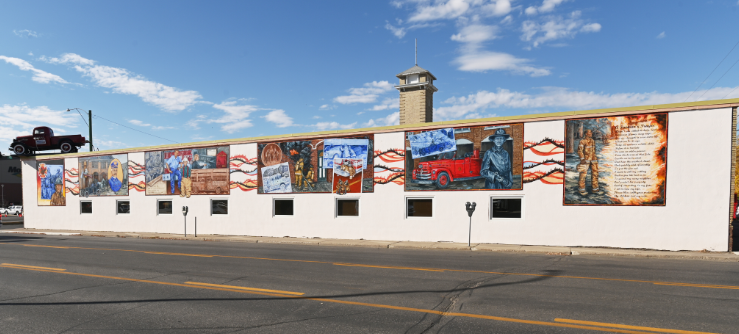
Above ground, the Murals of Moose Jaw is a self-guided walking tour of more than 47 large-scale outdoor murals depicting prairie history — they cover entire building walls along Main Street and Manitoba Street. The free map from the visitor centre on Diefenbaker Drive is all that is needed.
The final afternoon belongs at Temple Gardens Hotel & Spa. Its rooftop geothermal mineral pool, fed from a 1,350-metre-deep aquifer, is the largest of its kind in Canada. Floating in 41-degree mineral water while the prairie sun sets over the rail yards is one of the most quintessentially Saskatchewan experiences available. Long road-trip days settle into the bones, and an evening here is the right way to reset before the drive home — though some travellers prefer to wind down indoors instead, watching a movie or, for those so inclined, browsing safe online casinos for Canadian players from the hotel room. Different strokes, same long-day-on-the-road remedy.
Crescent Park, two blocks east of Main, is the other quiet pleasure of Moose Jaw — a Victorian-era park with a 1928 band shell, a small art museum, and a duck pond. Locals walk it every evening.
Day 7: The Drive Home
From Moose Jaw, the loop back to Saskatoon on Highway 2 takes about three hours and runs through some of the most underrated grassland scenery in the country — the Coteau Hills, the Arm River valley, and the long open stretches near Davidson where the horizon is so wide that weather systems can be seen forming kilometres away. Travellers with an extra night should consider stopping in the village of Craik, which has a surprisingly good eco-centre and a roadside café that bakes its own pies.
Practical Notes for the Prairie Traveller
The best months for this route are mid-June through mid-September. July and August offer the longest daylight (sunset after 9:30 p.m. in Saskatoon), the most farmers' markets, and the fullest provincial-park programming. Shoulder seasons reward visitors with the migrating birds at Last Mountain Lake and dramatically cheaper accommodation.
A rental car with cruise control is recommended. Prairie highways are long and beautifully empty, and the only real driving hazard is wildlife at dusk — deer in particular along the Qu'Appelle. Cell coverage is excellent on the main routes but drops in the provincial parks, so offline maps should be downloaded before leaving Saskatoon.
If there is one takeaway from this itinerary, it is this: Saskatchewan should not be rushed. The province does not reward a checklist mindset. Travellers who spend an unscheduled afternoon at a small-town museum, eat the pie, and chat with the person behind the counter at the farmers' market about where the saskatoon berries come from this year tend to leave with the best stories. The prairies open up slowly, and that, in the end, is the point. For anyone planning to linger longer in Saskatoon on the way in or out, the earlier feature on Saskatoon's public art and murals is a worthwhile companion read before setting off.
