
What is the Camino de Santiago? Ultimate Trail Guide
Dusty boots, yellow arrows, and winding paths through medieval villages define the iconic Camino de Santiago. This ancient network of trails draws hundreds of thousands of travelers to northwestern Spain every single year. You step onto paths walked by millions over a thousand years, heading toward the grand cathedral in Santiago de Compostela. Whether you seek spiritual clarity, physical challenge, or cultural immersion, this journey transforms everyone who undertakes it. Statistics show that over half a million people completed the trail recently, proving its timeless appeal. You do not need deep religious convictions to start. You simply need a desire to explore, a solid pair of shoes, and an open mind.
Historical Background of the Routes
The tradition dates back to the ninth century, when pilgrims traveled to honor St. James the Apostle. Today, it stands as a cultural phenomenon recognized by UNESCO as a World Heritage Site. People choose from more than ten official paths, spanning from short coastal routes to demanding mountain tracks. The legendary Camino Francés remains the top choice, attracting nearly half of all walkers. To secure the official Compostela certificate, walkers must complete at least 100 kilometers on foot, while cyclists must cover 200 kilometers. The journey offers breathtaking landscapes, historic architecture, and local flavors like Galician tapas.
Selecting Your Path on the Camino Trail in Spain
Every path provides a completely different experience. Your choice depends entirely on your fitness level, available time, and personal preferences.
● Camino Francés: The classic route starting from Saint-Jean-Pied-de-Port. It features incredible social infrastructure and vibrant camaraderie. Sarria serves as the most popular starting point for the final stretch.
● Camino Portugués Coastal: A beautiful alternative starting from Porto or Vigo. It offers flatter terrain, gentle ocean breezes, and stunning Atlantic views.
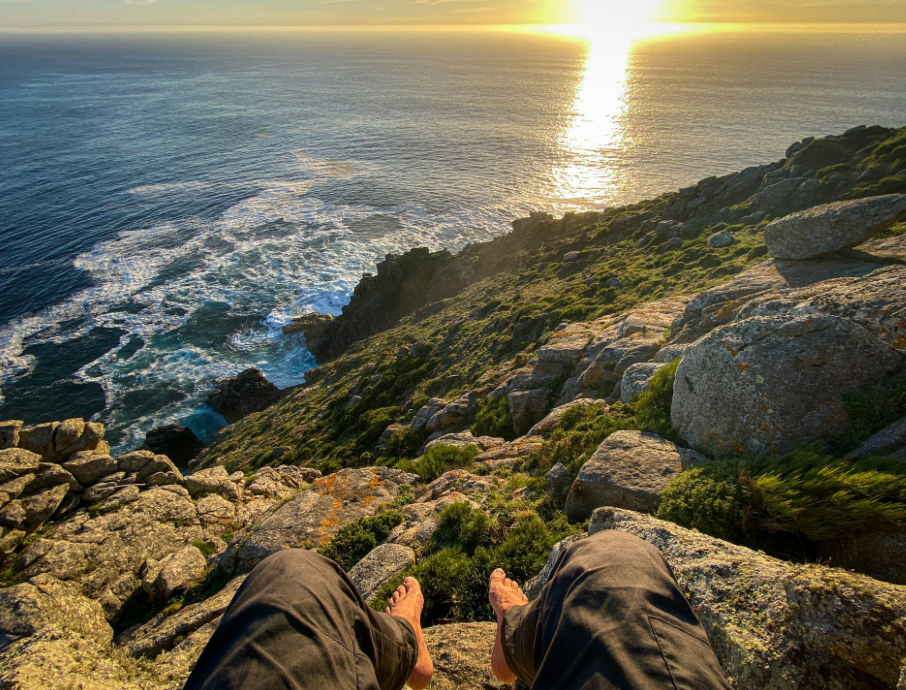
● Camino del Norte: A rugged track along the northern coastline. It rewards experienced hikers with dramatic cliff views and solitary paths.
Practical Tips for Walking the Camino Successfully
Preparation ensures a smooth journey. You must secure a Pilgrim Passport, known as the Credential, to collect daily stamps at cafes, churches, and hostels. These stamps serve as official proof of your journey.
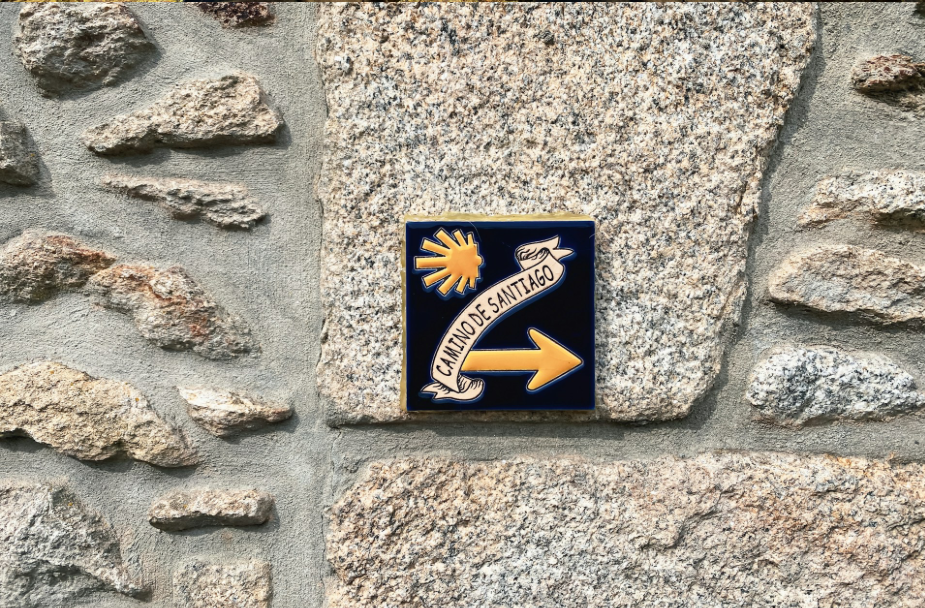
The best months to hit the trail are May, June, September, and early October. During these periods, temperatures stay mild, usually between 15°C and 27°C. Summer months bring intense heat exceeding 30°C and overcrowded accommodations, while winter weather forces many rural hotels to close. Following the path requires no navigation expertise, as yellow arrows and scallop shells clearly mark every intersection.
Resting and Entertainment on the Santiago Trail
Long days of trekking along the Santiago Trail demand proper physical and mental rest. After walking twenty kilometers, pilgrims gather in local hostels to share stories, wash gear, and relax. While some prefer reading or quiet reflection, others seek modern digital entertainment to unwind on quiet evenings. For instance, visiting the Pinco casino online site is a popular way to pass the time and enjoy casual slots or classic table games right from a smartphone. Engaging in a safe online casino session offers a distinct mental break from the day's physical exertion, helping you recharge before the next morning's trek. Balancing physical effort with relaxing hobbies makes the long journey much more manageable.
The Logistics of a Walk Across Spain
To walk across Spain requires careful consideration of gear and logistics. Packing light prevents injuries, so keeping your backpack weight under ten percent of your body weight is ideal. Luggage transfer services operate along major routes, allowing operators to move your bags from hotel to hotel if you prefer to walk without a heavy load. Anyone can complete this adventure, including families and older walkers, because you can adjust daily distances to match any fitness level.
The Ultimate Goal of the Camino de Santiago Pilgrimage
Reaching the Cathedral of Santiago de Compostela marks the emotional climax of the Camino de Santiago pilgrimage. Seeing the grand plaza filled with celebrating walkers creates an unforgettable memory. You join a community of people from over 190 countries who share the same paths and challenges.
Frequently Asked Questions
How long does it take to walk the trail? It depends on your path. The full French route takes around five weeks, while the final 100 kilometers require about one week.
Is the route safe for solo travelers? Yes, it is widely considered one of the safest long-distance walking routes globally. Thousands of solo walkers complete it safely every year.
The trail waits for your footprints. Planning this adventure requires minimal stress when you break it down step by step. Choose a route that fits your schedule, grab a reliable pair of boots, and let the yellow arrows guide your way. The memories, friendships, and personal insights gained along the path stay with you forever. Start preparing your gear today and take the first step toward an incredible journey across Spain.
