
Travel: A voyeuristic experience?
Recently, I picked up a copy of Aritha Van Herk’s 1998 novel “Restlessness.” I didn’t know what it was about, but I have enjoyed her novels in the past. (Yes, it was a thrift store find.)
The synopsis on the inside cover was intriguing: “Restlessness, a wandering woman, whose life and work is to travel…the only way to appease her terrible homesickness is to occupy the still centre of death. Unable to commit suicide, she hires a professional killer and contracts him to kill her, by her choice and her terms.”
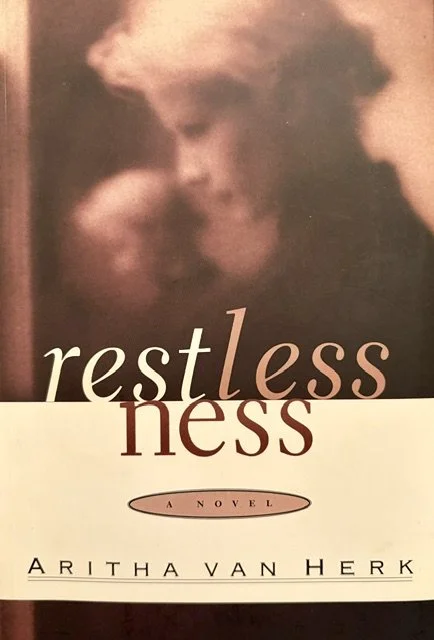
I was intrigued by the strange premise and thought-provoking premise! I loved how the tension builds as you read - Will the assassin kill her in the hotel room, or will they end up making love? At one point in the novel Van Herk says, “A hotel is not a home but a place to fantasize…” Hmmm….
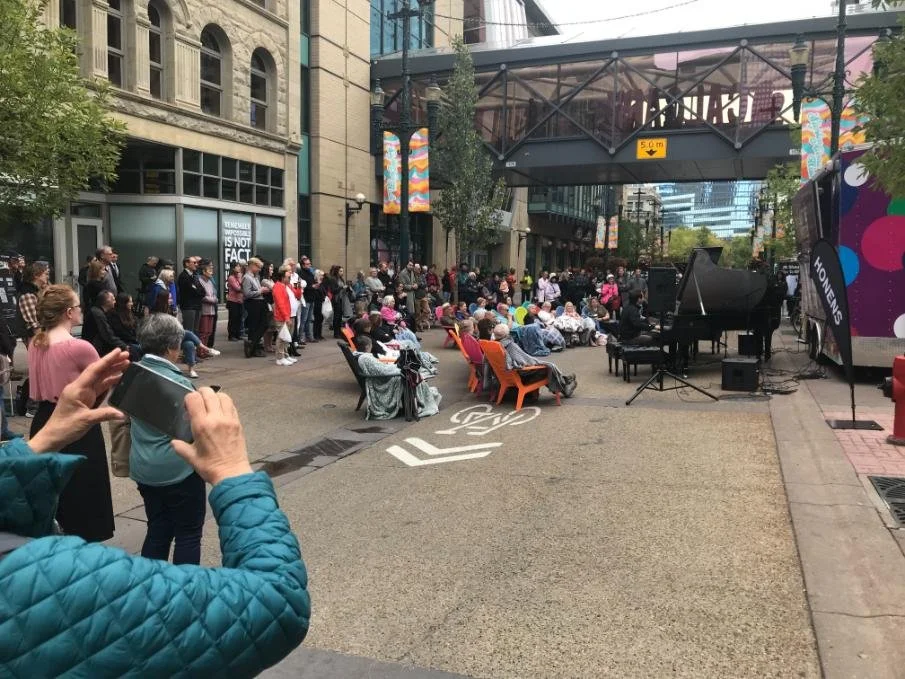
The story takes place in downtown Calgary – bonus! It was fun to follow the woman and her companion as they wander from the Palliser Hotel through downtown in the late ‘90s when downtown Calgary was my ‘hood.
But I digress – Is travel a voyeuristic experience? This idea comes from the novel as Van Herk’s main character refers to travel as a voyeuristic experience a couple of times at the beginning - and I couldn’t get the idea out of my head. I was soon underlining passages, making notes in the book and turning down page corners.
Voyeur Passage
“That’s what I learned to do as a traveler. Watch. Now I’m suspicious of my own movement. I suspect that the physical act of displacement we call travelling is my voyeurism seeking to read some pinnacle of experience, a gourmet acquisition of strangeness through dislocation, with all relevant assumptions about what is capturable. Mmm, this eggplant dip is wonderful.”
Voyeurism 101
Voyeurism is the act of watching unsuspecting people in private moments without their knowledge – sometimes called “peeping toms.” FYI: The term "Peeping Tom" originates from the 11th-century English legend of Lady Godiva, a noblewoman who rode naked through Coventry to protest high taxes. While townsfolk averted their eyes, a tailor named Tom snuck a peek and was struck blind or dead, becoming the namesake for a voyeur.
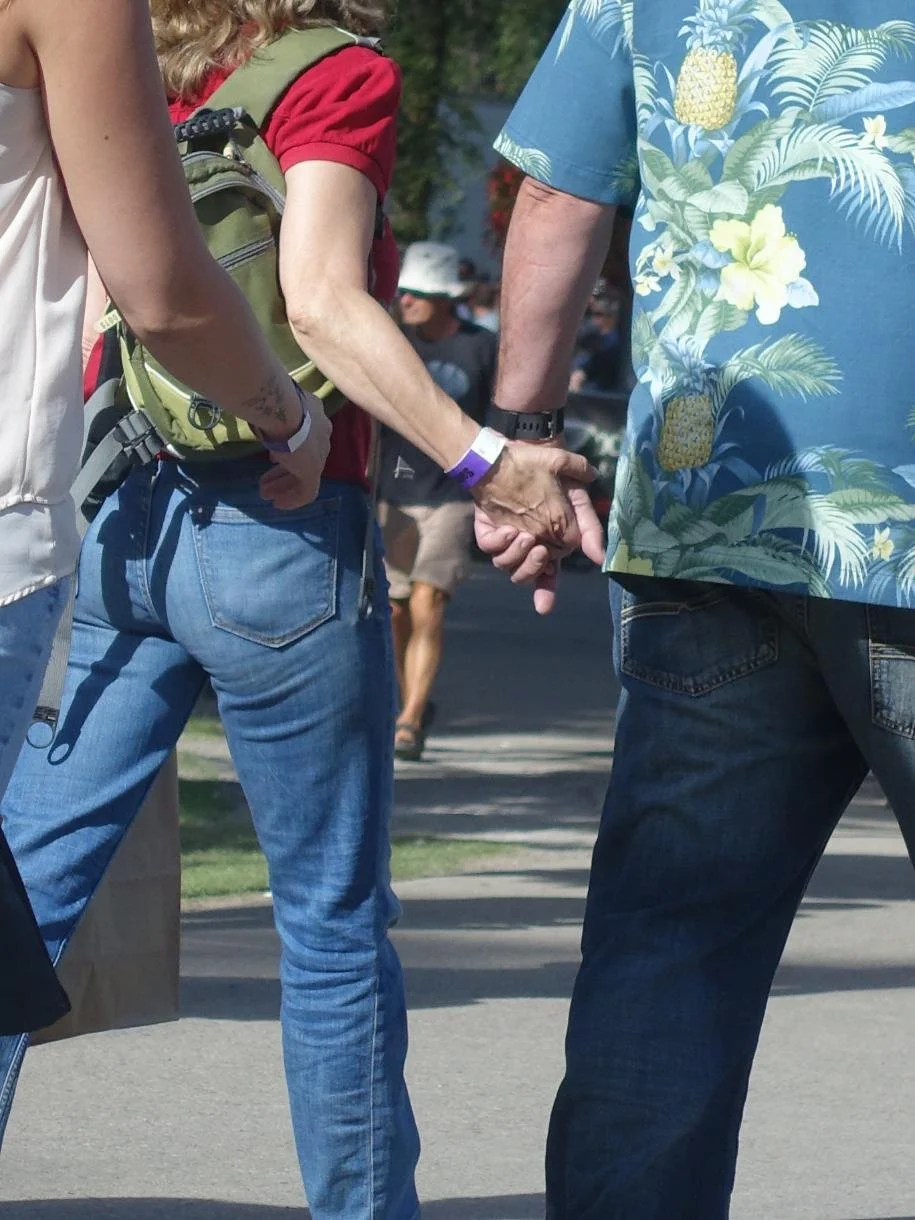
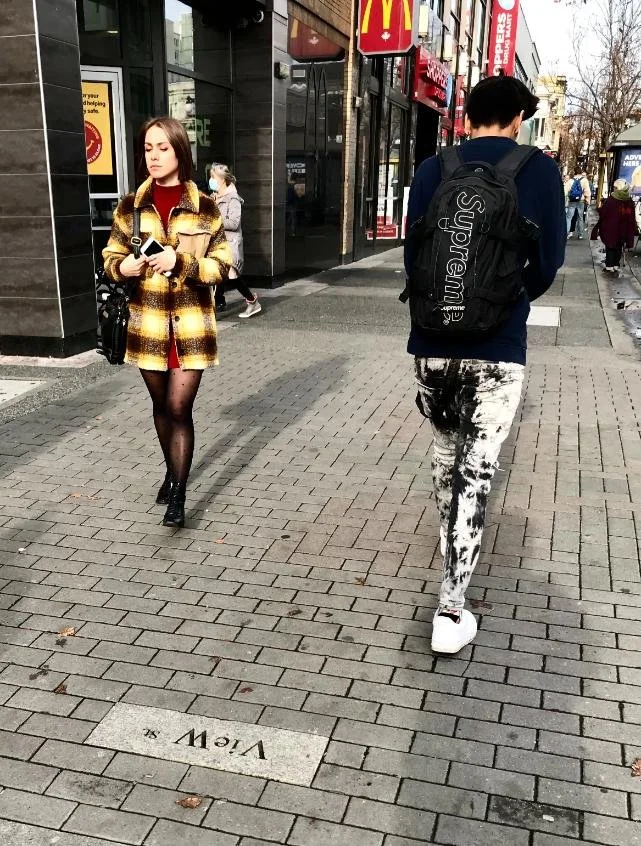
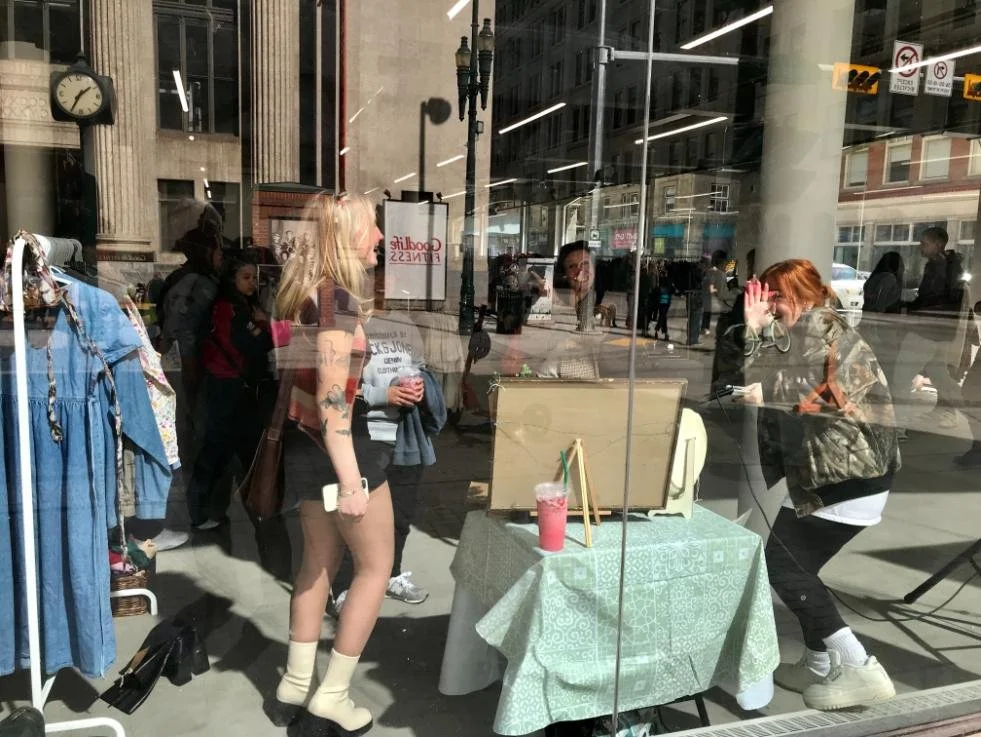
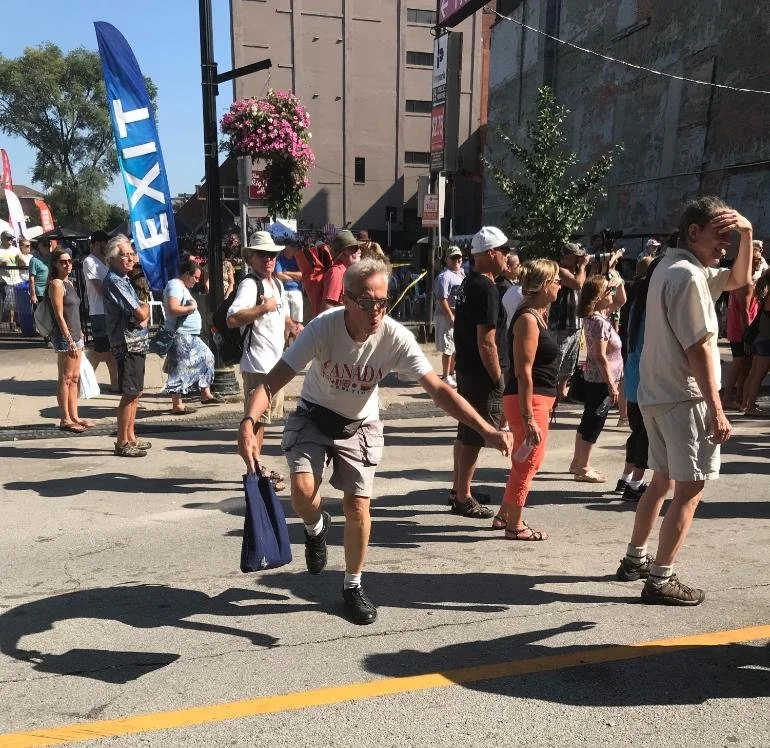
For me, one of the fun things to do when travelling is “people watching.” As a novice street photographer, I love the thrill of capturing people in places. To me it is people who bring a place to life, who animate a place and make it exciting.
In fact, there is some debate today about whether or not “street photography” is exploitative. Street photography often uses voyeurism as a tool to capture candid, authentic human moments, blurring the line between artistic documentation and privacy violation.
Many photographers consider a degree of voyeurism essential to capturing "unfiltered humanity." It involves documenting everyday public life, and yes sometimes without them being noticed. Voyeurism in photography can be distinguished from street photography by the intent of the photographer. Does the image focus on capturing a moment in the life of the city - or focuses intrusively on an individual's physical appearance?
Note: Laws in many countries, including Canada, US, UK, and EU, generally protect the right to take photos in public spaces, often falling under “artistic freedom.”
But I digress!
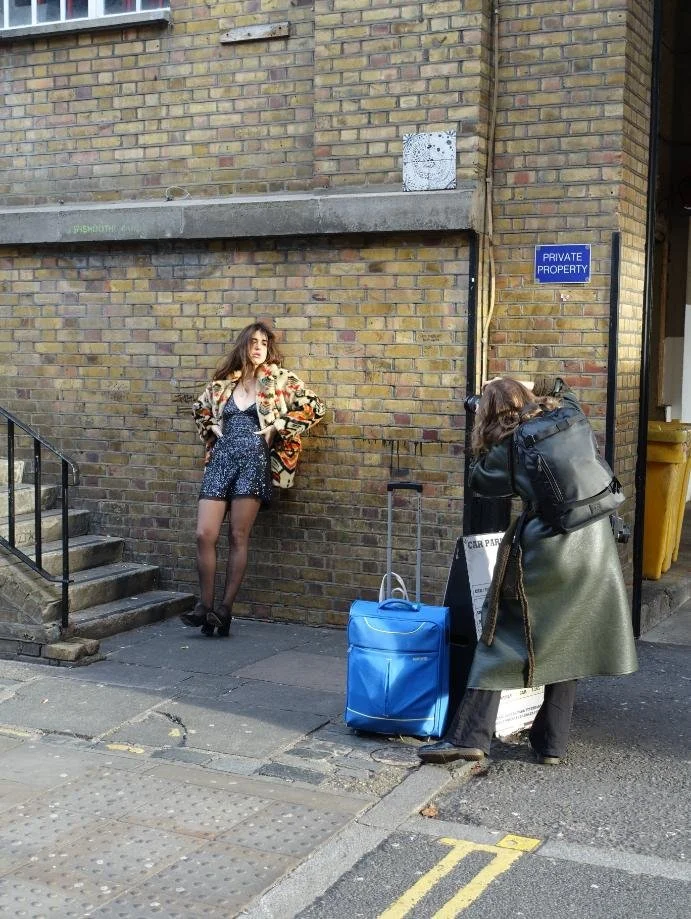
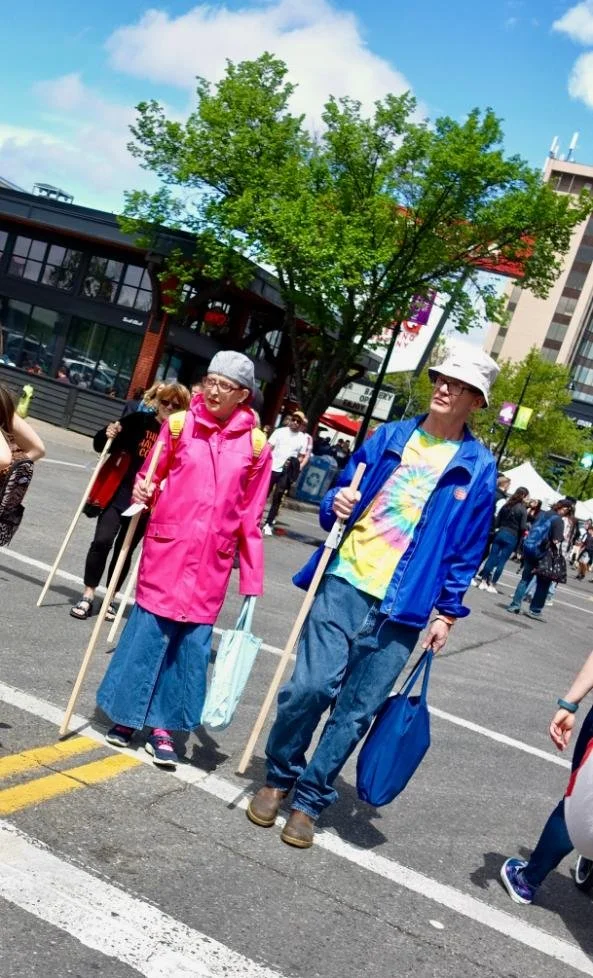
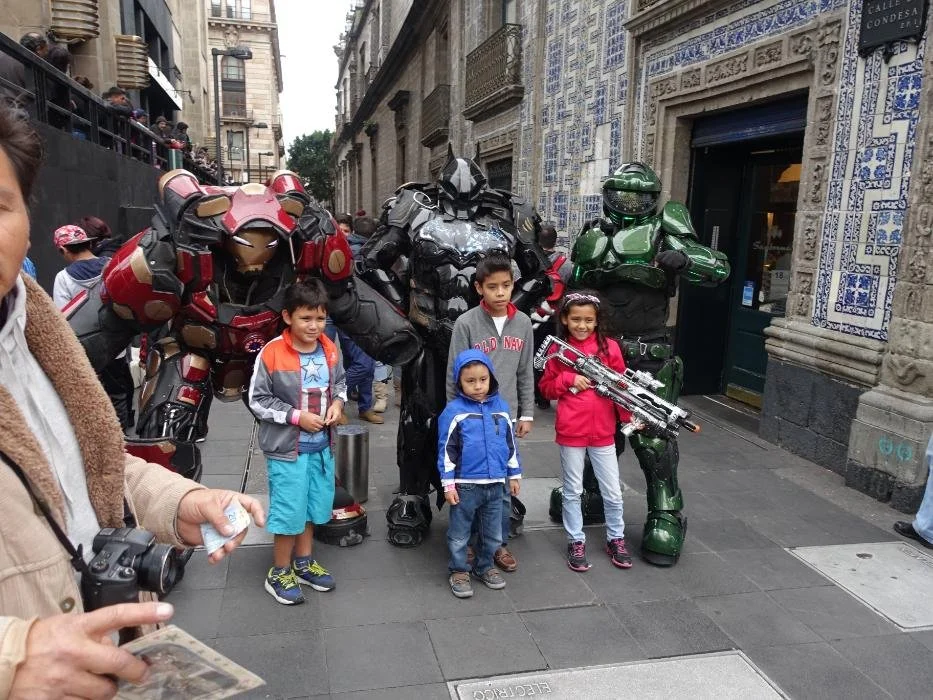
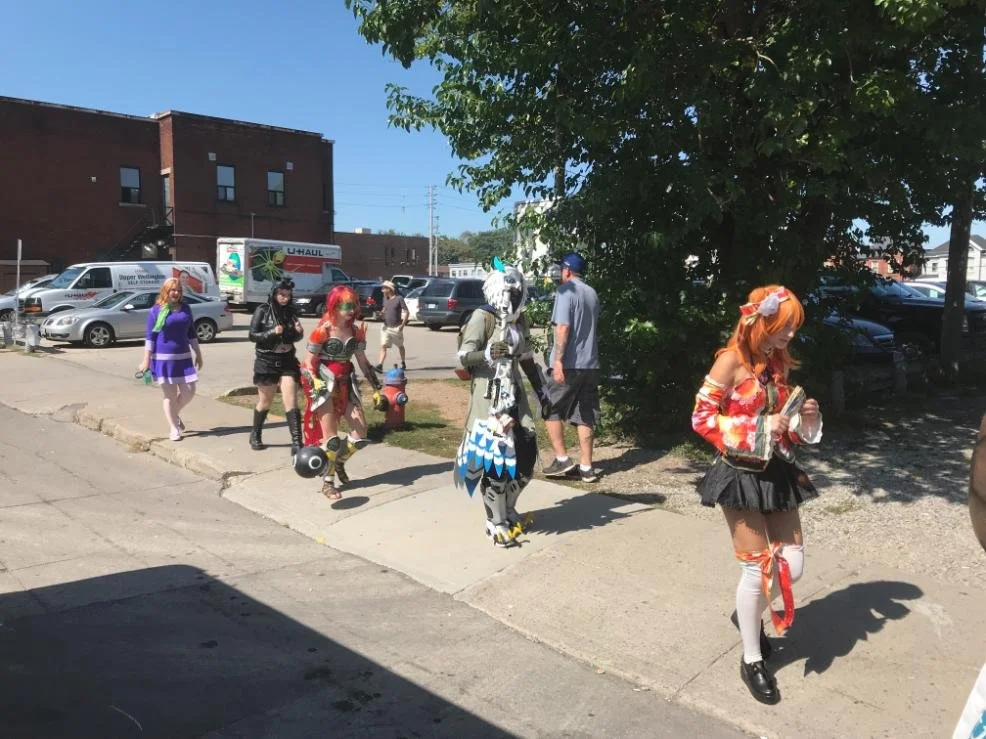
All travellers are voyeurs at times
It is not just street photographers who are voyeurs when they travel, I think we all become somewhat voyeuristic when travelling.
Who hasn’t sat at a café, bar or plaza and people watched?
Who hasn’t taken a photo of strangers doing something intriguing?
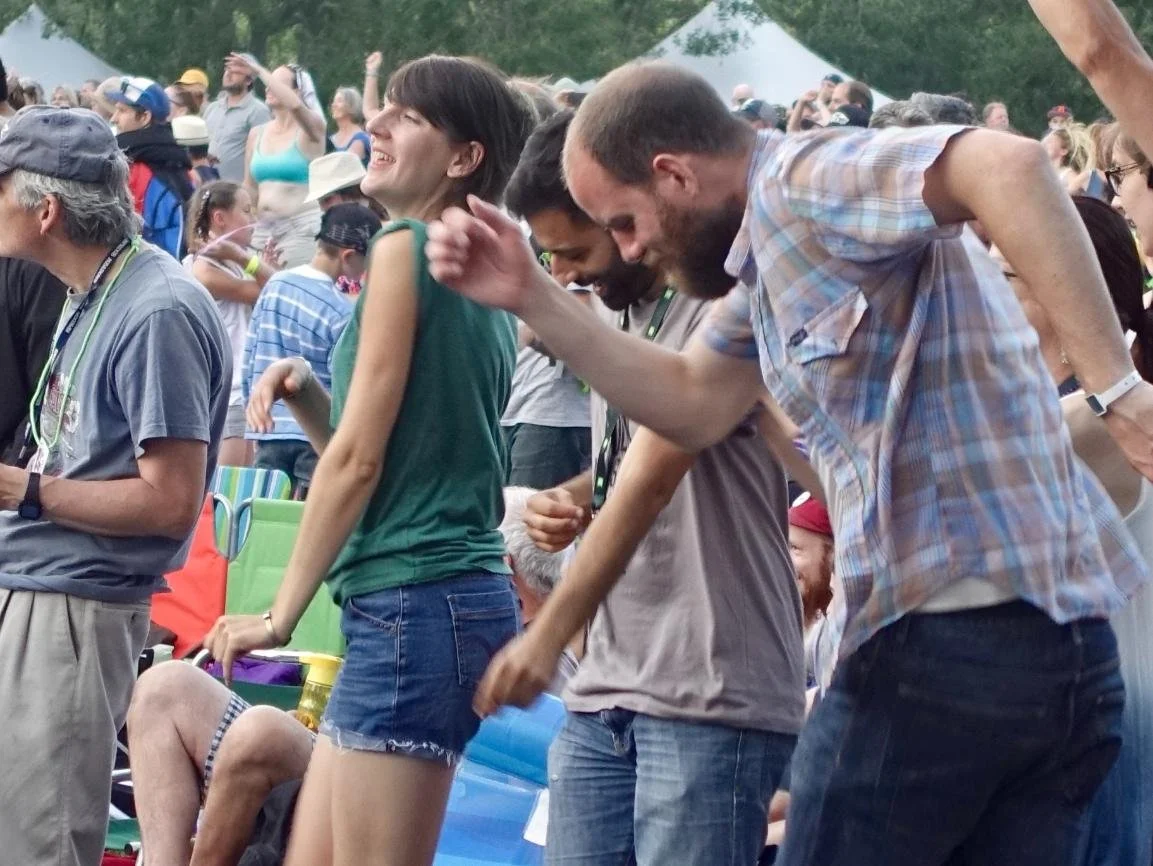
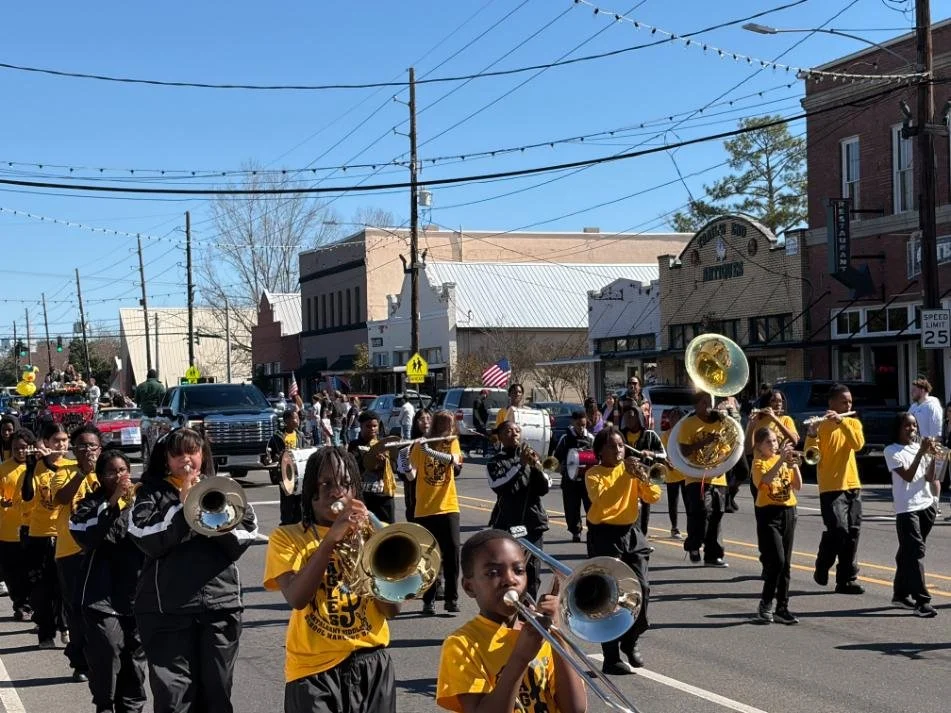
Who hasn’t watched people having fun and perhaps even joined in?
Who hasn’t looked out their hotel window to see what is happening on the street below?
Who hasn’t been woken in their hotel room by noises in the hallway or room next door and listen in?
Who hasn’t listened in on stranger’s conversations, when they probably shouldn’t?
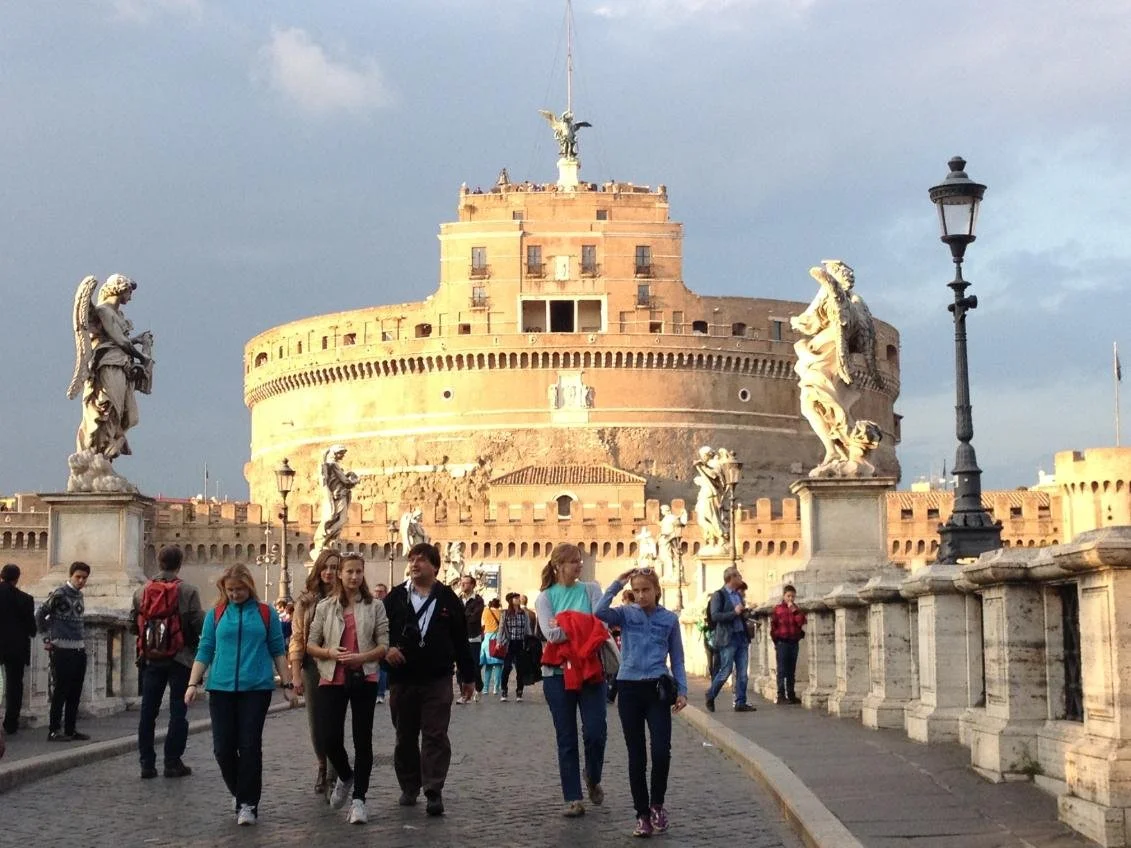
After all, isn’t travel all about the lust for new experiences?
Calgary’s Sense of Place
Ironically, around the same time as this book was published, I had coffee with Van Herk to talk about Calgary’s sense of place. While we shared our respective thoughts about what makes Calgary unique and what is its personality, she never mentioned she was completing a book that included some of her insights on Calgary. And ironically it took me 25 years to find the book in a thrift store.
Here are some samples:
“After all, who comes from Calgary? Who lives in such an impossible city, brash, arrogant, indelibly new? Only a few misbegotten cowboys and singers. Oil executive and escape artists. I Intended to write a fan letter to Jan Arden….
“Like a Brueghel painting. You see, that’s the difference between a place like Vienna and Calgary. Vienna was built on salt and music. And look at us, this city was built on oil and cattle and police, no romance in that origin.”
The Professional killer (who happens to be a Quaker from Winnipeg) says, “Calgary seems a cheerful friendly place.”
“Easterners claim that this city hasn’t grown organically, merely been uncharted, boxes coming out of boxes for a result that’s cold and repellent. But there are warm spaces here, if you know how to find them.”
“It’s a remorseless city, to adolescent to be compassionate.”
I enjoyed Van Herk’s statement, “Of course cities have personalities. They’re like people we live with, try to understand, fight, hold in our arms. People we miss desperately and then take for granted.”
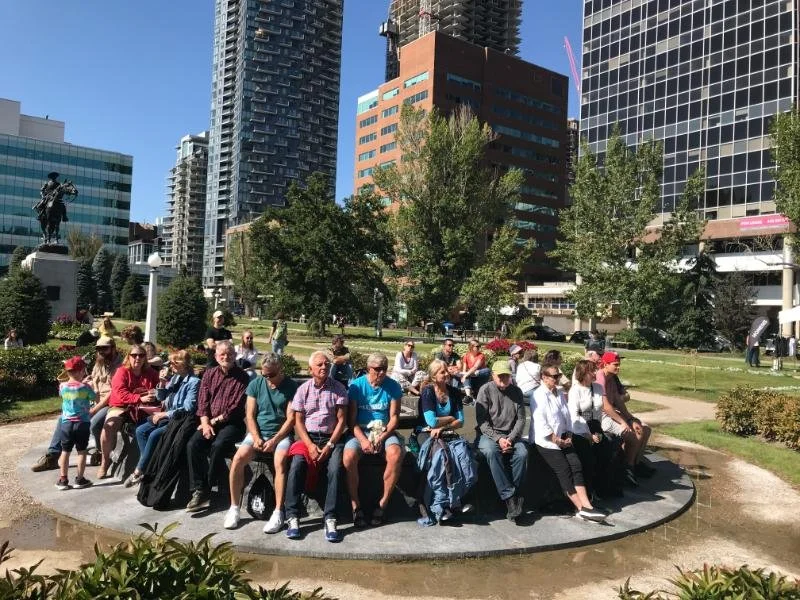
Tourist as terrorists
Van Herk also manages to fit in a few paragraphs about what she thinks about tourists and photography.
“I think the photographer had to take pleasure in the person or the landscape that she wants to capture. But when I take pleasure in a place, I don’t want to interrupt by stopping to take a picture.”
“Don’t be romantic. So only spies and those who document atrocities should use cameras?” says the killer. “Yes, in the hands of the ordinary person, they are an affront.
“Tourists are terrorists with cameras, while terrorists are tourists with guns? They both shoot what they can’t tame.” Later she goes on to say “You can’t photograph the taste of barbecued Jamaica jerk chicken. But you remember them, you don’t need a photograph to jog your sensory intelligence. Why are our eyes the only organ we don’t trust? Why do we need stacks of photo albums?”
I can only imagine what Van Herk thinks now of how travel and tourism have evolved over the past 25+ years!
Last Word
About a third of the way through the novel Van Herk says to the killer:
“The art of travel, its passion, is passe, which reduces travel to tourism, a destinational itinerary, an achievement list of geographies.” “Places on a trophy shelf?”
In the next section the killer says “…you think too much. Why not live in the moment, enjoy the air or the food or the museums wherever you go, and leave it at that?”
Hmmm….sounds like the killer was talking about me…I am guilty of focusing more on taking photos and sharing them, than I am living in the moment and leave it at that. But in my defense, I spend literally hours every week looking at my photos and reliving my travel experiences.
Van Herk 101
Aritha van Herk - novelist, essayist, critic, and self-declared cultural agitator - has spent five decades interrogating the intersections of gender, geography, and identity in Canadian literature.
A daughter of Dutch immigrants raised on an Alberta farm, she burst onto the literary scene at 24 with her award-winning debut novel Judith and never looked back. A Fellow of the Royal Society of Canada and longtime professor at the University of Calgary, van Herk writes fiction the way others write manifestos — with purpose, provocation, and Prairie grit.
Perhaps no other writer has done more to define Calgary's contradictory soul and Alberta's incorrigible spirit, giving voice to a region too often dismissed by the media and literary establishment as merely oil, cattle, and wide open sky.
